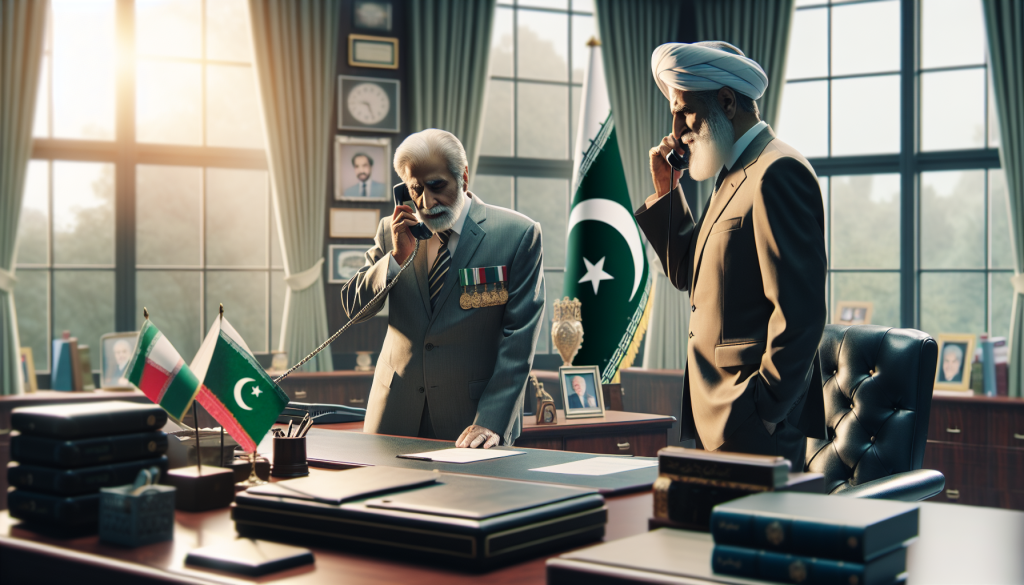
In a significant telephonic exchange on Monday, Prime Minister Shehbaz Sharif engaged in a detailed conversation with Iranian President Masoud Pezeshkian, emphasizing the urgent need for dialogue and diplomatic efforts to defuse rising tensions in the Gulf region. The discussion underscored Pakistan’s commitment to fostering peace and stability among neighboring countries, highlighting the importance of resolving disputes through peaceful means.
The Prime Minister took the opportunity to extend warm greetings on the occasion of Eid ul Fitr and Nowruz to President Pezeshkian and the people of Iran, reflecting the deep-rooted cultural and historical ties shared between the two nations. These sentiments were warmly reciprocated by the Iranian President, who also conveyed his heartfelt wishes for the prosperity and well-being of the Pakistani people.
Addressing the ongoing conflict, PM Shehbaz expressed Pakistan’s solidarity with the Iranian people, particularly acknowledging their resilience amid the current hostilities. He offered sincere condolences for the tragic loss of lives and prayed for the swift recovery of those injured and displaced by the violence. The prime minister voiced grave concern over the escalating hostilities in the Gulf, which have not only caused human suffering but also destabilized regional security and economic conditions.
Highlighting the critical situation, the Prime Minister stressed the necessity for collective action among neighboring countries to de-escalate tensions and return to constructive dialogue. He underscored that unity within the Muslim Ummah is more essential now than ever before, as regional conflicts threaten broader peace and stability. This call for solidarity and cooperation reflects Pakistan’s longstanding diplomatic approach aimed at promoting harmony in South Asia and the Middle East.
Furthermore, PM Shehbaz shared insights into Pakistan’s ongoing diplomatic outreach initiatives, assuring the Iranian leadership of Islamabad’s continued efforts to serve as a constructive mediator in the pursuit of regional peace. This commitment comes at a time when the Gulf crisis has severely disrupted global markets, driving up fuel prices and fueling inflationary pressures worldwide.
It is worth noting that the conflict, which began on February 28 following military actions by the United States and Israel against Iran, has resulted in over 2,000 casualties. The war has not only inflicted profound human costs but also sent shockwaves through international defense alliances and economic systems. Against this backdrop, Pakistan’s call for dialogue and peaceful resolution resonates as a vital voice advocating for stability and cooperation.