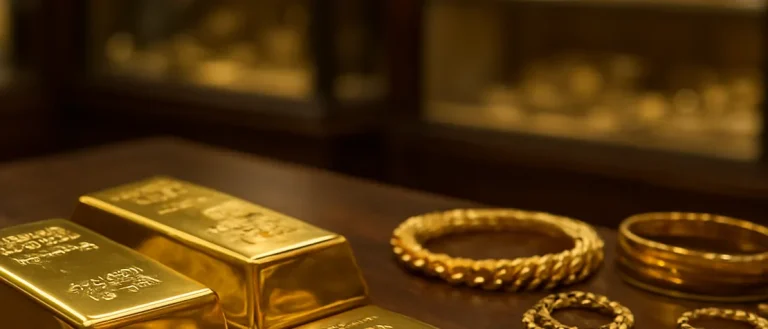


On August 20, 2026, gold prices in Pakistan saw a notable surge, marking a significant shift in the precious metals market. This increase reflects broader economic factors including currency fluctuations and global commodity trends that influence local demand. Investors often turn to gold as a safe haven during periods of economic uncertainty, which can drive prices upward. The sharp rise in gold prices may also impact consumer behavior, particularly in sectors like jewelry and investment holdings.
Meanwhile, the global gold market has been experiencing volatility due to geopolitical tensions and inflationary pressures, which often ripple into local markets such as Pakistan’s. The Pakistani rupee’s performance against the US dollar plays a crucial role in determining the domestic price of gold, as it is typically priced in dollars internationally. This interplay between international and local economic conditions contributes to the fluctuations seen in gold prices.
In a significant development for traders and consumers alike, the increase in gold prices could affect inflation rates and purchasing power within Pakistan. Gold remains a key asset for many Pakistani households, both culturally and economically, often serving as a store of value and a form of financial security. Monitoring these price movements is essential for policymakers and market participants to understand economic trends and prepare for potential impacts on the broader economy.