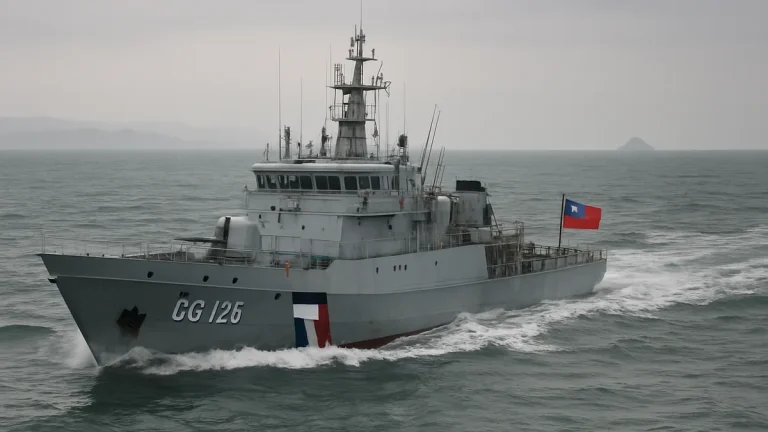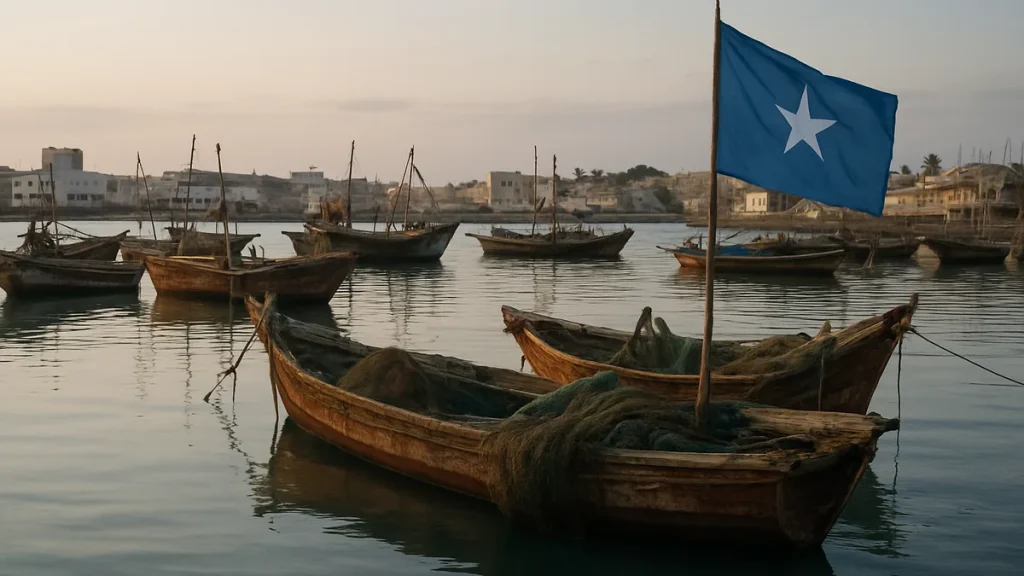

Fishermen in Bander Beyla, a town on Somalia’s Puntland coast, are finding that the renewed piracy crisis reaches well beyond hijackings and international naval operations. Fishing restrictions, arrests and constant surveillance are changing how residents earn a living and how they move through their days.
Piracy has risen sharply off Somalia since late April 2026, although the reported number of hijackings depends on whether counts include merchant ships, fishing boats and dhows. Several seized vessels have been held near Bander Beyla, placing the town’s fishing community directly in the middle of the crisis.
Shrinking catches push fishermen toward the sea
Abdifatah Mohamed, 35, has fished off the Somali coast for 20 years, beginning when he was 15. He said his catches have declined and that foreign trawlers make it harder each year to support his family, with lobsters becoming increasingly rare.
“Foreign trawlers are emptying out the seas,” Mohamed said. Somalia’s central government collapsed in 1991, weakening maritime oversight and leaving its waters open to illegal fishing. Some fishermen, angered by foreign vessels exploiting those resources, have turned to piracy.
Mohamed acknowledged that some people from his community have taken up arms at sea. He said, however, that he believes such activity is harming the town itself.
Sea ban and arrests deepen hardship in Bander Beyla
In late August, local authorities barred fishermen from going out to sea over concerns that pirates were disguising themselves as fishermen. Mohamed said the order was meant to remain in force for two months. He described families who depend on the catch as being punished for crimes they had nothing to do with.
For fishermen, Mohamed said, both obeying and defying the restrictions carry danger. He warned that officials could accuse anyone seen at sea of piracy or of carrying supplies to hijacked ships. Fishermen could also be arrested or harmed by international navies, mistaken for pirates and taken to jails in a foreign country, which he said has already happened to many men from the town.
Abdirizak Said, who has fished in Bander Beyla for 15 years, said the crackdown has added to residents’ hardship. He said dozens of people had been arrested, most after bringing food or khat to pirates while ships were anchored near the town. Local government also ordered businesses and shops not to sell anything to pirates, warning that those who did would be treated as pirates themselves.
Said also said some of the people involved in the hijackings come from Bander Beyla, meaning the town is now bearing the consequences of crimes committed partly by its own residents.
Clan networks, regional strain and ongoing surveillance
Jethro Norman, a senior researcher at the Danish Institute for International Studies (DIIS), said piracy cannot be understood solely as criminal activity at sea. He argued that it depends on land-based networks able to supply money, equipment, manpower and protection. Kinship ties, he said, can work as a form of financial and social infrastructure, and pirate groups have historically used them to raise credit and obtain resources.
Said said the impact reaches ordinary trade as well. Boats that once carried supplies from Yemen to Somalia have stopped arriving because of the attacks, he said.
Mohamed said some local young men armed with guns recently tried to head out to sea, but residents persuaded them not to, warning that it would harm the community even further. He said civilians, rather than the government, acted because they would be the ones to suffer if attacks were launched from the town.
Two local government officials, who spoke anonymously because they were not authorised to speak to the press, confirmed that the restrictions had been imposed to weaken local support networks for pirates. One said the restrictions were lifted on October 1 after anti-piracy operations led to the release of three ships. The International Maritime Organization confirmed on October 2 that three hijacked vessels, Honour 25, Seamull (also known as Sibu 1) and Eureka, had been freed. It said 44 seafarers were released and that five crew members died during the rescue operation involving Honour 25.
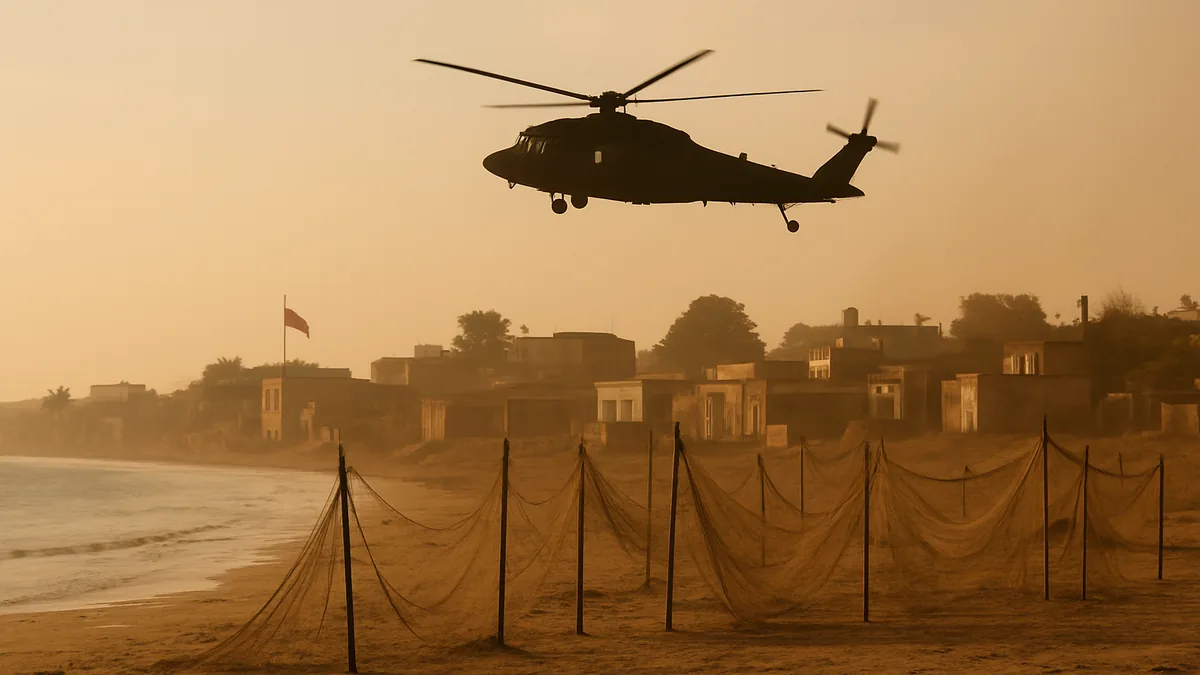
Even after the restrictions were lifted, officials said military helicopters flying inland from the sea routinely hover over the town, and the flights are more frequent over nearby remote coastal areas. Both officials said the helicopters belong to the European Union Naval Force, which has conducted counter-piracy operations in the region for years. One said the aircraft look for any movement of armed individuals along the coast.
Abdinur Abdella, a Somali political and security analyst, linked the situation to wider instability. He said international navies shifted their focus to the Houthi threat after Houthi attacks began in the Red Sea and Gulf of Aden in late 2023, which allowed armed groups on the Somali coast to exploit weaker security. Norman said Puntland’s maritime forces have also been stretched, fighting ISIS in the Al-Miskad mountains and losing personnel to the 2023 anti-Somaliland rebellion in Las Anod, where Dhulbahante fighters from Puntland’s forces joined the uprising.
For residents, Said said, the aircraft are a constant reminder that fishermen are still being watched. He said the sound of the planes tells people how close they are, and that he simply wants to earn a living without worrying whether he will return safely to shore.