
In the lead-up to the United States midterm elections, Iran has been emphasizing the economic consequences of the ongoing conflict initiated by the US and Israel against the country. Iranian officials and state-affiliated media have focused on the war’s detrimental effects on oil prices and the US economy, aiming their messages at the American public.
Mohammad Bagher Ghalibaf, Iran’s Parliament Speaker and chief negotiator, has actively addressed US officials, highlighting the rising costs and increased military spending linked to the conflict.
Iran’s messaging targets US economic concerns
Articles published by Iranian state-linked outlets stress the negative impact of the war on the US economy and oil markets. Ghalibaf has used social media to share news about rising inflation in the US, which hit 3.7 percent recently, alongside a collage of critical headlines about the American economy.
In one post, Ghalibaf included a comic strip from the Road Runner cartoon depicting Wile E Coyote’s failed catapult attempt, accompanied by a message directed at US Treasury Secretary Scott Bessent. He wrote, “Let’s ‘play the percentages’. Not in odds, but in the % increases,” referencing inflation and the rising cost of living despite Bessent’s previous remarks likening the economy to a casino.
Earlier, Ghalibaf shared an image of a ghost shaped like a bell curve, symbolizing rising diesel prices alongside falling housing affordability and consumer confidence.
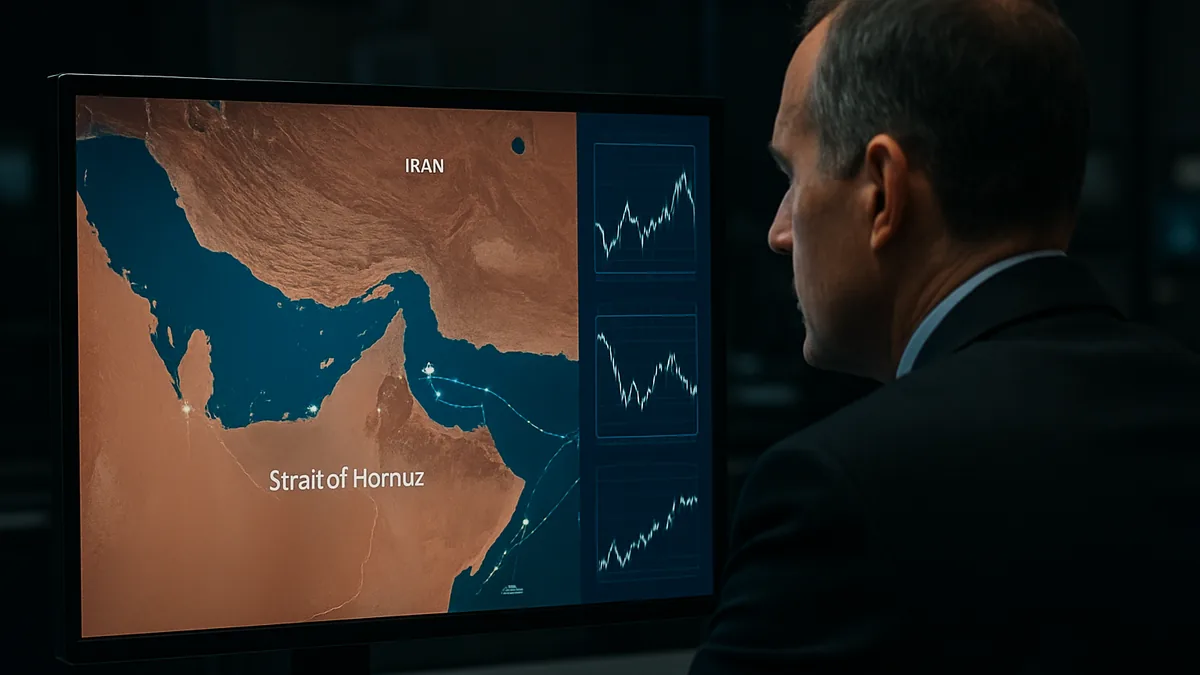
Economic impact of conflict on US energy prices
Since the war began on February 28, Iran has disrupted shipping through the Strait of Hormuz, causing energy prices to surge. The American Automobile Association reports that diesel prices in the US have reached a record $6.33 per gallon, while gasoline prices have climbed to $4.33, up from under $3 before the conflict.
Iran has escalated attacks on vessels near the strait recently, responding to US assertions of control over the waterway. The increase in energy costs has contributed to broader inflation, prompting the US Federal Reserve to raise interest rates last month, despite President Trump’s calls for rate cuts to stimulate the economy.
Iran’s Revolutionary Guard criticizes US leadership
On September 29, Iran’s Islamic Revolutionary Guard Corps (IRGC) issued a letter to the American public accusing President Trump of misleading statements about the war’s cost and the US economy’s condition. The IRGC dismissed Trump’s claims that oil prices would soon fall sharply.
The letter warned that global confidence in the US economy is waning, with demand for American bonds dropping and countries beginning to sell off their US bonds. It predicted that this could lead to an economic collapse causing prolonged hardship for Americans.
The IRGC urged Americans to reclaim control from corrupt politicians, stating, “Now is the time, as the American political system is at its weakest.”
Midterm elections and potential impact on US-Iran conflict
The US midterm elections are viewed as a critical moment in the conflict, not necessarily because of the election outcome but due to possible actions by President Trump afterward. Trump has indicated he might either negotiate a deal with Iran or escalate to full-scale war following the November 3 vote.
At the United Nations General Assembly last month, Trump downplayed the election’s influence on his Iran policy, saying, “They’re waiting to see how I do in the midterm election. What they don’t realise is that I’m not running.” He emphasized that preventing Iran from acquiring nuclear weapons remains his priority.
If the Democratic Party gains control of Congress, it could push to limit Trump’s ability to continue the war, including by withholding military funding. However, opinions within Iran differ on how a Democratic victory might affect US policy.
Sina Toossi, a senior non-resident fellow at the Center for International Policy, explained that Tehran aims to increase the political costs of the war for Trump by communicating directly with the American public. Toossi noted that Iran is not necessarily trying to influence which party gains power but is focused on raising the overall costs of the conflict.
He added that while some in Iran believe Democratic foreign policy hawks might limit change, others think a midterm defeat would weaken Trump politically and restrict his war powers. Toossi concluded that Iran’s strategy to increase the costs of war will persist regardless of the election results.