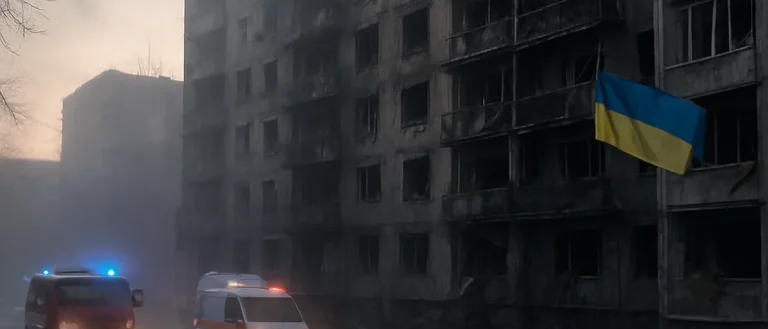

Ali is from Khiam, a Lebanese village on the border with Israel. For the past few months he has been living in a rented house in Hasbaiyya, roughly a half-hour drive to the northeast. He is one of tens of thousands of Lebanese who have been forced from their homes in villages across the south.
“Southerners are living a tragedy,” Ali said, declining to give his full name. “This is all from flawed tragedies and failed politics.”
Demolitions continue behind the Yellow Line
A framework agreement between Lebanon and Israel was signed in June, with the stated aim of bringing about a phased Israeli withdrawal from Lebanese territory. Israel has not left large parts of the south, however. In dozens of villages it has systematically knocked down homes and infrastructure.
Israel currently holds a zone reaching up to 10 kilometres (6.2 miles) into southern Lebanon. Behind the so-called “Yellow Line”, which marks the edge of that area, homes are still being blown up. Israel uses the same term for the areas it controls in Gaza.
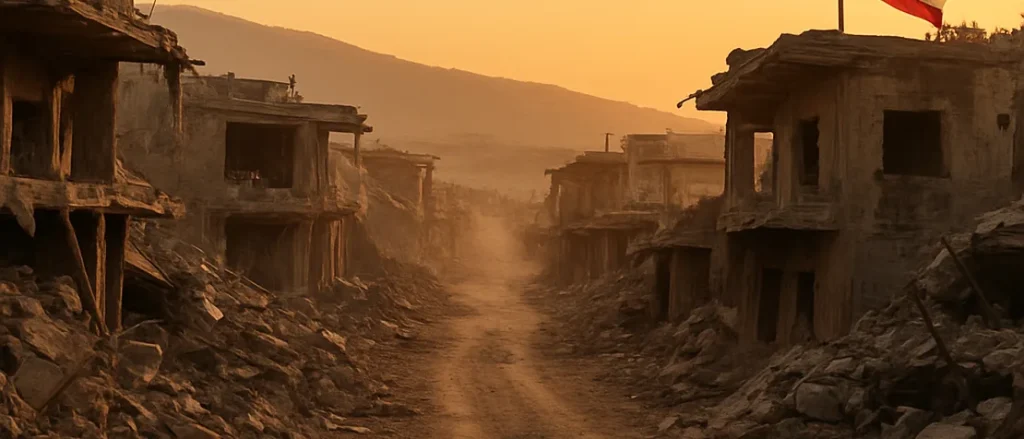
Mohamad Bazzi, a political analyst based in New York who originally comes from Bint Jbeil, said Israel’s main goals were to empty the frontline villages and towns and make them uninhabitable. He said satellite imagery showed this had already happened, describing it as an effort to apply the Gaza model to Lebanon. Around 50 frontline villages, including Khiam and Bint Jbeil, have been destroyed, according to the analyst.
Bazzi added that most of the destruction had taken place since April, even though several ceasefires had been announced. Ahmad Baydoun, a Lebanese architect and open-source researcher based in the Netherlands, said the line was being treated as a hard boundary, with the controlled demolition of villages continuing despite the ceasefire. “It is as if the ceasefire applies to the rest of Lebanon but not to this territory,” he said.
How the war and the framework deal led here
Hezbollah fired rockets at Israel on March 2, the first such attack in more than a year. The Iranian-backed group said it was responding to daily Israeli violations of the November 2024 ceasefire, and to the killing two days earlier of Iran’s Supreme Leader, Ayatollah Ali Khamenei, at the start of the US-Israeli war on Iran.
Israel responded by stepping up its war on Lebanon for the second time in under two years. Its strikes and its renewed invasion of the south displaced more than 1.2 million people. Beirut then entered US-brokered direct talks with Israel, despite objections from Hezbollah, which has been fighting Israel since October 2023 and traces its roots in the 1980s to resistance against Israeli occupation.
The talks produced the framework agreement, which created “pilot zones”. Under the plan, Israel would pull out of these areas and the Lebanese Armed Forces would take over, disarming any Hezbollah fighters present.
Israel’s Defence Minister, Israel Katz, has said his country’s troops will not leave Lebanon. That suggests an extended occupation, similar to the previous Israeli occupation, which lasted 22 years.
Limits on those who stayed and the Grey Line plan
On the northern side of the Yellow Line, some residents have gone back to villages that were badly damaged, including a few towns that were included in the pilot zone programme. Froun is one of them. Its municipal president, Hasan Bazzi, said the village had been hit by air and drone strikes, although Israeli troops did not enter it. “We were surprised that it was [included as a] pilot zone,” he said.
The Yellow Line is not the only military boundary drawn across Lebanon. The Blue Line was set up in 2000, after Israel’s years-long occupation of the south ended and its forces withdrew behind it. Israel is now discussing a “Grey Line”, which reports suggest could extend 4 kilometres (2.5 miles) into Lebanon. Land behind it would stay uninhabited and act as a buffer zone, with Lebanese civilians barred from rebuilding there.
Mohamad Bazzi said the multiple lines appeared designed to create confusion and obscure what he described as the depopulation of a large area of Lebanon. He argued that the lines were often shifting, and said Israel was illegally occupying and destroying part of southern Lebanon, while much of the world had remained silent. These are his assessments.
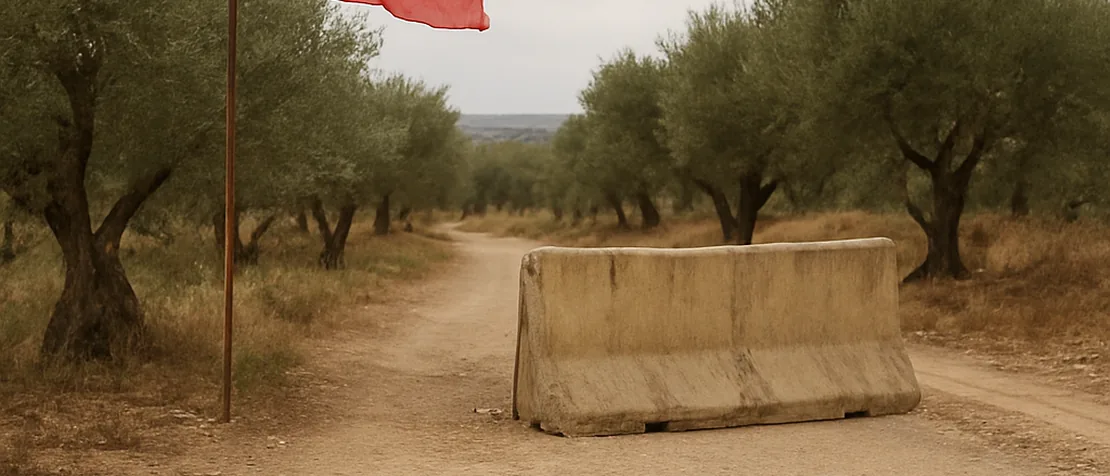
Some villagers remain inside the Israeli-held area, which analysts say reflects an attempt to exploit Lebanon’s sectarian divides. Most of the south’s population is Shia Muslim, yet officials from non-Shia areas said they had been warned against hosting displaced people. Baydoun said the villages Israel had allowed to stay were largely Christian and Sunni, but added that being permitted to remain did not mean living freely. He said municipal workers in Kfarchouba were abducted while pumping water and that the mayor was detained. In Deir Mimas, outside the Yellow Line, he said Israeli tanks had come to the village entrance when the Lebanese army set up a post to let farmers reach their olive groves.
Baydoun described the situation as the “West Bankification of those who remained”, a reference to Israel’s occupation of the West Bank. “Residents are permitted to exist on their land but not to use it freely,” he said. “Access to fields depends on checkpoints, coordination and the mood of a patrol.”
Uncertain prospects for return and rebuilding
Analysts believe the occupation of southern Lebanon could last well into the future. The Lebanese government has promised prefabricated homes in some areas, but may struggle to supply water, electricity and sewage services where infrastructure has been heavily damaged or wiped out.
Even if Israeli forces withdrew, large stretches of the border area lie in ruins, with dust, rubble and ash where homes and farmland once stood. Bazzi said some towns might be reclaimed with substantial work, but he did not think the roughly 50 frontline towns and villages could be made liveable in the short or medium term.
For many southerners, the situation remains painful. They are living elsewhere while their homes and land lie in ruins or under occupation. Ali summed up his fears for his home village: “Khiam is destroyed, there’s nothing, it’s uninhabitable for the next 10, 15, 20 years.” He added, “They returned us to the Stone Age.”