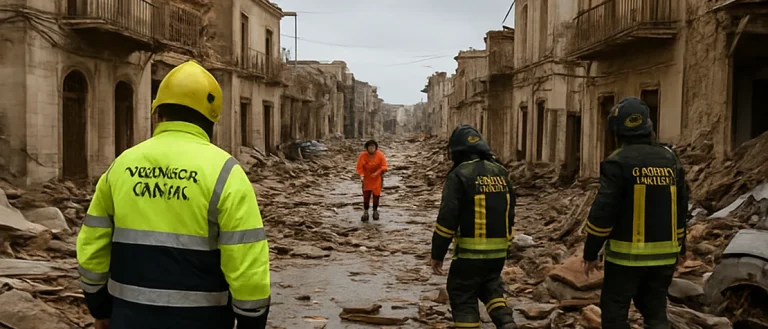
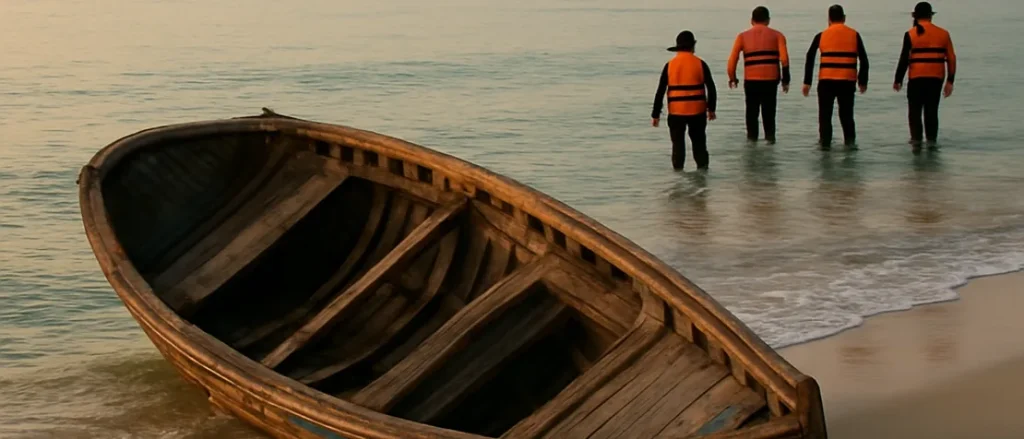

At least 109 migrants have died and about 116 others are missing after a boat sank off Djibouti during the night of 8-9 October, the UN migration agency said on Sunday. The International Organization for Migration (IOM) said the dead included 15 children.
Survivors told the agency that the vessel had 305 people on board and was travelling from Djibouti to Yemen when it overturned north of the town of Obock. More than 80 people survived, all of them Ethiopian nationals.
Rescue work and aid in Obock
Alexandre Coissac, the IOM’s chief of mission in Djibouti, described the loss of life as devastating and said his thoughts were with survivors and with families still waiting for news of relatives. He said IOM teams were working alongside Djiboutian authorities to deliver emergency assistance.
The agency said it was caring for 64 survivors at a migrant centre in Obock. Djiboutian authorities are continuing search and rescue operations, and concern is growing for those still unaccounted for. Among the 109 bodies recovered, the IOM said, were:
- 52 men
- 42 women
- 15 children, including nine girls and six boys
Why migrants keep taking the sea route to Yemen
Migrants on this route attempt to cross the Bab el-Mandeb Strait to Yemen and then continue to Gulf countries. The IOM said poverty, insecurity and the growing effects of climate change push many people to make the journey, even as instability across the Middle East deepens.
Yemen is affected by fighting between the Saudi-backed government and Houthi rebels, who are backed by Tehran and have joined the wider regional conflict involving the United States and its allies against Iran. The agency said 178,000 people arrived in Djibouti from Ethiopia between January and October this year.
In 2025, more than 900 people died or went missing on the sea route to Yemen, and the number attempting the crossing rose by 18 percent, the IOM said. A shipwreck in March 2026 killed nine people and left 45 missing.
Migrants stranded in Djibouti and calls for donor support
IOM spokesman Kennedy Omondi Okoth told a news agency this week that most people attempting the journey come from Ethiopia or Somalia. He said many of them end up stranded in Djibouti.
The IOM urged donors and partners to strengthen support for Djibouti’s response, including search and rescue efforts and life-saving assistance.