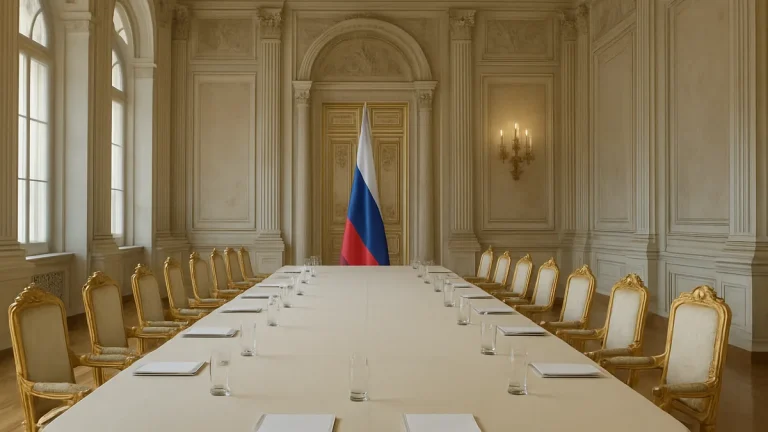
In a significant development, Russian President Vladimir Putin has issued a veiled warning directed at the United Kingdom, signaling Moscow’s intent to maintain an atmosphere of uncertainty regarding its true objectives. This tactic appears designed to keep British officials and intelligence agencies on edge, complicating their ability to anticipate Russia’s next moves. Such ambiguity serves as a strategic tool in Russia’s broader geopolitical playbook, especially amid ongoing tensions with Western powers.
Putin’s approach fits into a larger pattern of psychological and hybrid warfare that Russia has employed in recent years to destabilize and exert influence over Western countries. By fostering doubt and stress within the UK government, Moscow aims to weaken Western unity and resolve. This method of indirect confrontation allows Russia to avoid direct conflict while still advancing its interests and testing the limits of Western responses.
Meanwhile, the UK’s position as a key NATO member and its active role in opposing Russian policies make it a prime target for such strategic pressure. The veiled nature of the threat complicates diplomatic efforts and heightens security concerns, underscoring the ongoing challenges faced by Western nations in countering Russia’s multifaceted campaign. This development highlights the persistent and evolving nature of geopolitical tensions between Russia and the West.