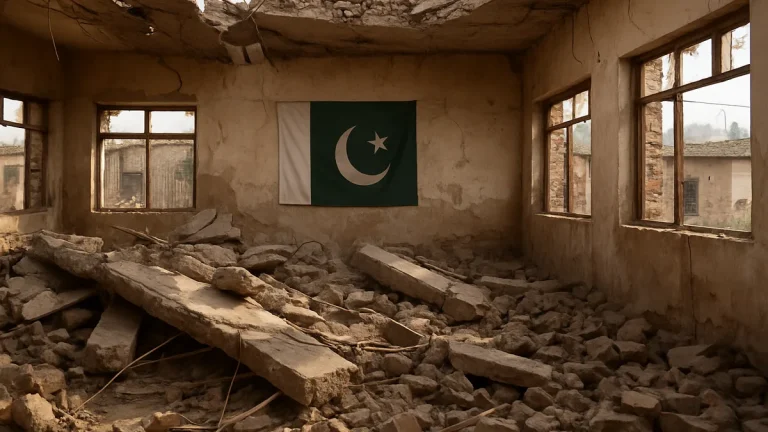
The Ken-Betwa river project, one of India’s largest dam initiatives, has led to the displacement of thousands of people. Despite existing legal frameworks designed to ensure fair compensation and rehabilitation, these protections are frequently overlooked, leaving many affected communities vulnerable. Women, in particular, bear the brunt of these shortcomings, as their specific needs and rights are often neglected in resettlement plans. This oversight exacerbates gender inequalities and deepens the socio-economic challenges faced by displaced families.
In a significant development, the project’s implementation has sparked widespread criticism from human rights advocates and environmentalists who highlight the failure to uphold legal commitments. The displacement caused by the dam not only disrupts livelihoods but also threatens cultural and social structures, especially for women who rely heavily on local resources for sustenance and economic activities. Meanwhile, the lack of adequate compensation and support mechanisms undermines the long-term well-being of these communities.
Notably, the Ken-Betwa dam’s impact extends beyond environmental concerns, raising urgent questions about governance and accountability in large infrastructure projects. The sidelining of women’s rights in compensation policies reflects broader systemic issues in development planning across India. Addressing these gaps is crucial to ensuring equitable and sustainable outcomes for all affected populations, particularly marginalized groups who are often excluded from decision-making processes.