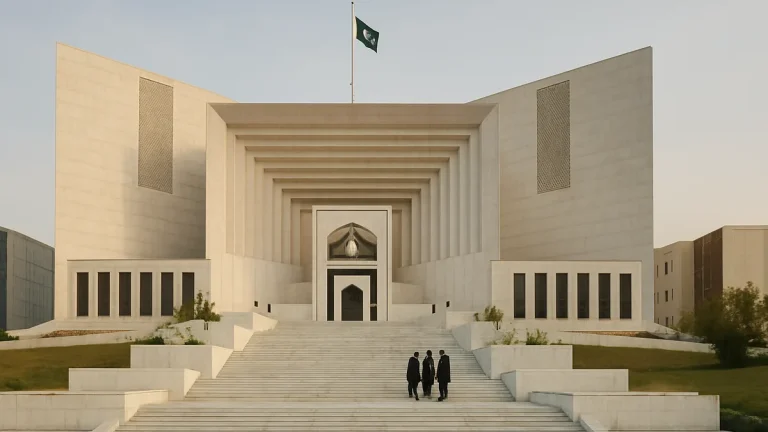
In a firm rebuttal issued on Monday, a senior security official from Pakistan dismissed circulating rumors suggesting that the country could soon become a target of coordinated military action by the United States and Israel. Labeling these claims as baseless and misleading, the official emphasized that such narratives were being spread by elements intent on sowing disorder and confusion within the region. This statement came amid heightened tensions in the Middle East, where recent US-Israeli strikes against Iran have escalated concerns about broader regional instability.
The official highlighted that Pakistan’s strategic position and international relationships set it apart from Iran, which has been the focus of recent military operations. Unlike Iran, Pakistan is deeply integrated into the global community and possesses significant capabilities to defend its sovereignty. This distinction, the official argued, invalidates any comparisons that suggest Pakistan might face similar military aggression. The official further criticized those promoting alarmist stories as pursuing hidden agendas that do not align with the realities on the ground.
These remarks coincided with a surge in conflict between the United States, Israel, and Iran. Over the past eight months, the US and Israeli forces have conducted multiple coordinated strikes targeting Iranian assets, prompting retaliatory attacks by Tehran on Israeli territories and US military bases in neighboring countries. Such developments have sparked widespread speculation about the possibility of the conflict expanding into other parts of the region, including Pakistan. Western think tanks and analysts have also explored scenarios involving nuclear-armed states like Pakistan potentially being drawn into the turmoil, further fueling public anxiety.
However, the Pakistani official was unequivocal in rejecting any parallels between Pakistan and Iran. He pointed out that the two countries differ significantly not only in military strength but also in their foreign policy approaches, international engagement, and internal political dynamics. Pakistan’s foreign policy is characterized by a pragmatic and balanced approach that seeks to maintain stable and constructive relations with a diverse range of global actors. This strategy aims to safeguard national interests while promoting regional peace and economic growth.
Expanding on Pakistan’s diplomatic posture, the official noted that the country values its partnerships with key international players and pursues a foreign policy grounded in mutual respect and trust. This approach, often described as hedging, involves carefully balancing ties with major powers such as the United States, Iran, and Saudi Arabia without aligning exclusively with any single bloc. Pakistan’s defense cooperation with Saudi Arabia, economic engagements with the US, and ongoing diplomatic relations with Iran—despite the latter’s often adversarial stance toward the West—illustrate this multi-vector strategy.
Ultimately, the official stressed that Pakistan’s foreign relations are designed to shield the nation from regional shocks and ensure continued economic stability, with a particular focus on securing energy resources vital for its development. By maintaining open channels of communication and fostering cooperation across various fronts, Pakistan aims to navigate the complex geopolitical landscape of South Asia and the Middle East without becoming embroiled in escalating conflicts. This stance reflects Islamabad’s commitment to peace, stability, and prosperity for its people amid uncertain times.