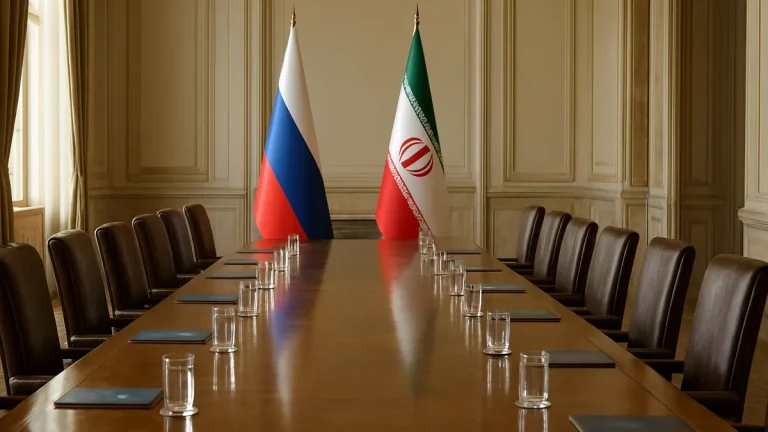

Israel’s opposition parties are taking a tougher stance on Iran than Prime Minister Netanyahu, as the country heads toward national elections on October 27. Iran remains a major campaign issue, and challengers present it as a clear example of what they describe as the government’s failures.
The debate traces back to the military assault on Iran that Israel carried out alongside the United States in February. Opposition parties backed the army and the bold move at the time. Hostility toward Tehran’s leadership is a point on which mainstream Zionist parties agree.
Opposition backed the February assault but not the June halt
The fighting ended abruptly in June, after US President Donald Trump announced that Iran and Israel had agreed to stop attacking each other. Netanyahu chose to abide by that announcement, a decision that was unpopular in Israel.
According to the Israel Democracy Institute, 65 to 70 percent of Jewish Israelis believe that halting the war did not serve the country’s national security interests. Opposition leaders have seized on that sentiment as they campaign.
Eisenkot and Lapid call for a harder approach
Gadi Eisenkot, the frontrunner, says the conflict is unfinished. He considers a change of government in Iran an unrealistic goal, but he accuses Netanyahu of doing little to dismantle Iran’s nuclear programme. At the launch of his new party, Yashar, in September, he told supporters that the programme had not been eliminated, noting that 440kg of highly enriched uranium remained in place and could quickly be turned into several nuclear devices.
Yair Lapid, a former prime minister who now leads the opposition in the Knesset, accuses Netanyahu of a strategic failure. He recently told the Atlantic Council that toppling the administration in Tehran is a realistic objective, one that would require a military escalation. Lapid called for strikes on all of Iran’s energy facilities, especially on Kharg Island, arguing that this would wreck the Iranian economy and force the regime’s collapse.
Bombing such civilian infrastructure was something Netanyahu had himself pushed for. However, an international outcry over such strikes, which could amount to war crimes, along with Trump’s refusal to offer backing, halted the plan.
Bennett’s regional agenda and fears of pre-election escalation
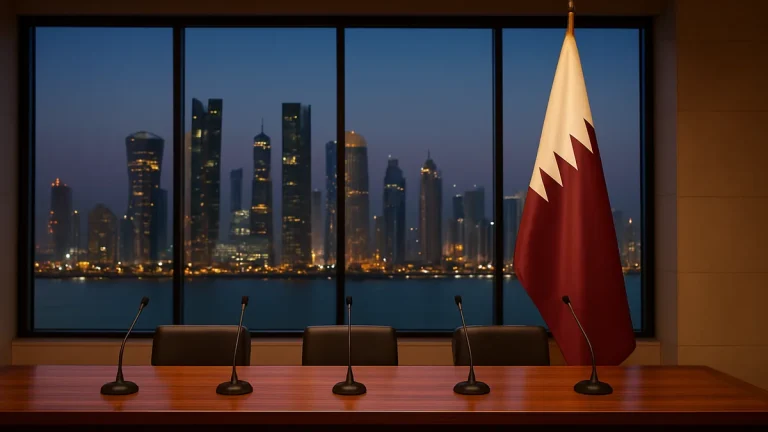
Naftali Bennett, another former prime minister, argues that Israel must maintain military dominance across the entire region. In his view, toppling and crushing the government in Tehran is essential, but not enough on its own. The right-wing politician labels Qatar an “enemy” and describes Turkiye as “the new Iran”, saying a military confrontation with the NATO member was inevitable.
Bennett recently told supporters that he would build an alliance of moderate forces in the region to confront Islamist and radical groups, including Iran, Qatar and Turkiye. He said Israel would take proactive steps to shape the region.
Eisenkot and other opposition leaders do not rule out renewed fighting. They say they have confidence in the military and security establishment to assess threats and respond appropriately. Still, opposition figures worry that Netanyahu could resort to military escalation before the vote to tilt the balance in his favour, or even disrupt the elections. The prime minister said last week that he did not plan to attack Iran before the vote.
Those concerns grew after Netanyahu posted a video from the Tel Nof Airbase warning that Israel’s enemies might strike before the elections. Other reports said he had shared intelligence about new Iranian threats with the US president. Opposition leaders quickly rebuked him, accusing him of “political fearmongering”. Lapid openly questioned the prime minister’s motives and accused him of using the military and its bases as “backdrops” for campaign videos.
Ultimately, most Israeli opposition parties and leaders are not against going to war with Iran, and many are even more hawkish than Netanyahu toward Tehran. Their objection is narrower: they do not want a new military escalation before the elections.