
Jordanians are increasingly worried that their border with Israel is becoming a major route for drug smuggling, as gangs turn to high-tech methods such as drones and helium-filled balloons. Organised networks based in southern Israel’s Negev Desert are reported to have links to groups in Jordan and the Sinai Peninsula in Egypt. Jordanian authorities are concerned about what this could mean for the kingdom, even though the border is one of the most heavily surveilled in the world.
The rise in activity coincides with changes in the wider regional drug trade. It follows the fall of Syrian President Bashar al-Assad in late 2024. Elements of his regime were linked to the production and distribution of Captagon, an illegal amphetamine stimulant. With Syria no longer serving as the main hub, the flow of drugs from Syria into Jordan has reportedly declined, and Jordanian security forces are now focusing more on the Israeli frontier.
Drones and balloons reshape smuggling along the Israeli frontier
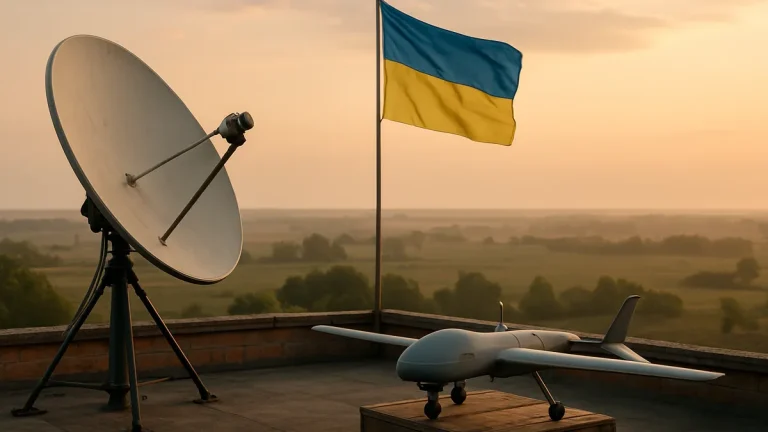
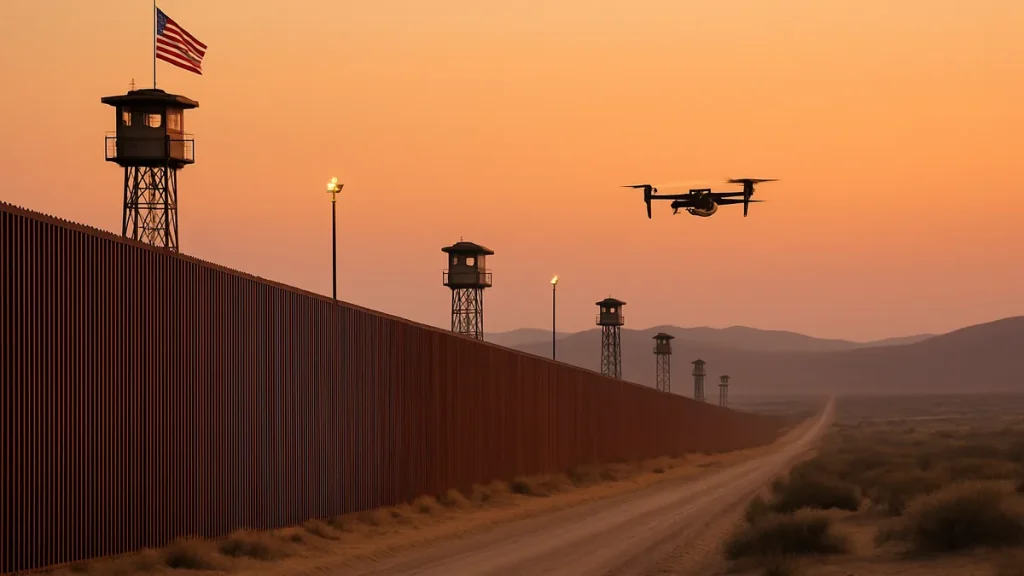
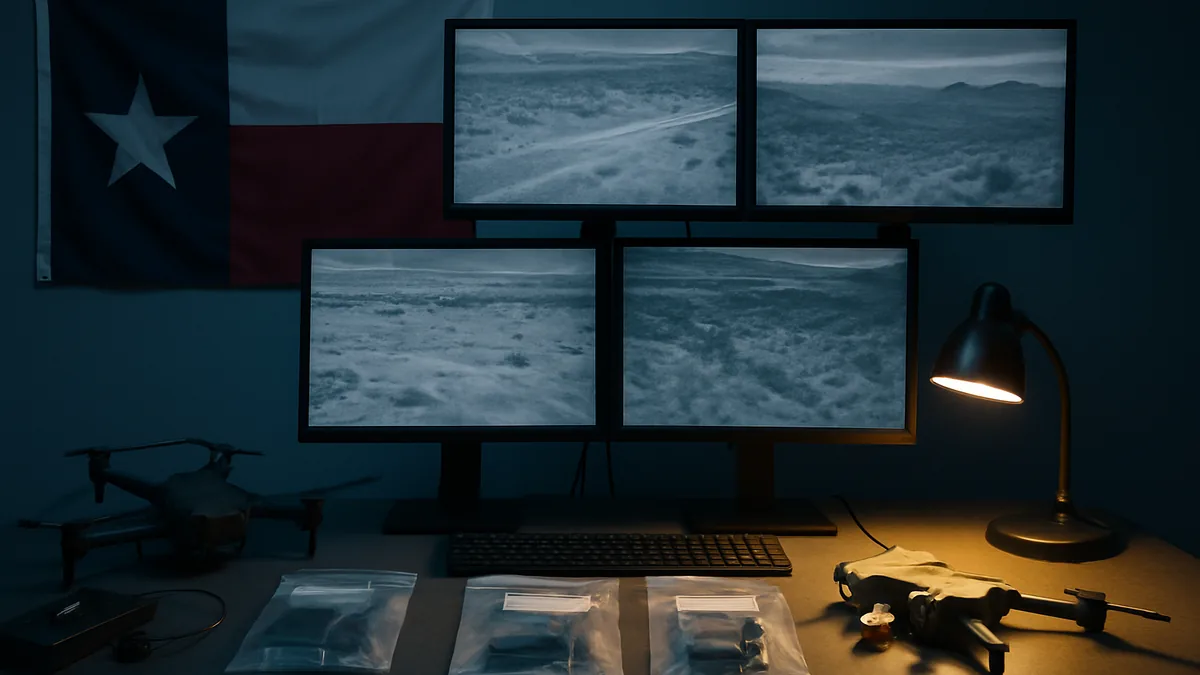
Reports indicate that gangs in Israel are using quadcopter drones and balloons to smuggle hashish, crystal meth and amphetamines into Jordan. Drugs can fetch higher prices in Jordan, and Israeli media reports say gangs active in the Negev are behind some of these operations. Israeli security services believe the price of hashish in Jordan is about 15 times higher than in Israel.
A British newspaper, which recently looked into the smugglers’ latest operations, estimated that 1kg of hashish can sell for approximately 7,500 pounds sterling, or almost $10,000. Ammar al-Qudah, a member of the Jordanian Senate and a retired major-general in the Public Security Directorate, said organised gangs in the Negev had obtained more than 1,000 drones. He said these were originally used for agricultural and security purposes.
Al-Qudah described the technology in detail. According to him, the gangs use helium-filled balloons fitted with GPS devices, as well as drones capable of carrying about 50kg of narcotics, including black hashish and crystal meth. He also described the routes, saying smugglers begin in Sinai, pass through the Negev and reach Wadi Araba, with other routes running via the Lebanese border and the Galilee region towards Syria.
Interception data and seizure figures from Jordan
Initial data from Jordanian forces shows the scale of the problem during the first half of 2026. The figures cover the southwestern border area with Israel and other borders:
- 17 interception operations linked to drones in Jordan’s southwestern border area with Israel
- 231 smuggling and infiltration attempts recorded across various borders
- 56 drones downed across various borders
Interior Minister Mazen al-Faraya said Jordanian forces were continuing their efforts to stop drugs entering the kingdom. He acknowledged that they were facing increasingly complex activity by drug dealers. “There is an increase in drug smuggling operations from Israel to Jordan using drones,” he said. He added that the number of seized drug cases in the current year had reached 15,342.
According to al-Faraya, trafficking cases made up about 28 percent of those seizures, while cases involving drug use accounted for 72 percent. Jordan’s counternarcotics department, working with the armed forces, has tracked such cases and made arrests, the source said. Jordanian security forces are reported to be growing increasingly frustrated with the scale of the operations. They have accused the Israeli army of not taking the problem seriously.
Questions over possible Israeli military complicity
Some observers have raised concerns about whether members of Israeli forces know about the gangs’ activities. The source points to past cases in Egypt as a reason for these suspicions. One West Point report said current and former trackers in the Israeli military in the Negev were being recruited by traffickers to provide intelligence for operations in Egypt. In 2012, a number of Israeli service personnel were arrested on suspicion of collaborating with drug smugglers across the Egyptian border.
The source stresses that there is no proof the same situation is occurring in Jordan. Many people have nonetheless asked how drones and balloons carrying drugs could cross a heavily guarded Israeli border into Jordan undetected. Daifallah al-Daboubi, a retired brigadier-general and strategic and military expert, described what he called a “reverse drug migration” moving from Sinai through the Negev and into the kingdom. He said groups in Beersheba and the Negev had significant financial resources and used advanced methods, especially drones.
Al-Daboubi argued that the Israeli army’s focus on wars in Gaza, Lebanon and the occupied Golan Heights had given smugglers room to operate on the Jordanian border. He ruled out any direct involvement by Israel’s political or military leadership in drug smuggling. Israel has taken steps to strengthen security on its eastern frontier, including setting up the 96th Division, which began operating in the Jordan Valley in 2025, and building a controversial security barrier with Jordan. The source suggests, however, that these measures appear aimed at stopping weapons and other illicit goods entering Israel from Jordan, rather than preventing drugs from leaving Israel.