
Homemade synthetic drugs are spreading across the United States, and officials and recovery workers say they are making an already severe overdose crisis harder to control. A reporter spent several days in Columbus, Ohio, and later in Chicago, Illinois, watching how the drugs are being used and sold. The reporting found that users often do not know what they are taking, and that the mixtures can be far more dangerous than the drugs they were meant to be.
In Columbus, a 48-year-old army veteran known as Mike showed how the drugs are used on the streets of the Linden neighbourhood. He said a small hit of fentanyl, which cost three or four dollars, could make a user do almost anything. Fentanyl is entirely man-made and is 50 to 100 times more powerful than heroin, according to the report, and it is now often cut with synthetic tranquillisers that make reviving overdose victims more difficult.
Columbus users face mixed and unknown drugs
The reporter said naloxone, sold under the brand name Narcan, has been widely adopted and has transformed the number of fatal overdoses in the United States. A nasal spray, it immediately reverses opioid overdoses. The report said that at its peak in 2022, around 110,000 Americans were dying from overdoses, mostly from opioids, and that the number had fallen to around 70,000 last year. It added that this decline did not mean the opioid crisis was over.
Mike said his drugs had been mixed with xylazine and a second substance that is harder to pronounce. The report identified that second substance as medetomidine. Both are synthetic animal tranquillisers, and one recovery expert described them as large animal tranquillisers. The report said they prolong the high from fentanyl, but they also slow breathing, and naloxone does not work against them. Xylazine can also cause necrotic skin ulcers, which can be deep and difficult to treat.
At a weekly meeting of the Hope Dealer Community, a recovery group that meets at Glenwood Church, members shared their experiences of overdose and addiction. One man described being revived after an overdose in July 2022, when paramedics gave him naloxone three times without success before one of them insisted on a final attempt. Another attendee, Tonya, said her nephew died of an overdose while she was overdosing at the same time on crack cocaine, which had been spiked with fentanyl.
Scott Sanders, 65, runs Hope Dealers and has been sober for almost 10 years. He told the reporter that in the previous 12 months in Franklin County, which includes Columbus, 78% of fatal overdoses involved stimulants. He said people buying crack often believed they were getting only crack, when in fact it was frequently mixed with fentanyl or other opioid cocktails. He added that overdose deaths among Black men in Ohio were increasing.
Drug sampling reveals mixtures in Ohio
Hope Dealers works with the Centers for Disease Control and Prevention on a drug sampling programme. Participants bring needles or pipes to be swabbed, and the samples are sent to the agency’s laboratory in North Carolina. One of the drug kits Mike brought in tested positive for medetomidine, which supported his own view that he had not been using only fentanyl.
Sanders said the drug supply in 2026 was no longer simply cut with other substances. He described drugs being mixed with fentanyl, methamphetamine and other chemical adulterants that he said were made in basements. The reporter also said that basement-made synthetic drugs had caused a sharp rise in overdose deaths in Illinois.
Chicago dealer and jail drug smuggling
In Chicago, the reporter met a dealer who said he works for Mexican cartels selling fentanyl. The dealer agreed to speak only if his identity was hidden. Asked about his role in the opioid crisis, which the report said kills around 50,000 people each year, he said he knew it was wrong but argued that the end justified the means. He said his supply chain remained as strong as ever despite US efforts to label the cartels as terrorist groups and fentanyl as a weapon of mass destruction.
The dealer also said that the targeting of boats carrying suspected traffickers by the Trump administration had not stopped his product from getting through from Mexico. He described the trade as one that adapts to pressure. He said that what had changed most in his business was synthetics, and that their potential had not yet been seen.
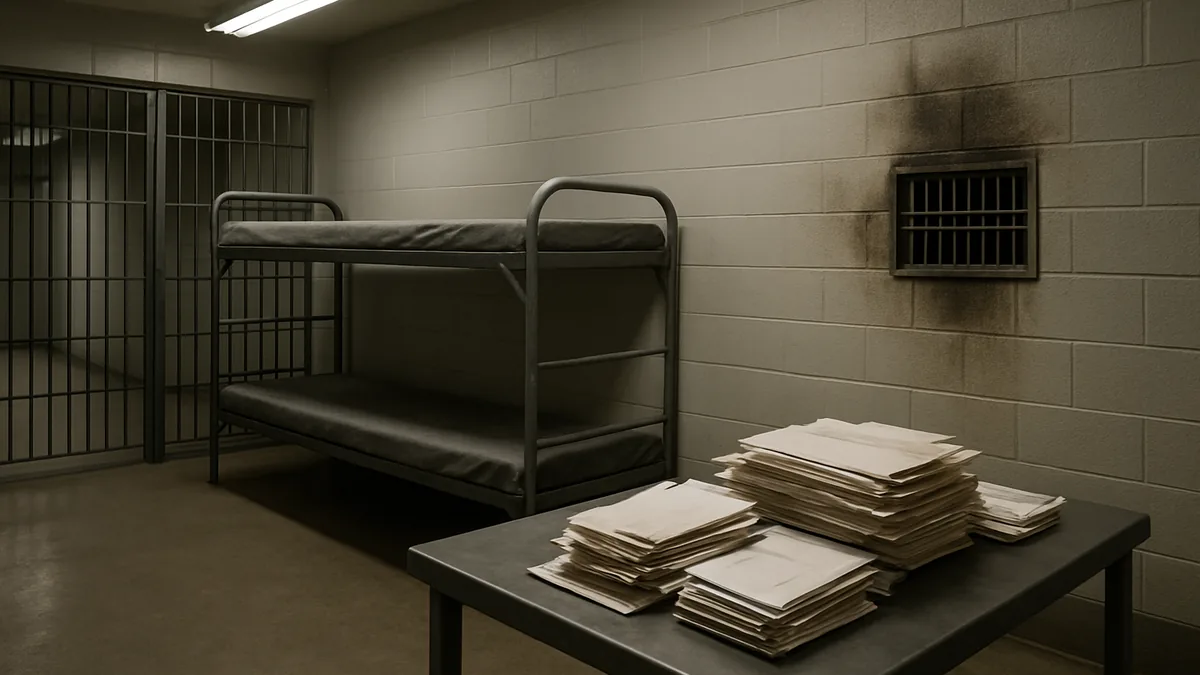
Cook County Jail, one of the largest jails in America, faced a different problem. Traditional drugs were usually smuggled in through body cavities, so the jail had installed body scanners of the kind used at airports. Sheriff Tom Dart, who runs the jail, said that in 2023 overdose deaths spiked, and that paper was found burning around people who had died or been revived. He described the method as completely new to the jail.
The report said the jail typically records one or two overdose deaths a year, but in 2023 it lost eight inmates to fatal seizures. Drugs were being mailed in soaked into the pages of books and letters, then lit and inhaled. Sheriff Dart described the drugs as cannabinoids soaked into paper, which were set alight and inhaled to get high. The report said cannabinoids, sometimes known as K2, are an entirely synthetic version of a cannabis plant extract, and that they were blamed for the fatal seizures.
Jail raid and tighter mail checks
The reporter joined corrections officers on an early morning raid on the jail’s high security D block in August. Around two dozen officers searched the cells, focusing on books and letters. The reporter said burn marks on vents showed where inmates had used smouldering tapers to ignite drug-soaked paper. Every piece of mail entering the jail is now scanned for moisture, and between a quarter and a fifth of packages and letters test positive and are rejected.
On the streets of Chicago, the reporter said, the effects of synthetic drugs were visible in the west of the city. In the Oak Park neighbourhood, a vending machine at the metro station dispenses naloxone for free. Karen Bell, 40, a recovery worker with the group Liv4Lali, treats wounds on people who use these drugs. She has been free from hard drugs for 17 years after a period of heroin use. She said the drugs now were “way more dangerous” because buyers often do not know what they are getting.
Sheriff Dart, who has led the jail for 20 years, said the broader fight against drugs was not succeeding. “I don’t think there’s anybody involved with it who would sit there and say it’s a raging success. It’s not,” he said. He said synthetics were now the new problem for law enforcement.