
An investigation has identified 254 incidents in which the Israeli military was accused of killing or injuring people in Gaza, Lebanon, the occupied West Bank and Israel, and which the military said it was examining, but for which no public outcome has been published.
The investigation used purpose-built AI tools to search more than 60,000 news reports, then examined hundreds of incidents in which the Israel Defense Forces (IDF) faced allegations of harm since the start of the Gaza war. After manually checking each case, it found 300 incidents that the military said it was looking into. Only 28 of them had outcomes published on the IDF website, and for 18 more it was unclear whether an investigation had concluded.
Hundreds of IDF probes have no published result
The investigation contacted the IDF about each case several times but received information on only two incidents, which the military said remain under review. In a statement, the IDF said it treats every allegation or report that raises concerns about conduct inconsistent with the law or its directives with the utmost seriousness.
The International Committee of the Red Cross (ICRC), which works in conflict zones to uphold the Geneva Conventions, publishes guidelines saying that investigations into potential violations of international humanitarian law should be as transparent as possible, whether they are criminal or not.
Of the 254 incidents, 158 occurred in Gaza, 48 in the West Bank and 32 in Lebanon, while 16 took place in Israel or in IDF detention. All of them happened between 7 October 2023 and 19 August 2026, and at least one person was reportedly killed in more than 200 of them. Some date back to late 2023.
For three years, the military has typically responded to allegations of harm by saying an incident is being “looked into”, “reviewed”, “checked” or “examined”. Often, the investigation found, that is the last public word on a case.
Deadliest Gaza school strike remains under review
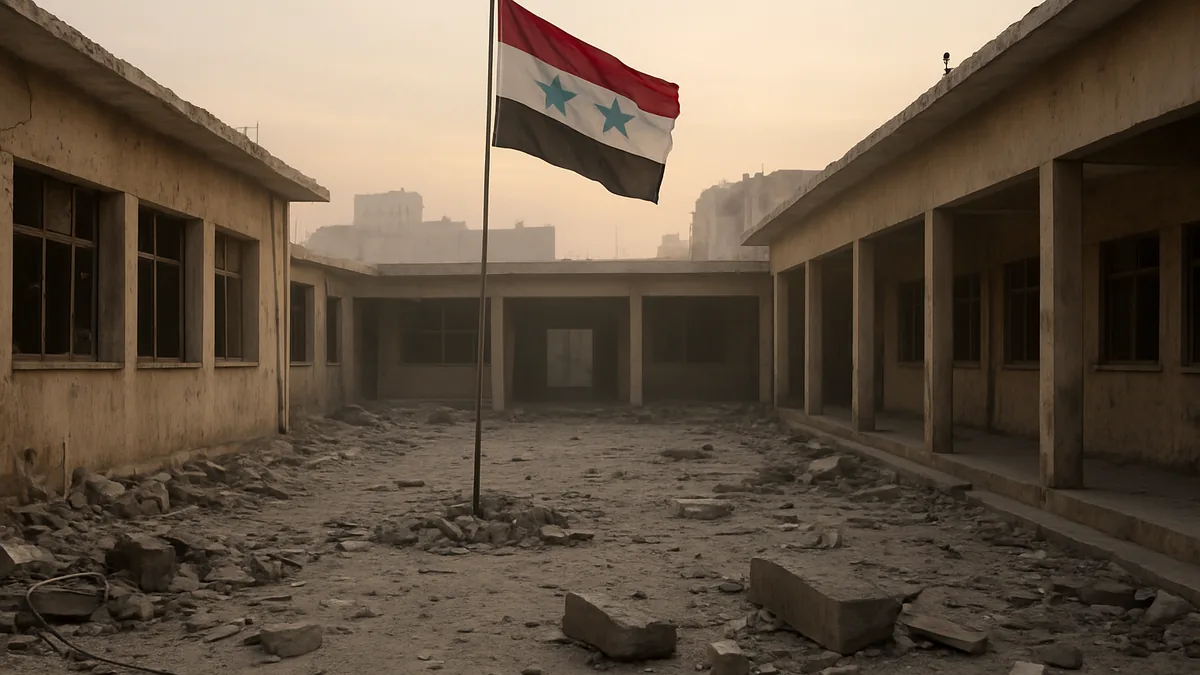
One of the deadliest cases is an August 2024 strike on a school building in Gaza, in which the Hamas-run civil defence agency said at least 93 people, including six women and 11 children, were killed. The strike hit the Tabaeen school complex and a nearby mosque, which were sheltering displaced Palestinians, as dawn prayers were under way.
Experts consulted by the investigation said munition fragments visible at the scene matched those of a GBU-39, a precision-guided bomb supplied by the United States to the Israeli military. At the time, the IDF said a Hamas command and control centre had been embedded in the school and that its soldiers had killed 31 fighters. The military also said that, according to an initial review, the casualty figures did not match its own information, and it told the investigation the incident remains under review.
The investigation noted that the IDF does not routinely publish the results of its inquiries, including those that lead to criminal investigations of soldiers. In August, the military released a rare report on internal probes into five Gaza incidents. Two of them, the killings of five-year-old Hind Rajab and of 15 Palestinian Red Crescent emergency workers, had been escalated to criminal investigations. For three others, including the killing of seven aid workers from World Central Kitchen and four Médecins Sans Frontières workers, the IDF said it had found no basis for a criminal probe.
According to Freedom of Information data obtained by the Israeli rights group Yesh Din, at least 1,456 Gaza-related incidents were referred to the IDF’s fact-finding mechanism between October 2023 and August 2024. Twelve reviews were completed and passed to the Military Advocate General Corps, and two of those led to criminal investigations.
Church killings and West Bank cases still unresolved
In December 2023, two women were killed by Israeli troops inside the Holy Family church in Gaza, the only Catholic church in the territory. According to the Latin Patriarchate of Jerusalem, a mother, Nahida Anton, and her daughter, Samar Anton, were killed by sniper fire on the church grounds. At the time, the IDF said an initial review suggested troops had been operating against a Hamas threat “in the area of the church”. In September 2025, the military told the investigation the case was still being reviewed, and it has now said again that the incident is under review.
In the West Bank, the investigation examined more than 50 IDF inquiries, at least 26 of which involved women and children being killed or injured. One case is the September 2024 killing of 16-year-old Lujain Musleh near Jenin, which Israeli forces reportedly carried out during an operation. Her father said she was shot in the head while looking out of a window at their house in Kafr Dan, after soldiers had surrounded a neighbouring home. The military said at the time that armed fighters had fired on its soldiers, who “fired back at a suspect who observed” them, and that the details were under review. The investigation also found nearly 40 IDF inquiries into incidents of harm in Lebanon.
The IDF has told the investigation that complex incidents can take considerable time to examine, and that it does not shorten or skip investigative procedures to meet outside deadlines. Experts, however, have pressed for faster and more open processes. Janina Dill, a professor of international law at the University of Oxford, said the Geneva Conventions place a responsibility on parties to an armed conflict to “investigate and potentially prosecute its own”, and that ICRC-endorsed guidelines stress promptness, thoroughness and impartiality. Dan Owen of Yesh Din said he believed the IDF often tries to “prolong” investigations until people lose interest. Eran Shamir-Borer, a former top lawyer for the IDF, acknowledged “genuine challenges” in collecting evidence in hostile combat zones, but said Israel would benefit from being more forthcoming about its investigations.