
The United States military has reportedly drawn up plans that could involve its largest non-nuclear, air-dropped bomb against Iranian energy infrastructure and nuclear sites. The options would be used if President Donald Trump orders a return to combat operations, according to a report on Thursday that cited US officials familiar with military planning.
The report said the options included the GBU-43/B Massive Ordnance Air Blast, known popularly as the “mother of all bombs”. Officials familiar with the discussions questioned whether the weapon would help Washington reach its strategic goals, and no decision to deploy it had been reported. The news agency Reuters said it could not immediately verify the report. The developments came as Iran’s parliament speaker, Mohammad Bagher Ghalibaf, said the United States must face consequences and make concessions.
Ghalibaf says deterrence and talks must work together
In a televised interview on Wednesday evening, Ghalibaf described military action and negotiations as two tools of deterrence. He argued that Iran needed enough military strength to prevent further attacks on the country.
Ghalibaf accused Washington of violating the Islamabad Agreement, according to Iranian media. He said that even a signed commitment would not by itself prevent another US attack on Iran. Tehran’s aim, he said, was neither an endless war nor permanent talks, but to force the other side either to accept Iran’s demands or to admit defeat and make concessions.
Drawing on the lessons of Iran’s eight-year war with Iraq, Ghalibaf said the country had learned the value of building capabilities that can deter future attacks. He pointed to Iran’s firepower, offensive abilities and air defences, along with its regional allies, its position overlooking the Strait of Hormuz, national unity and economic resilience. He also said military gains should be turned into political and legal gains through diplomacy, while talks should allow Iran to strengthen its capabilities and protect its interests.
Iranian media reports of his remarks underlined Tehran’s position that diplomacy alone would not deliver adequate security without military and economic leverage.

Two vessels sink near the Strait of Hormuz
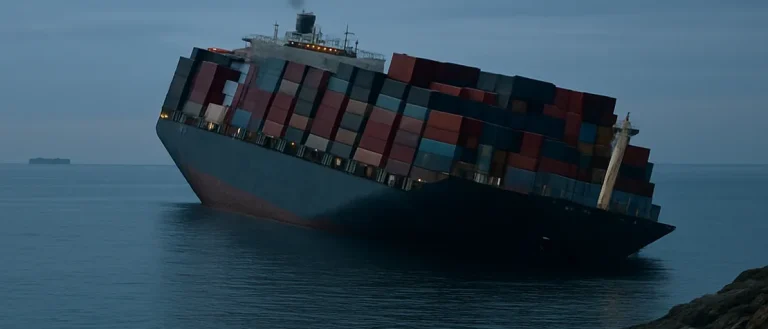
The diplomatic standoff has coincided with growing risks to commercial shipping in and around the Strait of Hormuz. The Singapore-flagged container ship GFS Pride sank after being damaged and catching fire while transiting the strait, Singapore’s Maritime and Port Authority said on Wednesday. All 21 crew members were evacuated safely, and no injuries were reported.
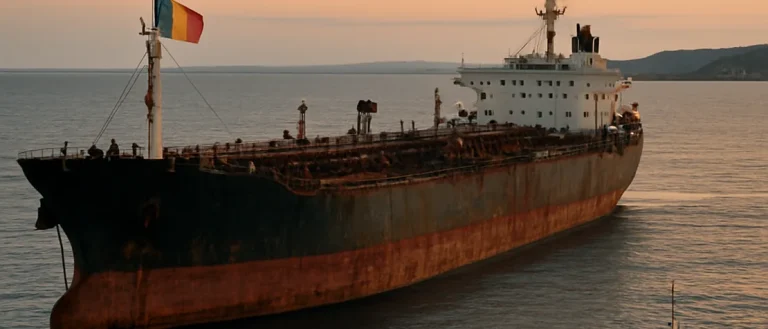
In a separate incident, the Antigua and Barbuda-flagged dry bulk carrier Cape Dao also sank near the strait. It had been hit by a projectile on September 23, weeks before it went down, according to data from the International Maritime Organization and maritime sources cited by Reuters. One crew member was killed, and the rest were evacuated after the strike.
Based on the IMO casualty data, Reuters said the two sinkings were the second and third vessel losses since the US-Iran war began on February 28. Singapore’s maritime authority condemned the attacks on commercial shipping as unjustifiable and a breach of international law. The maritime risk management firm MARISKS warned that the danger is no longer limited to oil tankers, as container ships and bulk carriers are also suffering serious damage.
The strait normally carries about a fifth of global oil and liquefied natural gas trade, a flow that has been placed under strain by the escalating attacks.
Blockade, dhow strike and Iran’s pressure on shipping
Iran has tried to tighten its control over the Strait of Hormuz since US and Israeli strikes began on February 28, limiting maritime traffic to gain leverage over Washington. Two senior Iranian officials told Reuters that Tehran was adopting new tactics against vessels passing through the waterway. They said the aim was to keep up pressure on the United States, including by keeping oil prices high and influencing the US midterm elections.
The United States has maintained a naval blockade of Iranian ports and tightened sanctions. Tehran says those steps have contributed to the escalation.
The confrontation has also reached the Gulf of Oman. The US military said on Wednesday that it had destroyed an Iranian-affiliated dhow on October 6, alleging that the vessel was carrying out surveillance and targeting US Navy ships. US Central Command said the crew had been removed safely before the vessel was destroyed, and that efforts to repatriate them were continuing. The military gave no further details in its statement.
The announcement followed an earlier incident, reported by Reuters on October 11, in which the US military said it had disabled a commercial cargo vessel that was trying to breach its blockade of Iran.
Escalation clouds the prospects for diplomacy
The reported bomb planning, Ghalibaf’s demand for concessions and the latest shipping losses point to a widening confrontation in which military pressure and negotiations are closely linked. For Tehran, Ghalibaf’s stated strategy is to use military readiness and its regional position to strengthen its hand at the negotiating table.
Washington’s reported planning suggests that further strike options remain under consideration should Trump decide to resume combat. It remains unclear whether the competing strategies will create room for a diplomatic settlement or push the conflict into a new phase of escalation.
The Strait of Hormuz, a critical route for global energy supplies, remains one of the most vulnerable flashpoints in the dispute.