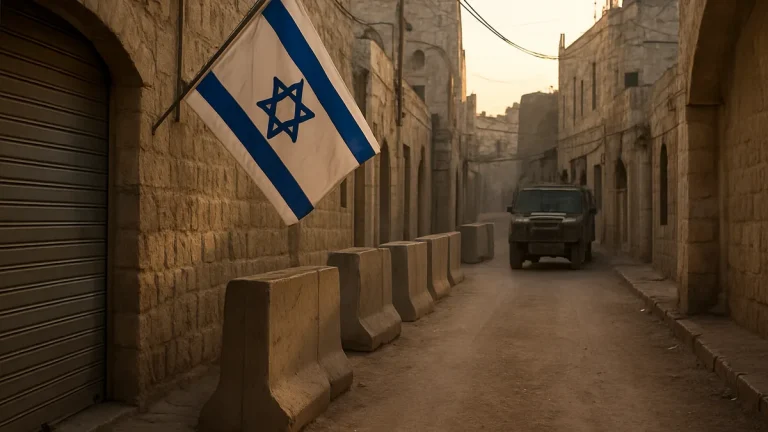
In the West Bank city of Hebron, Palestinian farmers are confronting persistent challenges as they work to preserve their agricultural lands. Daily attacks by settlers have escalated tensions, with incidents including the theft of sheep and damage to crops. These hostile actions are compounded by restrictions imposed by the Israeli military, limiting farmers’ access to their own fields. Despite these obstacles, the farmers remain determined to maintain their livelihoods and protect their ancestral lands.
Hebron holds significant historical and economic importance for Palestinian agriculture, with many families relying on farming as their primary source of income. The ongoing settler violence not only threatens the farmers’ economic stability but also exacerbates the broader conflict in the region. Military limitations on movement and land use further complicate efforts to cultivate crops and tend to livestock, creating a precarious situation for the local population. This struggle highlights the intersection of agricultural survival and political conflict in the West Bank.
In a significant development, the resilience of these farmers underscores the broader Palestinian resistance to settler encroachment and occupation policies. Their efforts to protect crops and livestock symbolize a fight for both economic sustainability and territorial rights. The situation in Hebron exemplifies the daily hardships faced by Palestinians living under occupation, drawing international attention to the human and economic costs of the conflict. Continued support and awareness are crucial to addressing these ongoing challenges.