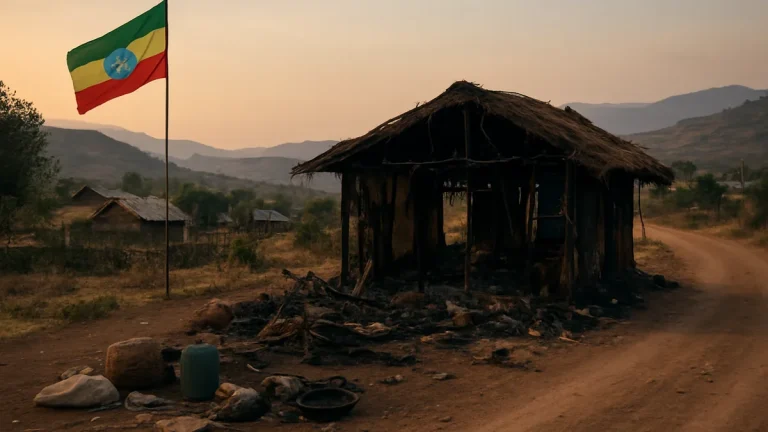
Nepal is confronting a massive reconstruction challenge after recent flash floods swept through the region, leaving extensive damage in their wake. The government has estimated that billions of dollars will be required to restore critical infrastructure, housing, and public services disrupted by the disaster. This catastrophic event has displaced thousands and severely impacted local communities, exacerbating existing vulnerabilities in the country’s mountainous terrain.
In a significant development, authorities are now focusing on clearing debris and initiating recovery efforts despite logistical difficulties posed by the rugged landscape. The floods have highlighted Nepal’s susceptibility to climate-related disasters, underscoring the urgent need for enhanced disaster preparedness and resilient infrastructure. International aid and financial support are expected to play a crucial role in accelerating the rebuilding process and supporting affected populations.
Meanwhile, the aftermath of the floods has drawn attention to the broader implications of environmental changes in South Asia, where similar events have become more frequent and intense. Nepal’s experience serves as a stark reminder of the challenges faced by developing nations in managing natural disasters amid limited resources. The reconstruction phase will be critical in shaping the country’s future resilience and sustainable development trajectory.