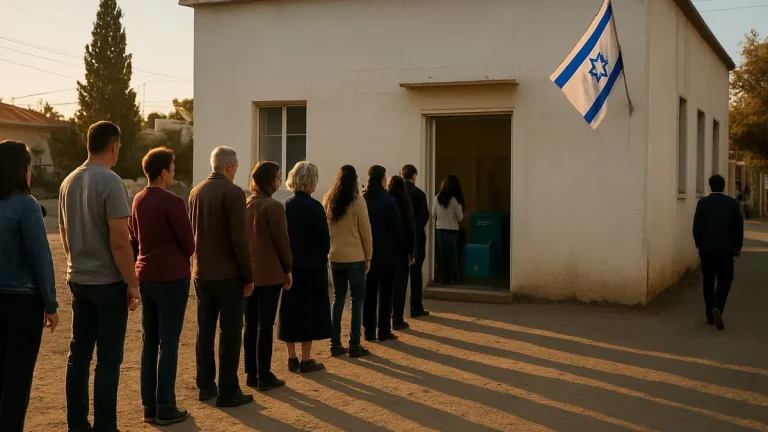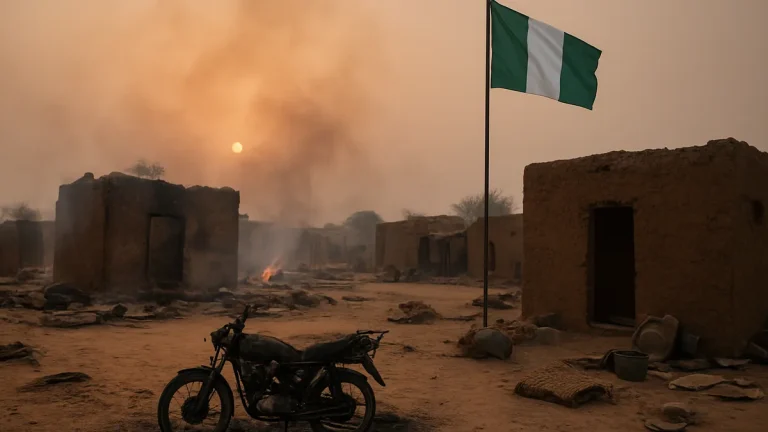
Israeli military operations in the occupied West Bank have intensified, with multiple homes being demolished in recent days. These demolitions are part of a broader pattern of actions that have heightened tensions between Israeli forces and Palestinian residents. Meanwhile, settler violence against local inhabitants continues to exacerbate the already volatile situation in the region. The destruction of homes not only displaces families but also fuels international condemnation and calls for accountability.
In a significant development, the European Union is deliberating on imposing a ban on goods produced in Israeli settlements located in the West Bank. This move aims to address the legality and ethical concerns surrounding products originating from territories considered occupied under international law. The EU’s potential policy shift reflects growing international pressure on Israel regarding settlement expansion and its impact on the peace process. Such a ban could have economic and diplomatic repercussions, influencing trade relations and regional dynamics.
The ongoing demolitions and settler attacks underscore the fragile security and humanitarian situation in the West Bank. These actions contribute to the displacement of Palestinian families and hinder prospects for a negotiated resolution to the Israeli-Palestinian conflict. The EU’s consideration of a settlement goods ban highlights the increasing role of international actors in attempting to influence the conflict’s trajectory. As tensions persist, the situation remains a focal point of global attention, with implications for regional stability and human rights.