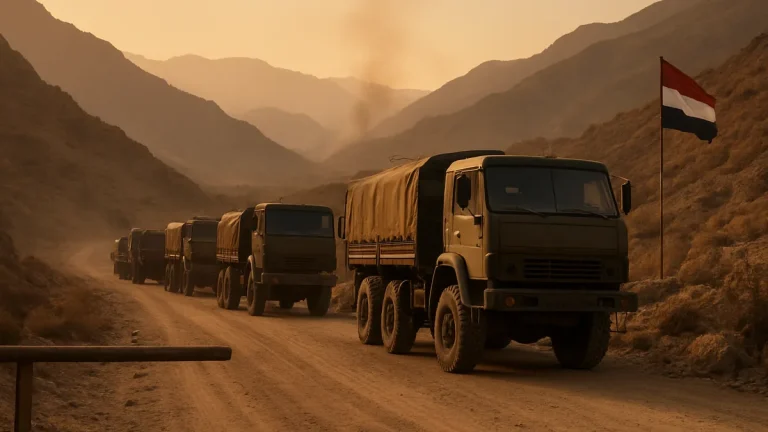
In Nepal, ongoing heavy rainfall has severely disrupted flood relief operations following devastating flash floods along the border with Tibet. The intense downpour has transformed access roads into muddy, impassable tracks, causing relief vehicles to become stuck and delaying aid delivery. Thousands of people remain unaccounted for amid the challenging terrain and worsening weather conditions. This situation has heightened concerns about the timely provision of emergency assistance to affected communities.
The flash floods, triggered by sudden heavy rains, have caused widespread destruction, washing away homes and infrastructure in the region. Nepal’s mountainous geography complicates rescue efforts, as many remote villages are difficult to reach even under normal circumstances. Meanwhile, the trapped relief convoys underscore the urgent need for alternative strategies to navigate the treacherous landscape and ensure that essential supplies reach those in need.
In a significant development, authorities and humanitarian organizations are calling for increased support and resources to overcome these logistical hurdles. The ongoing weather challenges highlight the vulnerability of flood-prone areas in Nepal and the critical importance of disaster preparedness and resilient infrastructure. As the situation evolves, coordinated efforts will be essential to mitigate the impact on displaced populations and accelerate recovery efforts in the affected border regions.