Israel is currently experiencing intense political polarization, with various factions sharply divided on numerous domestic issues. However, beneath these visible conflicts lies a significant agreement among most political groups regarding the preservation of Jewish supremacy within the state. This consensus shapes the country’s approach to governance and societal structure, reinforcing a dominant ethno-nationalist framework.
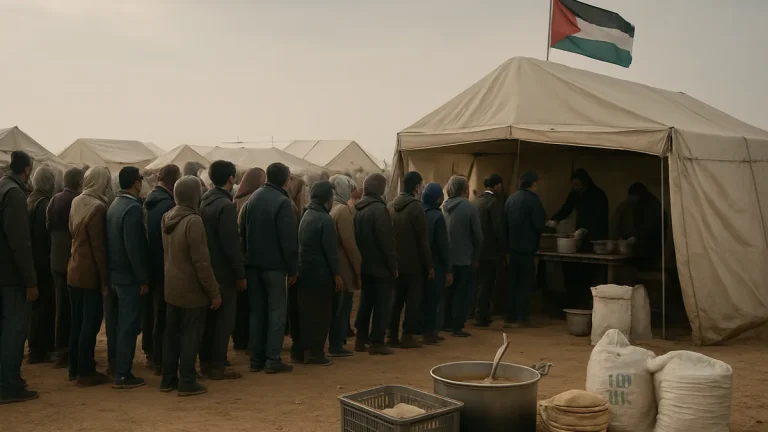
Meanwhile, Israel’s policies concerning the occupation of Palestinian territories remain largely uncontested across the political spectrum. Both right-wing and centrist parties support maintaining control over these areas, viewing it as essential for national security and territorial claims. This shared stance has profound implications for peace efforts and regional stability, as it perpetuates the ongoing conflict with Palestinians.
In a significant development, the widespread endorsement of military force as a primary tool for addressing security challenges further unites Israel’s political landscape. The reliance on the military underscores a strategic priority to defend the state against external threats and internal dissent. This unified approach, despite political discord, highlights the complexities of Israeli society and the challenges facing any attempts at political reconciliation or policy shifts.