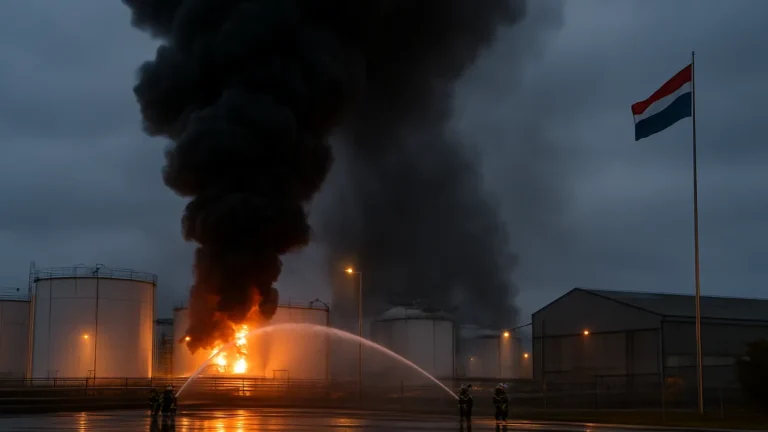
Libya is currently witnessing widespread protests marked by roadblocks and burning tyres as citizens express their frustration over persistent power outages. These demonstrations highlight the growing public discontent with the country’s inadequate electricity supply, which has severely impacted daily life and economic activities. The power cuts have been a recurring issue, exacerbating hardships amid Libya’s ongoing political and infrastructural challenges.
In a significant development, these protests underscore the broader instability faced by Libya since the 2011 civil conflict, which has left the nation’s infrastructure in a fragile state. The electricity sector, in particular, suffers from frequent disruptions due to damaged facilities and insufficient maintenance. Meanwhile, the protesters’ actions have led to traffic disruptions and heightened tensions in various urban centers, signaling a critical demand for government intervention.
Notably, the unrest over power shortages reflects deeper governance and service delivery problems that Libya continues to grapple with. The demonstrations may pressure authorities to prioritize restoring reliable electricity and improving public services to prevent further social unrest. As Libya navigates its complex political landscape, addressing these fundamental issues remains essential for stabilizing the country and supporting its recovery.