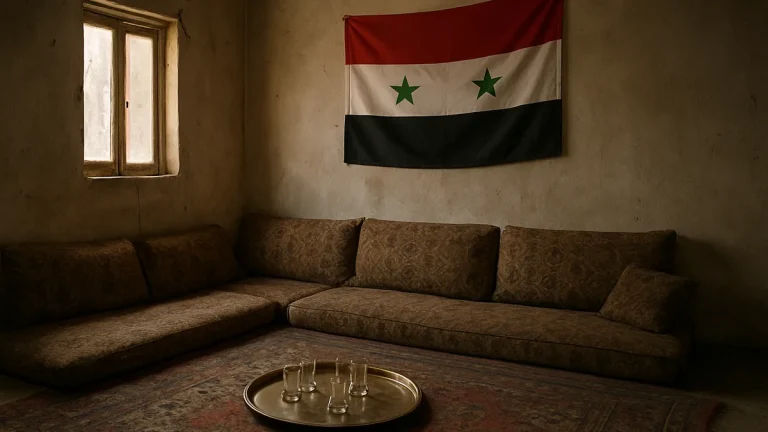
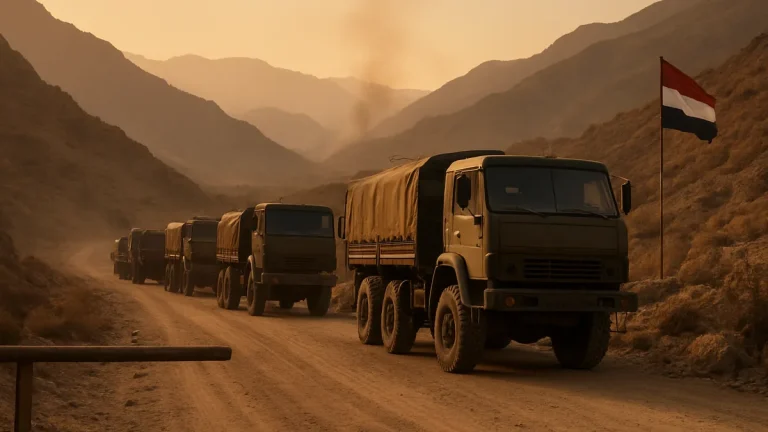
In the aftermath of prolonged conflict, Syrian families are confronting the daunting task of reconstructing their homes amid widespread destruction. The war has left countless residential areas in ruins, forcing many to start from scratch in regions where infrastructure and basic services remain severely compromised. Rebuilding efforts are often slowed by limited resources, ongoing security concerns, and economic hardships that continue to affect the population. Despite these obstacles, communities are gradually working to restore their living spaces, reflecting resilience and hope for a more stable future.
Meanwhile, the process of reconstruction is not merely about physical structures but also about restoring a sense of normalcy and security for displaced families. Many returnees face the challenge of reclaiming property and accessing essential utilities, which are critical for sustainable resettlement. International aid and local initiatives play a vital role in supporting these efforts, although the scale of destruction demands extensive and coordinated assistance. The rebuilding phase also underscores the broader need for political stability and peace to ensure long-term recovery in Syria.
Notably, the reconstruction of family homes symbolizes a crucial step toward healing the social fabric torn apart by years of conflict. It highlights the resilience of Syrians who strive to rebuild their lives despite ongoing uncertainties. The success of these efforts will significantly impact the country’s future, influencing migration patterns, economic revival, and community cohesion. As Syria moves forward, the rebuilding of homes stands as a testament to the enduring human spirit amid adversity.