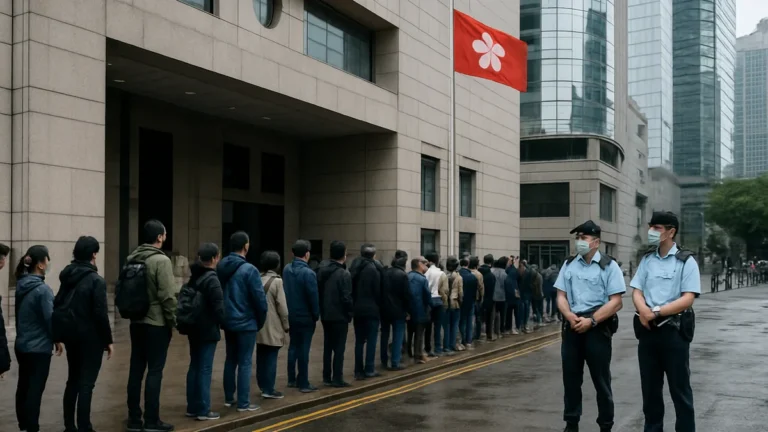
A pregnant Palestinian woman tragically lost her unborn child after being stopped at an Israeli checkpoint. The delay reportedly prevented her from reaching medical care in time, underscoring the severe impact of movement restrictions on vulnerable populations. Checkpoints have long been a contentious issue, affecting daily life and access to essential services for Palestinians. This incident has reignited debates over the humanitarian consequences of security measures in the occupied territories.
Israeli checkpoints are part of a broader security system aimed at controlling movement in the West Bank, but they often result in significant delays for Palestinians, including those seeking urgent medical attention. Human rights organizations have frequently criticized these practices, citing numerous cases where checkpoint delays have endangered lives. The loss of the baby in this case adds to mounting concerns about the physical and psychological toll on pregnant women and other vulnerable groups living under these conditions.
In a significant development, this incident has drawn international attention to the ongoing challenges faced by Palestinians in accessing healthcare. It highlights the urgent need for policies that balance security concerns with humanitarian considerations. Meanwhile, advocacy groups continue to call for reforms to ensure that medical emergencies are prioritized and that checkpoints do not become barriers to life-saving care. The tragic outcome serves as a stark reminder of the human cost embedded in the complex Israeli-Palestinian conflict.