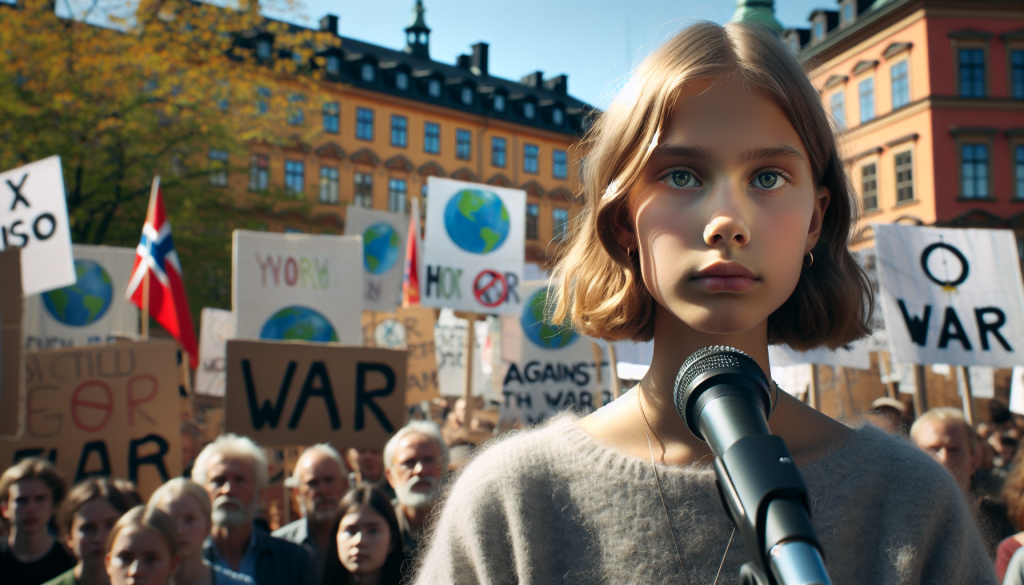

Climate activist Greta Thunberg has voiced strong opposition to former President Donald Trump’s threats against Iran, highlighting concerns over escalating tensions in the region. Thunberg, known for her global environmental advocacy, has increasingly engaged in political discourse, emphasizing the interconnectedness of peace and climate stability. Her criticism reflects a broader unease about aggressive foreign policies that could lead to conflict and environmental devastation.
Meanwhile, recent polls indicate a significant shift in attitudes among young Americans, who are growing more skeptical about the prospect of military intervention in Iran. This demographic trend suggests a desire for diplomatic solutions rather than armed conflict, underscoring generational differences in foreign policy perspectives. The youth’s cautious stance on war aligns with global calls for peaceful resolutions and highlights the potential impact of public opinion on government decisions.
In a significant development, the convergence of Thunberg’s activism and youth sentiment signals a growing movement against war-driven policies. This opposition could influence future political discourse and policy-making, especially as younger voters become more politically active. The situation underscores the importance of addressing international conflicts with a focus on dialogue and sustainability to prevent further instability and environmental harm.