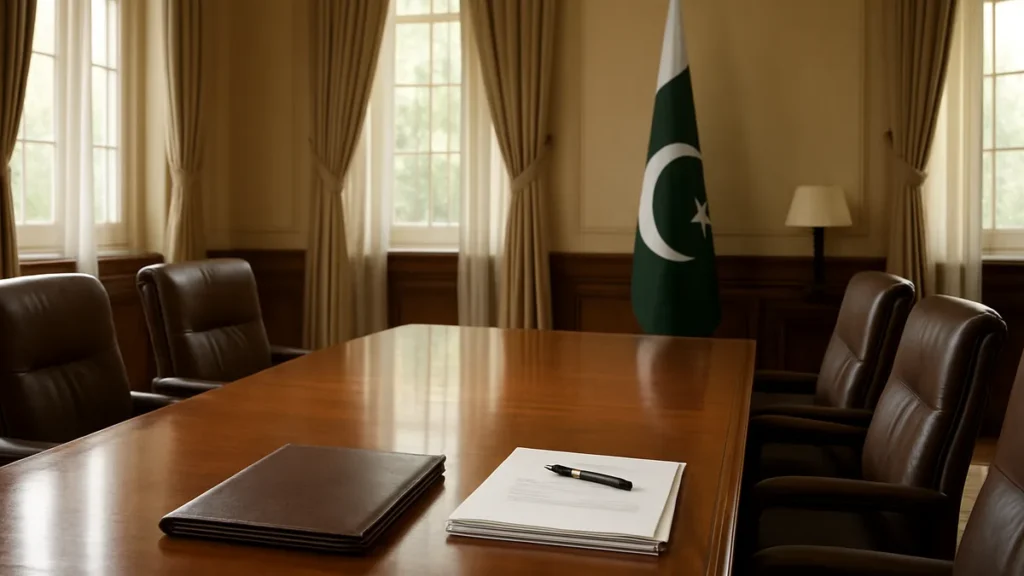
Deputy Prime Minister and Foreign Minister Senator Ishaq Dar has presented the Makkah Joint Defence Agreement, signed by Pakistan, Saudi Arabia and Turkiye, as a possible groundwork for a broader regional security structure. He argued that the arrangement could help bring calm to the Middle East and could also benefit Europe.
In an interview with a European broadcaster’s World Conversation programme in Islamabad, Dar said the three countries were pursuing wider diplomatic contact with regional and European powers. The goal, he said, is a security arrangement able to handle challenges that reach beyond the Gulf. He added that the United Kingdom, France and Germany were already engaging with the emerging structure, and that Italy had expressed interest in joining the dialogue.
Terms of the Makkah defence agreement
The pact was signed on August 7 in Makkah by Pakistan, Saudi Arabia and Turkiye. It seeks to deepen defence cooperation and collective security among the three countries as regional security pressures grow.
Also read: Makkah Joint Defence Agreement panel to convene in Islamabad · USS Theodore Roosevelt arrives in Middle East as Iran talks stall
Under its collective defence provision, an armed attack against any one signatory would be treated as an attack on all three. Each would then be bound to respond together to outside aggression.
The agreement is defensive in purpose and is not aimed at any country. Its stated objectives include strengthening deterrence, protecting the sovereignty and territorial integrity of the participating states, and promoting stability through closer security ties.
Dar sees a wider security architecture
Dar views the pact as a possible starting point for something larger than a three-nation arrangement. He called it a “beginning of the regional security architecture” and argued that it should not be judged only through a regional lens.
He said the framework’s implications would reach international trade and economic stability. “We all have to see the new security architecture (…) and the consequences on the global economy,” he told the broadcaster.
Dar said the three countries were also engaging other regional states and European partners. Their aim, he said, is “towards bringing peace and stability to the region which will be effective and beneficial to the entire globe”.
Islamabad’s mediation between Washington and Tehran
Dar said Islamabad opened diplomatic contacts between Washington and Tehran on the first day of the US-Israeli war against Iran, February 28, which eventually helped bring the two sides to negotiations. His first call was to Iranian Foreign Minister Abbas Araghchi, whom he urged to show restraint and avoid retaliatory action against Gulf countries.
“In the early morning of the first day of the war, February 28, I called (Iranian foreign minister Abbas) Araghchi to please exercise strength and don’t react, because I was wondering if they might react against the Gulf countries, which unfortunately they did,” Dar said.
He described that initial contact as the start of Islamabad’s effort to contain the conflict. “The entire (diplomatic) process began on that day,” he recalled.
Dar said sustained engagement with both sides eventually produced an intensive round of talks. He described a session that lasted 21 hours, with only brief consultative breaks.
“It was 21 hours of a marathon session with no real breaks, but only consultative breaks, and, after the fifth round, I was very sure that by the sixth round we have covered so much of the mileage that we reached a point (of agreement),” he said.
The talks produced the Islamabad Memorandum of Understanding (MoU), signed on June 18, which Dar presented as the result of sustained mediation. “We didn’t give up,” he said.
Strait of Hormuz navigation and the June 18 understanding
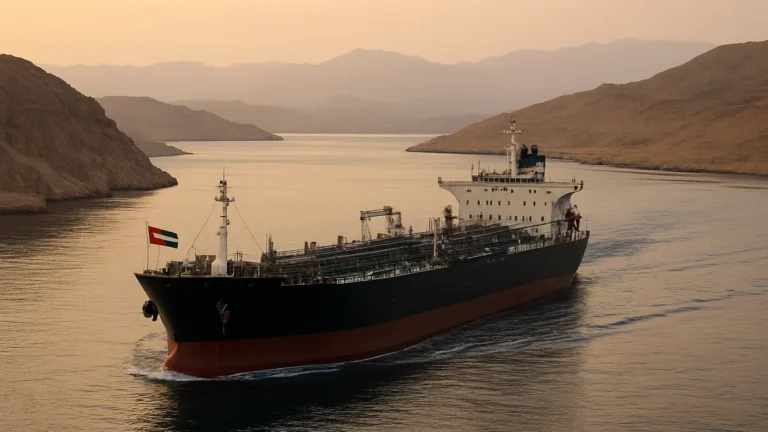
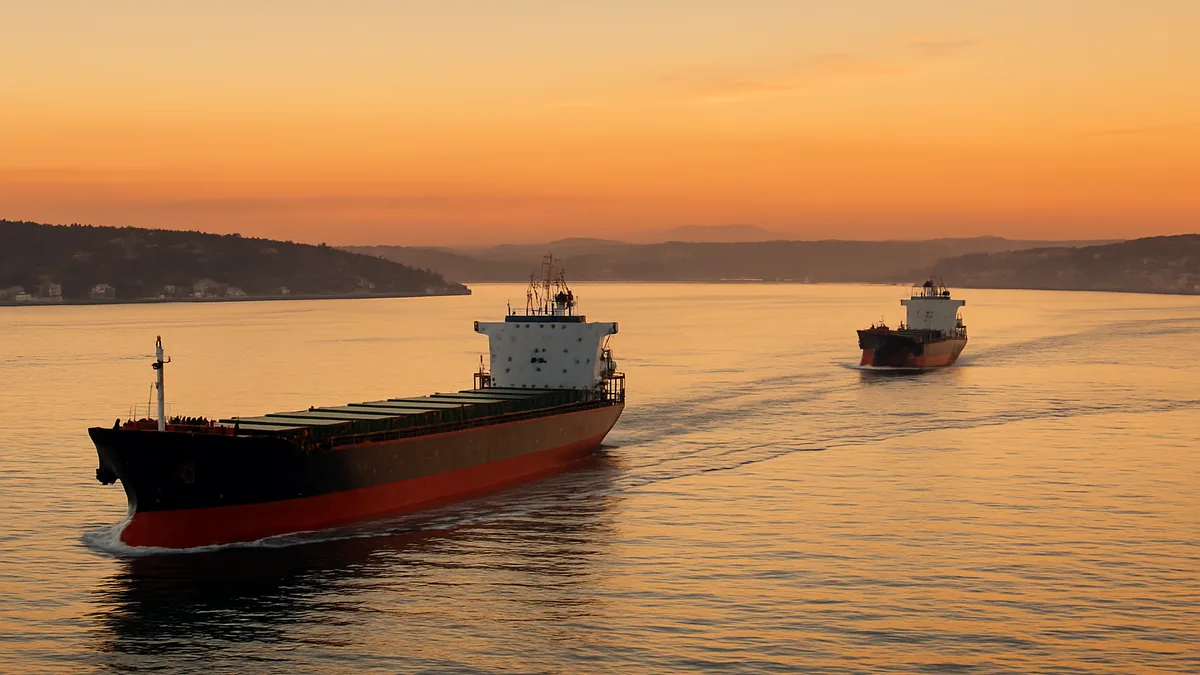
The understanding was intended to set up a framework for ending hostilities and addressing outstanding issues between the two sides. It placed particular emphasis on freedom of navigation through the Strait of Hormuz, a strategically important route for global energy supplies.
Dar said one of its central provisions is that no tolls, permits, fees or permissions should be imposed on vessels passing through the waterway. He said almost every country had supported this principle, and that the European Union (EU) and the UK had also backed the diplomatic process.
“I think that the sea lanes must be seen as a free movement and Pakistan has not given up,” Dar said, adding that efforts to secure unrestricted passage through the strait were continuing.
He said Islamabad was still urging Washington and Tehran to honour their commitments under the June 18 understanding. “Pakistan continue to persuade both parties to please respect and honour what you signed on 18 June,” he said.
Dar’s remarks show Islamabad’s effort to place the Makkah defence agreement within a broader regional security framework, while staying engaged in the US-Iran conflict, particularly on regional stability and freedom of navigation.