Punjab Chief Minister Maryam Nawaz Sharif has issued strict instructions to deputy commissioners across the province to completely stop the burning of crop residue. She criticized officials in Okara and other districts for failing to prevent such incidents and emphasized the need for urgent action.
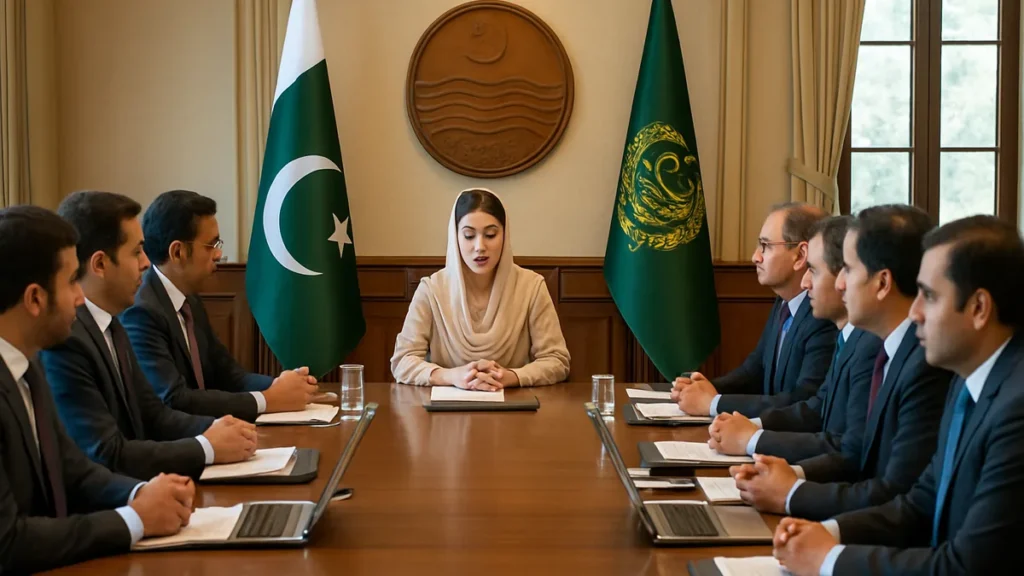
During a special meeting focused on the performance of deputy commissioners, Maryam Nawaz underscored the importance of quality, sustainability, and timely completion of administrative tasks. She expressed dissatisfaction with delays and substandard work on beautification projects in various districts.
Performance review and beautification projects in Punjab districts
Shoaib Mirza, Special Assistant and head of the Punjab Performance Management Unit, presented key performance indicators (KPIs) for each district at the meeting. The chief minister commended the administrations of Murree, Gujranwala, Attock, Bahawalpur, Chakwal, Jhelum, Layyah, and Sahiwal for their strong performance.
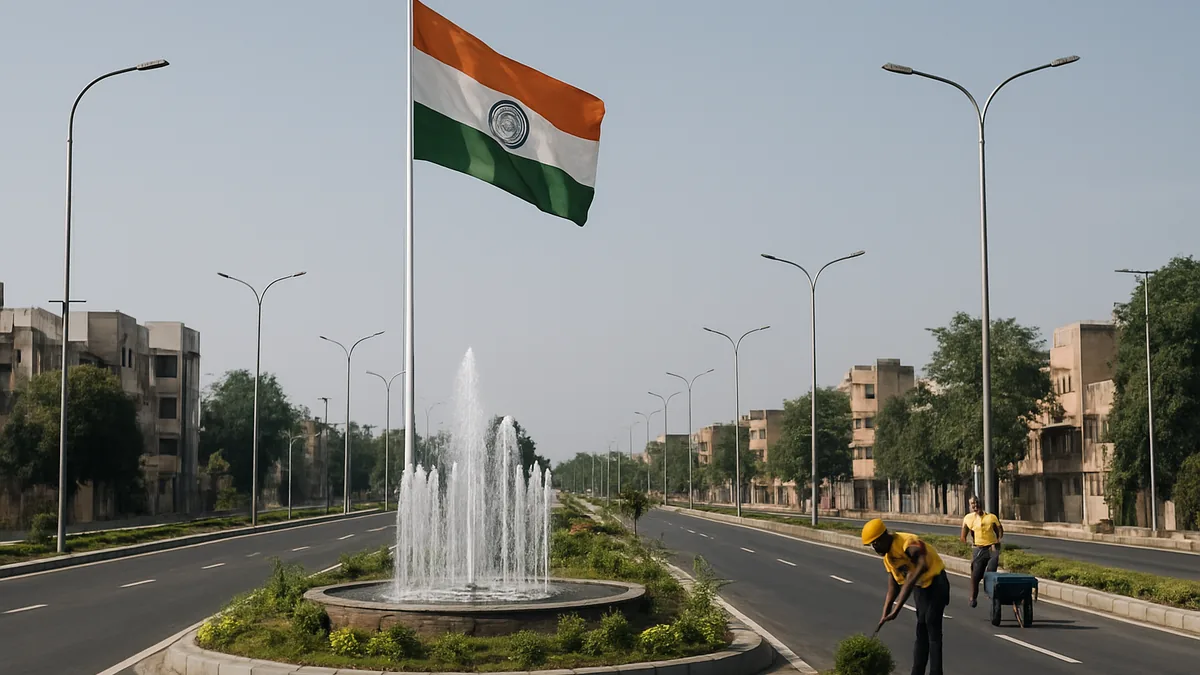
Maryam Nawaz instructed authorities to include fountains and other water features in beautification initiatives. She also ordered the creation of dedicated squads responsible for governance and road maintenance, which would inspect sites and implement corrective measures within 12 hours.
Additional directives included ensuring all streetlights are operational, manholes are properly covered, and improvements are made to zebra crossings and school safety arrangements. The chief minister reviewed beautification efforts in several districts, including Akbar Bazaar in Khanewal, Main Bazaar in Mian Channu, and Allah Dad Bazaar in Jahanian.
Reports were also delivered on projects in Sheikhupura’s Main Bazaar, Akbar Bazaar, Humayun Bazaar, Chhota Adda Bazaar, and Safdarabad, as well as in Sharaqpur and Muridke. The Gujranwala administration received praise for its beautification work, while projects in Eminabad, Kamoke, and Nowshera Virkan were evaluated.
Maryam Nawaz directed the completion of four beautification plans in Nankana Sahib by November and urged the Rawalpindi administration to prioritize green belts during the review of five city projects. She also requested the Gujrat deputy commissioner to integrate new schemes into ongoing development plans.
The chief minister expressed displeasure over unauthorized changes to approved plans in Rahim Yar Khan and ordered that food carts and food lanes be allocated to qualified individuals and businesses.
Public service improvements and administrative measures
Maryam Nawaz gave deputy commissioners a three-day deadline to enhance conditions at public hospitals. She mandated daily visits by DCs and assistant commissioners (ACs) to hospitals, along with daily deep cleaning and road washing across the province.
ACs were instructed to promptly restore non-functional water filtration plants. The administration was also tasked with ensuring the repair, maintenance, and cleanliness of general bus terminals and Green Bus shelters.
A three-step approach was established to prevent the use of empty plots for dumping trash: a warning for the first violation, a substantial fine for the second, and filing a formal complaint for the third.
The chief minister authorized the removal of wall chalking, torn banners, and small advertising posters from public spaces and ordered a province-wide campaign against encroachments. She also called for measures to control stray dogs in Punjab.
Maryam Nawaz emphasized the importance of visible urban management, stating, “Lane markings, painted buildings and clean roads create the impression of a well-managed city. Negligence on the part of deputy commissioners and the administration reflects on my reputation.”
She directed DCs to visit universities and colleges to inform students about ongoing development projects and government schemes. Each district administration was also asked to develop a district economic plan aimed at promoting local economic growth.
The meeting further reviewed district performances in areas such as eBiz, dog-bite incidents, Suthra Punjab, hospitals, schools, price control, road and street safety, public amenities, development monitoring, regulation and enforcement, urban management, public spaces, and citizen services.
The chief minister warned officials about poor performance and urged them to improve service delivery across the province.