



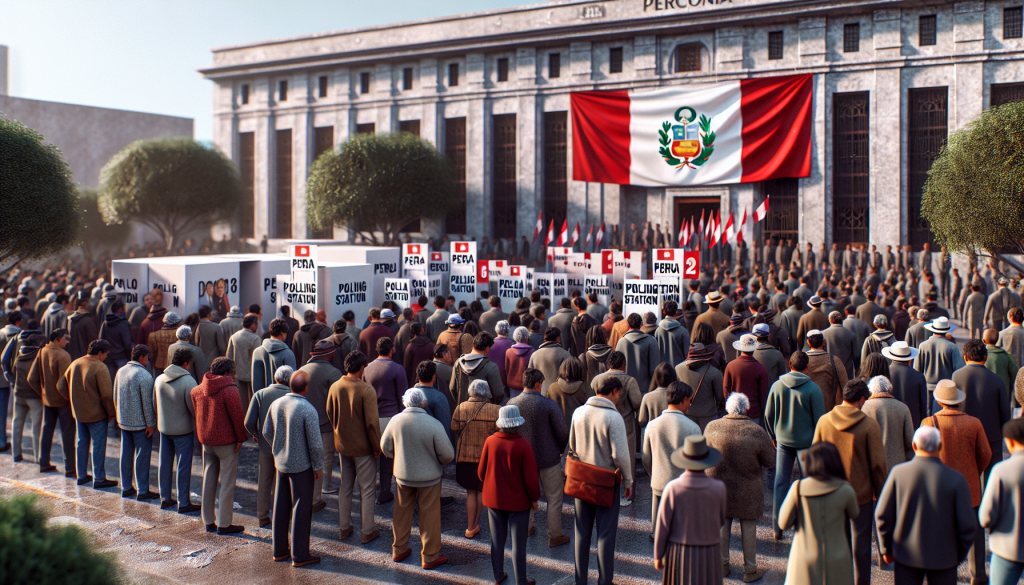
Peru is heading into a historic presidential election marked by a record-breaking number of candidates vying for the nation’s highest office. This crowded field reflects widespread dissatisfaction with the political establishment, as citizens seek alternatives amid ongoing turmoil. The election comes at a time when Peru faces significant challenges, including rampant crime and entrenched corruption, which have eroded public trust in government institutions.
Political instability has been a persistent issue in Peru, with frequent changes in leadership and scandals undermining governance. Voters are particularly concerned about security and transparency, hoping that the new president will implement effective reforms to tackle these problems. The diverse slate of candidates represents a broad spectrum of political ideologies, signaling a fragmented electorate searching for solutions.
In a significant development, this election could reshape Peru’s political landscape depending on which candidate emerges victorious. The outcome will have important implications for the country’s efforts to stabilize its institutions and restore public confidence. Meanwhile, international observers are closely monitoring the process, recognizing its potential impact on regional stability and economic prospects.

Leave an opinion