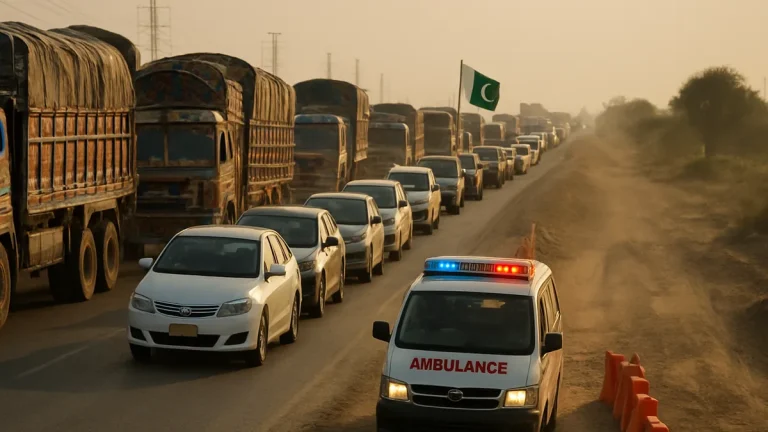
Karachi’s traffic police have issued an advisory to motorists and commuters as the Jamaat-e-Islami (JI) sit-in enters its second consecutive day. The ongoing protest has led to significant traffic congestion in key areas of the city, prompting authorities to recommend alternative routes to ease the flow of vehicles. This advisory aims to minimize inconvenience for daily travelers and maintain order on the roads during the demonstration.
Jamaat-e-Islami’s sit-in is part of a broader political movement, reflecting ongoing tensions and demands within the city’s political landscape. Such protests often disrupt normal urban activities, highlighting the challenges faced by law enforcement in balancing public order with citizens’ right to protest. The traffic police’s proactive measures underscore the importance of timely communication in managing urban mobility during large-scale gatherings.
Meanwhile, residents and commuters are urged to stay updated on traffic conditions and plan their journeys accordingly to avoid delays. The situation also draws attention to the need for improved infrastructure and contingency planning in Karachi, a megacity frequently affected by political demonstrations. The advisory serves as a reminder of the complex interplay between civic administration and political activism in Pakistan’s largest metropolis.