



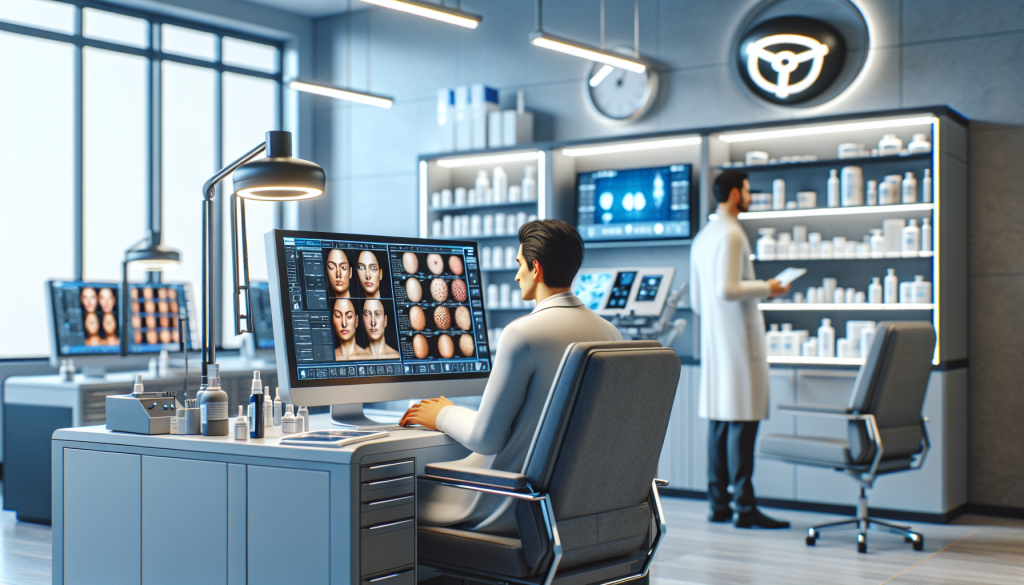
Researchers have developed artificial intelligence models capable of detecting patients at high risk of developing melanoma prior to the appearance of the disease. This breakthrough allows for earlier diagnosis and preventive measures, potentially reducing melanoma-related mortality. Melanoma, a serious form of skin cancer, often progresses rapidly, making early identification crucial for effective treatment.
In a significant development, these AI systems analyze various risk factors and medical data to predict susceptibility, offering a proactive approach to skin cancer management. The integration of AI in dermatology represents a shift towards personalized medicine, where interventions can be tailored based on individual risk profiles. This technology could transform screening protocols and patient monitoring strategies worldwide.
Meanwhile, the impact of such predictive models extends beyond clinical settings, as they may also inform public health policies aimed at melanoma prevention. Early detection through AI could lead to reduced healthcare costs and improved survival rates. Continued research and validation are essential to ensure the reliability and accessibility of these tools across diverse populations.

Leave an opinion