



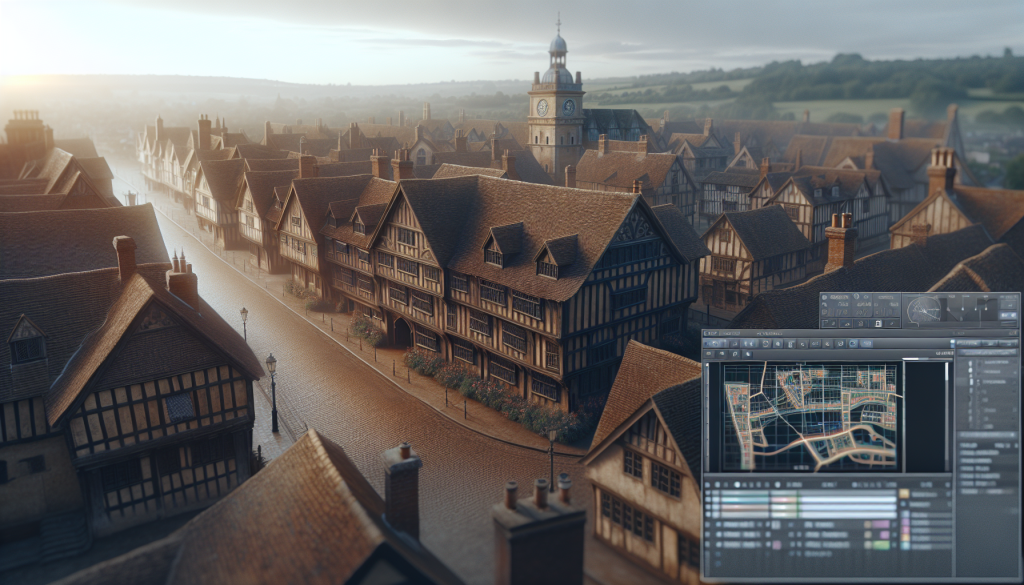
In a significant development for literary history, a Shakespeare expert has successfully identified the precise location and scale of a property acquired by William Shakespeare in 1613. This discovery fills a longstanding gap in the understanding of the playwright’s personal life and real estate holdings during his later years. The property, previously uncharted in historical records, offers fresh insights into Shakespeare’s domestic arrangements and social status at the time.
William Shakespeare, renowned for his timeless plays and poetry, lived during the late 16th and early 17th centuries, a period marked by significant cultural and political changes in England. The identification of this property adds a tangible dimension to the study of his life beyond his literary achievements. It also provides historians and scholars with a physical context to better appreciate the environment that influenced his work during the final phase of his career.
Meanwhile, this revelation is expected to impact Shakespearean scholarship and heritage tourism, potentially attracting enthusiasts eager to connect with the playwright’s authentic living spaces. The mapping of the property not only enriches the narrative of Shakespeare’s biography but also underscores the ongoing efforts to uncover and preserve historical landmarks associated with literary icons. Such findings continue to deepen public engagement with England’s cultural legacy.

Leave an opinion