Update · 12 Nov 2026, 2:20 AM PKT: Parliament Speaker Ghalibaf said the Strait of Hormuz will never return to its pre-war status. Ghalibaf is also Iran's top negotiator.
Iran’s security chief, Mohsen Rezaei, said on Tuesday that Tehran is still waiting for Washington to answer its seven conditions for peace talks. He also dismissed reports that any negotiations with the United States were taking place.
His remarks came as optimism grew about a diplomatic way out of the US and Israeli war on Iran. US President Donald Trump said he saw “positive momentum” toward ending the conflict and added that new attacks on Iran were unnecessary. Trump had met Qatar’s Prime Minister, Sheikh Mohammed bin Abdulrahman bin Jassim Al Thani, at the White House on Monday, and Qatar is a key mediator in the conflict.
Iran’s seven conditions and the Hormuz closure
Speaking to Lebanon’s Al Mayadeen TV, Rezaei called claims of continuing negotiations or a meeting in Qatar “a pure lie”. He argued that Washington was promoting talks to ease economic pressure and bring oil prices down.
Also read: Oil rebounds as Hormuz shipping attacks blunt Iran truce hopes · Putin meets Iran's security chief Rezaei at Kremlin
Rezaei said the Strait of Hormuz, a global maritime corridor that Iran has closed, would stay shut until the US meets Tehran’s seven conditions. He described the initial American response as “insufficient and deceptive” and said Iran was still waiting for a clear answer.
Iran has not published the full list of conditions. Rezaei and Foreign Minister Abbas Araghchi have said it includes lifting sanctions and the US naval blockade, as well as ending fighting on all fronts, especially Israeli attacks on Lebanon. Araghchi has said the strait could reopen within two days if those demands are met.
Diplomatic efforts in Paris and Washington
Araghchi told the state news agency IRNA on Tuesday that the conflict would not be settled through military force or tougher sanctions. He said the only path forward was respectful language, diplomacy and a response to Iran’s demands, which he said were laid out in the two-day proposal and remained on the table.
The war, now in its ninth month, has unsettled global markets and disrupted oil and gas supplies, pushing prices up around the world.
In Paris, where foreign ministers from the Group of 7 were meeting, Sheikh Mohammed held talks with the Saudi foreign minister and four senior European diplomats, only hours after his meeting with Trump. The French Foreign Ministry said the discussions would focus on the Iran crisis and its security and economic fallout.
Speaking to reporters in Paris, US Secretary of State Marco Rubio said Washington was “open to diplomacy”. He repeated Trump’s view that further strikes were not needed “if we’re achieving the same objectives through economic means”. Rubio added: “The economic campaign is so devastating that right now there is no need for major combat operations,” and said he had told allies as much.
Tanker incidents and ship attacks in the strait
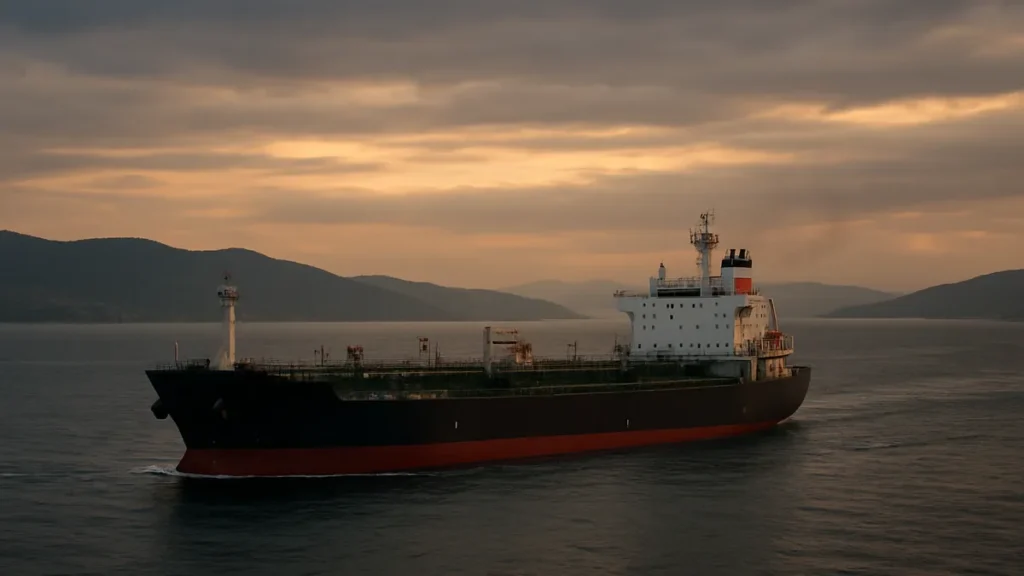
Attacks on vessels in the Strait of Hormuz continued during the same period. Iran’s Islamic Revolutionary Guard Corps (IRGC) claimed that three oil tankers caught fire on Tuesday after striking naval mines while transiting an “unauthorised route” in the eastern part of the strait.
The UK Maritime Trade Operations (UKMTO) agency said it had received reports of incidents involving two tankers in the region. It said one of the tankers had been hit by an unknown projectile northeast of Oman’s Lima village.
Maritime monitoring firms have reported at least 37 attacks on ships in and near the strait in November. That figure is the highest monthly total for ship attacks since the war began.