
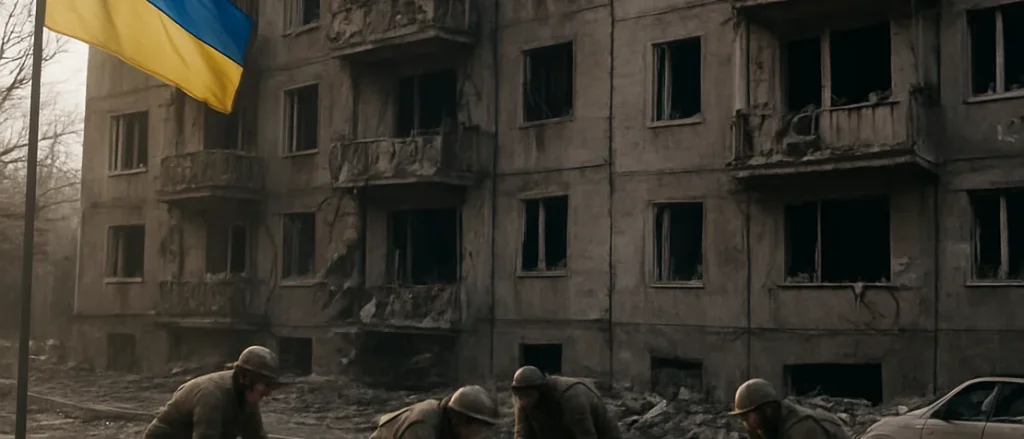

Russian strikes on the southeastern Ukrainian city of Zaporizhzhia killed at least 15 people, three of them children, according to Ukraine’s state rescue service. Ukrainian President Volodymyr Zelensky linked the attack to a diesel arrangement between Washington and Moscow, saying on Saturday that Russia had used the bombing to show its gratitude for it.
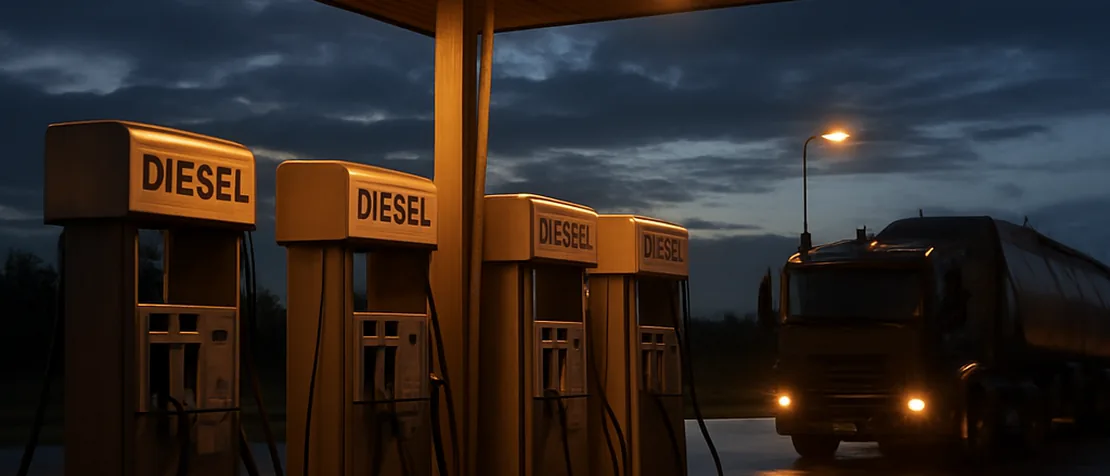
The arrangement was announced by US President Donald Trump on Friday after a phone call with Russian President Vladimir Putin. Under its terms, Moscow would release large volumes of diesel into global markets in return for relief from sanctions.
Zaporizhzhia strikes leave at least 15 dead
Ukraine’s national police service said Russia struck residential neighbourhoods early on Saturday with five guided aerial bombs. Rescuers worked through the rubble of the damaged buildings, and an AFP correspondent at the scene watched emergency crews pull people out.
Rescuer Daniil Pishkin told AFP that he had seen a woman, her husband and a child trapped under the debris. He said two people were brought out alive, but a young girl had died.
Iryna, 69, a resident of one of the hit buildings, said she had only just reached the toilets after an air raid warning when the blast came. She said two of her neighbours, both aged 75, were killed and were thrown into the street, and that neither survived the trip to hospital.
Kyiv blackouts and criticism of the diesel agreement
Kyiv also suffered large-scale power outages on Saturday because of Russian strikes, according to DTEK, the country’s largest private energy provider. AFP reporters heard booms over the capital earlier in the day, and the city’s mayor said a restaurant had been hit.
Zelensky had earlier told reporters that the deal did not measure up to what Ukraine’s partners deserved, calling it a weak decision. On Saturday he wrote on Facebook that the agreement needed to be reversed, arguing that Russia had chosen war and would only agree to end it once it felt its ability to prolong the fighting was shrinking. He warned that signals Moscow had received the previous day suggested it could keep attacking, and said this had to be corrected.
EU foreign policy chief Kaja Kallas said that lifting sanctions on Russian diesel would help fuel the Kremlin’s war in Ukraine. She wrote online that this was no time to ease pressure on Moscow and that Europe would not do so. Germany said it would keep pushing for new EU sanctions on Russia despite the agreement.
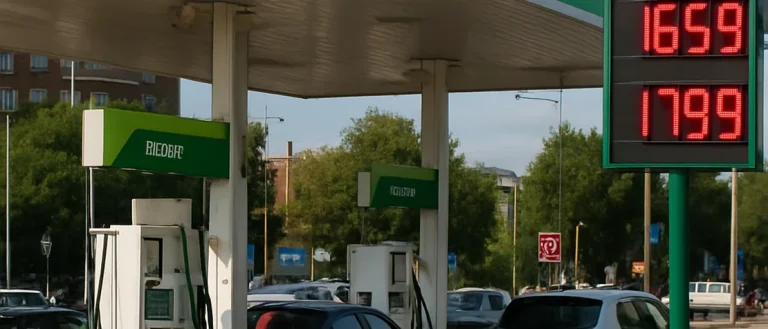
Trump promoted the deal in a post on his Truth Social platform, predicting that diesel prices would drop quickly and sharply. Later he told reporters that he wanted to thank Putin. Pump prices for gasoline and diesel in the United States have risen steeply since late February, when the United States and Israel launched joint military strikes on Iran.
Miami talks and the Kremlin’s account of the Trump call
US, Ukrainian and European officials met in Miami on Friday as part of a renewed diplomatic effort to end the war. Trump, who has repeatedly presented himself as a peacemaker, has sought to broker a deal since taking office last January.
US envoy Steve Witkoff said on X that the meeting had featured constructive discussions on possible ways to de-escalate and conclude the war with Russia before winter, and to move toward a lasting peace. He said participants included the E3, the European Commission, Ukraine and NATO.
The Kremlin said on Saturday that Trump had passed his ideas on how to de-escalate the conflict to Putin during Friday’s call. It said Putin had received the proposals with understanding, but did not explain what they contained or how the Russian president had responded.
Moscow has intensified its deadly bombardment of Ukraine in recent months, driving up civilian casualties, while US-led efforts to end the conflict, now in its fifth year, remain deadlocked. Russia launched its full-scale invasion in February 2022 and now occupies roughly one-fifth of Ukrainian territory.