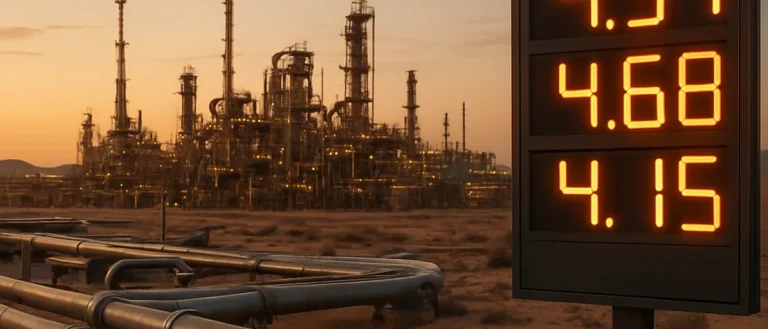
The United States maintains substantial influence over Iraq’s oil revenues, a critical factor in the country’s economic stability. This control stems from strategic agreements and financial mechanisms established during and after the 2003 Iraq invasion. By managing these revenues, the US can impact Iraq’s fiscal policies and its ability to fund reconstruction and public services. This dynamic also affects global oil supply chains, given Iraq’s role as a major oil producer.
In a significant development, the US oversight of Iraq’s oil income has broader geopolitical implications, shaping regional power balances in the Middle East. The control mechanisms include monitoring export revenues and directing funds through international banking systems. Meanwhile, Iraq’s government faces challenges in asserting full sovereignty over its natural resources amid these external pressures. This situation underscores the complexities of post-conflict economic governance and resource management.
Notably, the US control over Iraq’s oil revenues influences international energy markets by affecting production levels and export policies. It also plays a role in diplomatic relations between Iraq and other global powers interested in the region’s resources. The ongoing management of these revenues highlights the intersection of economic strategy and foreign policy. Understanding this control is essential to grasping the broader context of Iraq’s recovery and regional stability.