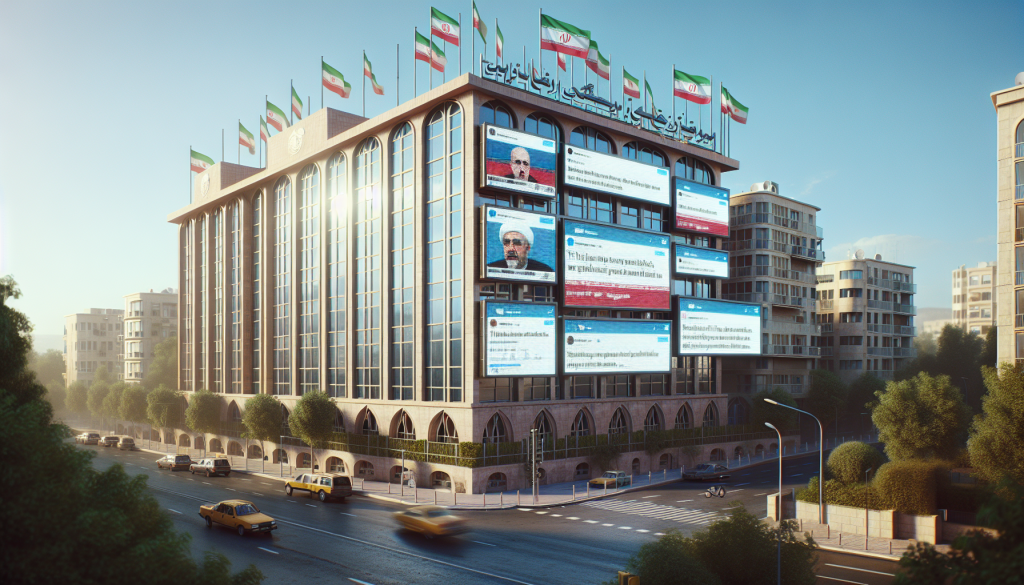

In a notable diplomatic retort, Iranian embassies around the world initiated a widespread trolling campaign targeting former US President Donald Trump’s use of vulgar language in a recent threat. This coordinated response underscores the heightened tensions between Iran and the United States, reflecting ongoing animosities that have persisted since the US withdrawal from the Iran nuclear deal in 2018. The embassies’ actions aimed to publicly ridicule Trump’s aggressive rhetoric, turning the tables by using humor and satire as a form of political resistance.
Such a campaign is significant as it demonstrates how modern diplomacy can extend beyond formal channels into social media and public discourse, where messaging can influence international perceptions. Iran’s approach highlights the use of soft power tactics to undermine the credibility of political adversaries, especially when official diplomatic relations are strained or minimal. This form of engagement also resonates with global audiences, potentially shaping public opinion about the US-Iran conflict.
Meanwhile, the episode reflects broader geopolitical dynamics, where verbal exchanges between leaders can escalate tensions or open avenues for dialogue depending on the context. The embassies’ mocking response may serve to rally domestic and international support by portraying Iran as resilient and defiant in the face of external pressure. Ultimately, this incident exemplifies how diplomatic interactions have evolved in the digital age, blending traditional statecraft with viral communication strategies.