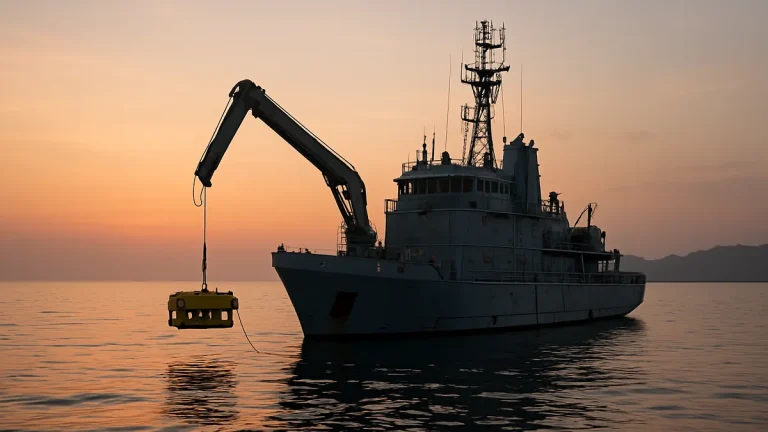
The wreckage of the Altalena ship has reignited a fierce dispute within Israel’s right-wing political sphere, particularly between Prime Minister Benjamin Netanyahu and far-right leader Itamar Ben-Gvir. Both politicians assert themselves as the rightful heirs to the legacy of the Irgun militia, a paramilitary group active during the British Mandate period. The Altalena, a ship carrying weapons and fighters for the Irgun, was sunk in 1948 during a violent confrontation with the newly formed Israeli government, marking a pivotal moment in Israel’s early statehood.
In a significant development, this historical episode has become a symbol of competing narratives within Israel’s nationalist factions. Netanyahu, representing the mainstream right, and Ben-Gvir, known for his hardline views, leverage the Irgun’s controversial past to bolster their political legitimacy and appeal to their respective bases. The dispute highlights ongoing tensions over Israel’s founding myths and the role of militant groups in shaping its national identity.
Meanwhile, the Altalena controversy underscores broader challenges in Israeli politics, where historical memory often intersects with contemporary power struggles. The battle over the Irgun’s legacy reflects deeper divisions about security, governance, and the use of force in Israel’s complex political landscape. As Netanyahu and Ben-Gvir vie for influence, the Altalena remains a potent symbol of unresolved conflicts from Israel’s formative years that continue to resonate today.