Scientists have described an experimental treatment that could open a new route to repairing heart damage after a heart attack. Rather than only protecting the heart muscle that survives an attack, the technique aims to prompt damaged hearts to regenerate muscle cells and recover their ability to pump blood.
The findings were published in the journal Nature Cardiovascular Research. They describe how modified messenger RNA, known as mRNA, can encourage heart muscle cells to divide, which could improve the heart’s pumping ability.
Why heart muscle damage is so hard to reverse
A heart attack, medically called myocardial infarction, happens when blood flow through a coronary artery is severely reduced or fully blocked. The lack of oxygen that follows causes heart muscle cells, known as cardiomyocytes, to die. These specialised cells drive the contractions that push blood around the body and deliver oxygen and nutrients to vital organs.
Unlike the skin or liver, the adult human heart can replace damaged cells only to a very limited degree. Dead muscle is instead largely replaced by fibrous scar tissue. That tissue helps keep the heart’s structure intact, but it cannot contract like healthy muscle, so the heart may gradually lose efficiency and potentially develop heart failure.
Existing treatments, including procedures to reopen blocked arteries, medication and supervised rehabilitation, have markedly improved survival after heart attacks. However, they cannot fully restore heart muscle cells that have already died.
Using mRNA to restart cell division in the heart
During early development, heart muscle cells divide actively, which allows the organ to grow. Soon after birth, however, most mammalian heart muscle cells largely lose that capacity. The researchers asked whether this growth process could be switched back on.
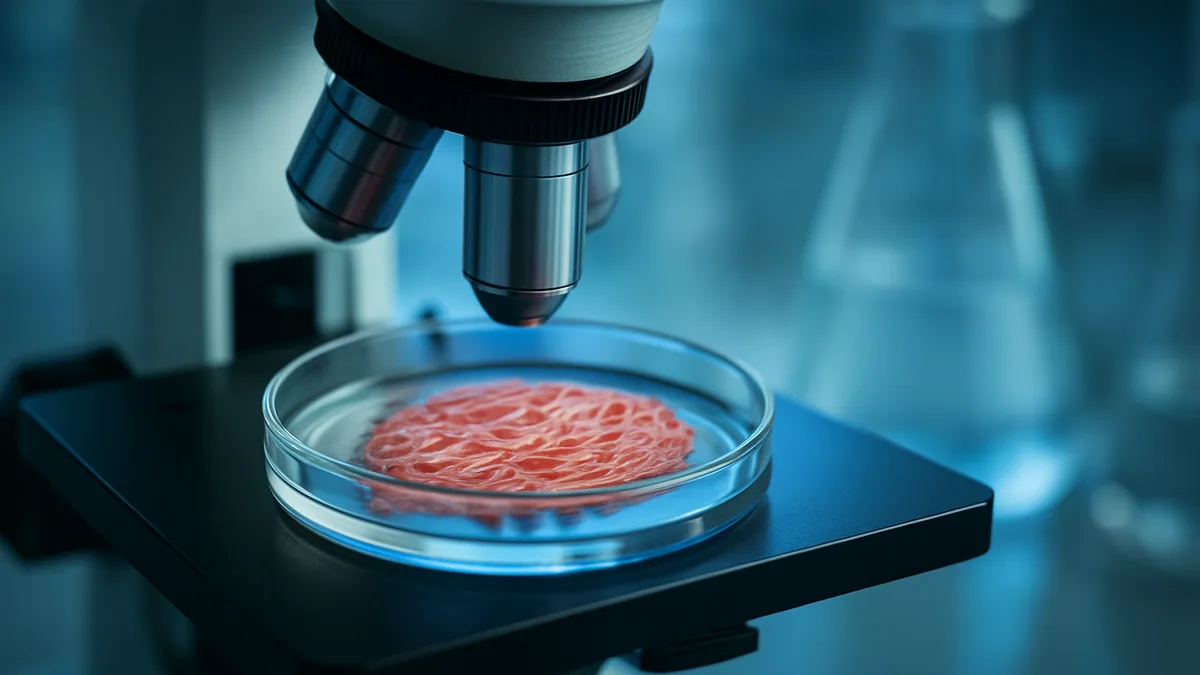
They encouraged heart muscle cells to produce two proteins, Myc and cyclin T1. Myc activates genes involved in cell growth and division, while cyclin T1 helps regulate the cellular machinery needed for multiplication. Working together, the two proteins can push mature heart muscle cells to re-enter the cell cycle and divide.
To trigger production of the proteins, the team used modified mRNA carrying instructions to the heart muscle cells. The researchers noted that mRNA does not alter a cell’s DNA. It provides temporary instructions that the body naturally breaks down, which matters because uncontrolled cell division can contribute to cancer.
Mouse results and safety concerns
The researchers tested the treatment in mice that had experimentally induced heart attacks. They injected the modified mRNA directly into the damaged hearts, which activated genes linked to cell division and prompted heart muscle cells to multiply. The treated animals subsequently showed improved heart function.
After 28 days, mice that received the treatment had lost less pumping capacity than untreated animals and kept more heart muscle tissue. In a longer experiment, the improvements in heart function were still evident 12 weeks after treatment.
The treatment did not consistently reduce scar tissue, according to the findings. The researchers said this suggests better heart function did not necessarily mean all damaged muscle had been replaced with newly generated healthy tissue.
Safety remains one of the most significant hurdles before the approach could be considered for people. Myc is a powerful regulator of cell growth, and its uncontrolled activity is associated with cancer. Activating Myc and cyclin T1 across large areas of the heart could therefore carry significant risks. The researchers found that limiting activation to a smaller region around the original injury produced a more favourable response.
The study highlights the potential of mRNA-based therapies to promote heart muscle regeneration. Further research will be needed to establish their long-term safety, effectiveness and suitability for human patients.