Pakistan’s Economic Coordination Committee (ECC) of the Cabinet has approved raising the country’s wheat import ceiling from one million to 2.5 million metric tonnes for the Food Year 2026-27. The aim is to ensure adequate supplies, stabilise market prices and meet provincial needs until the next harvest.
The decision was taken at a virtual meeting chaired by Finance Minister Senator Muhammad Aurangzeb, after the committee considered a proposal from the Ministry of National Food Security and Research. The proposal will now go to the Federal Cabinet for ratification.
ECC Approves Enhancement of Wheat Import Ceiling to 2.5 Million Metric Tonnes to Ensure Supplies and Stabilize Prices A virtual meeting of the Economic Coordination Committee (ECC) of the Cabinet, with Federal Minister for Finance and Revenue Senator Muhammad Aurangzeb in the… — Ministry of Finance, Government of Pakistan (@Financegovpk) November 27, 2026
Provincial wheat demand rises after earlier estimates
According to an official press release, provinces had first estimated their combined import needs at 750,000 metric tonnes, later revised down to 550,000 tonnes. Rising wheat and flour prices, along with the need to increase releases from public stocks, led provinces to reassess, pushing cumulative demand to about 1.7 million metric tonnes.
Also read: Pakistan to import extra wheat to steady flour prices · Karachi wheat shortage deepens as flour mills warn of shutdown
Under the revised estimates, requirements are:
- Punjab: 950,000 tonnes
- Sindh: 450,000 tonnes, subject to confirmation
- Khyber Pakhtunkhwa: 300,000 tonnes
Balochistan’s needs are expected to be met from stocks held by the Pakistan Agricultural Storage and Services Corporation (PASSCO). The ECC said the higher ceiling would give enough flexibility to cover additional provincial needs and potential shortages without repeated government approvals. The actual volume of imports, however, will depend on confirmed demand and market conditions.
Provinces to bear costs and confirm needs in advance
The committee decided that provincial governments will bear the full cost of imported wheat, including procurement, freight, insurance, transportation, port charges, taxes, duties and other related expenses under existing financial arrangements. Provinces must formally confirm their requirements in writing and make advance payments or set up suitable banking arrangements.
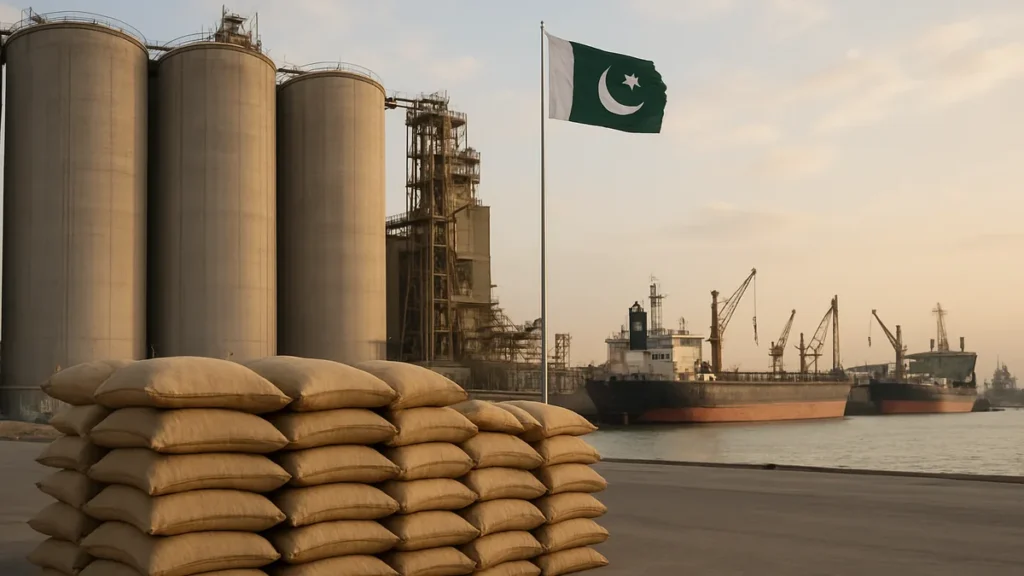
To prevent delays, the ECC approved priority berthing for vessels carrying imported wheat at relevant ports. These arrangements will be coordinated with the Ministry of Maritime Affairs and port authorities to minimise extra costs and ensure timely delivery.
Steering committee to supervise wheat import programme
The Steering Committee, headed by the Deputy Prime Minister, will retain overall supervision of the programme. The Ministry of National Food Security and Research will handle day-to-day monitoring and execution.