The Ojha Institute of Chest Diseases (OICD) at Dow University of Health Sciences (DUHS) in Karachi has been designated a World Health Organization (WHO) Collaborating Centre for Chest Diseases. The development is being viewed as significant for Pakistan’s healthcare and medical research sectors.
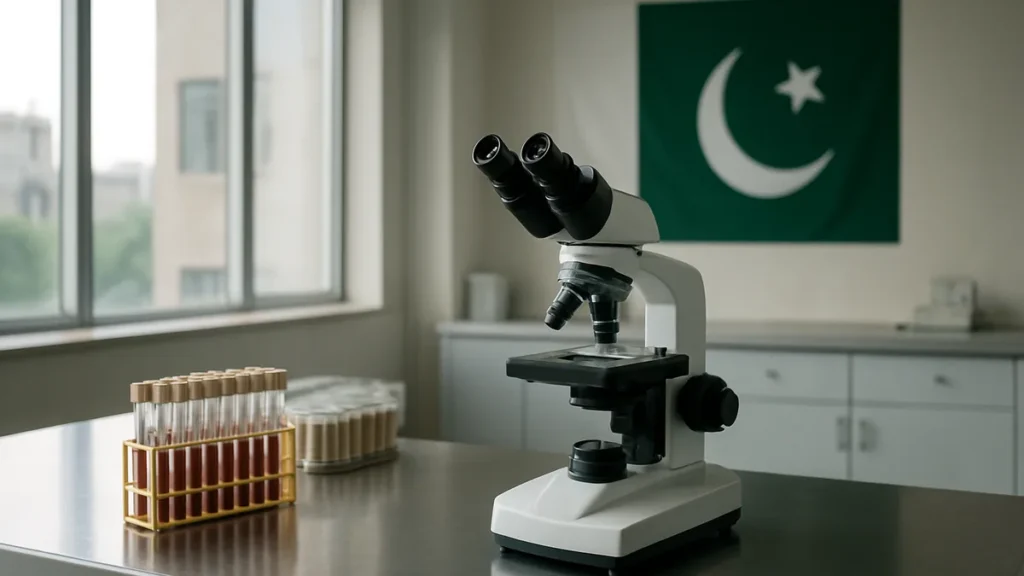
Under the designation, the institute will carry out an agreed technical programme with the WHO. The work will centre mainly on tuberculosis (TB) research, including the use of artificial intelligence (AI) to sharpen diagnostic services.
Training and diagnostic goals for the regional centre
The collaboration will also back specialised medical training and efforts to build healthcare capacity across the region. The institute is expected to play a central role in upgrading diagnostic facilities, advancing scientific research and developing more effective ways of tackling tuberculosis and other respiratory diseases.
Long history and current facilities at the institute
The institute began in 1939 as a sanatorium for tuberculosis patients. It joined Dow University of Health Sciences in 2003 and has since grown into one of Pakistan’s major centres for chest disease care, healthcare and medical education.
Today it has 270 beds, affiliated chest clinics, a provincial reference laboratory and a negative-pressure intensive care unit for pulmonary TB patients. It also runs accredited postgraduate training programmes in chest diseases and treats thousands of patients from Sindh and other provinces.
The designation is a major honour for Dow University and an important achievement for Pakistan’s medical and research fields. It is expected to open new avenues for international academic collaboration, advanced medical research and regional efforts against chest diseases, further strengthening Pakistan’s role in these areas.