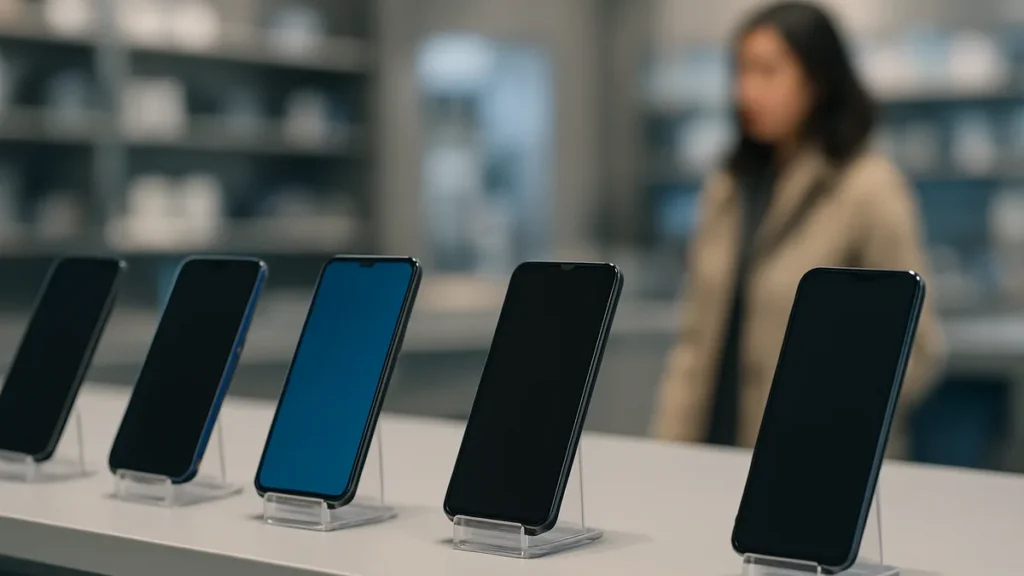
Global smartphone shipments fell 21.2 percent in the third quarter of 2026, dropping from 327.3 million units to 258.1 million, according to International Data Corporation (IDC). The research firm said this is the steepest quarterly fall it has ever recorded.
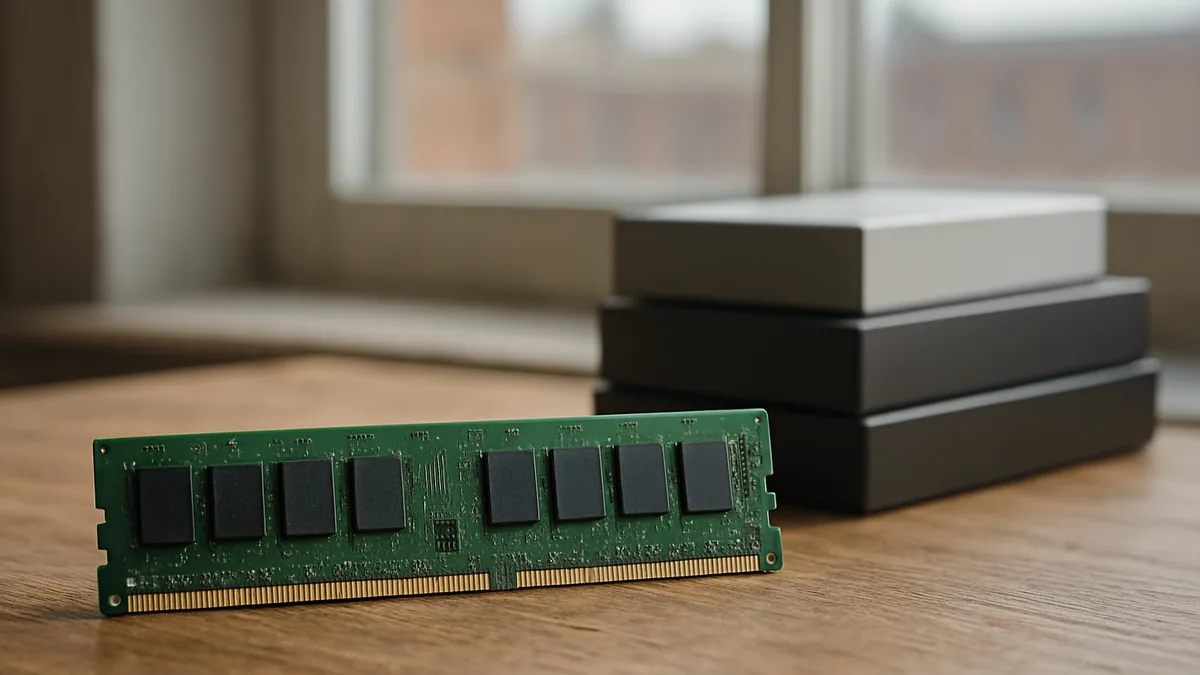
IDC linked the slump to a severe memory shortage caused by heavy demand from AI data centers. Higher component costs have pushed phone makers to raise prices and cut the number of models they sell.
Memory shortage pushes up costs and prices
Memory costs for smartphone makers have climbed by roughly 400 percent over the past year. Price rises eased to low double digits in the third quarter, following earlier jumps of 50 to 100 percent, while other components have also become dearer.
IDC senior research director Nabila Popal said the market has not yet hit bottom. She expects supply problems to keep weighing on the industry through 2027, with a recovery anticipated in 2028. IDC vice president Francisco Jeronimo added that shoppers are holding off for holiday discounts, while brands are trimming those discounts to protect profits.
Chinese brands hit hardest by the slump
Chinese manufacturers suffered the heaviest losses because they rely on selling lower-priced devices. Xiaomi’s shipments fell 29.2 percent to 30.7 million units, vivo dropped 31.2 percent to 19.2 million, and OPPO declined 36 percent to 25 million.
Samsung and Apple gain from premium models
Samsung remained the market leader with a 22.4 percent share, although its shipments fell 5.8 percent to 57.8 million units. Apple shipped 57.4 million iPhones, down 3.9 percent, yet still posted a record third-quarter share of 22.2 percent. Both companies benefited from strong premium lineups.
Counterpoint sees further declines through 2027
Counterpoint Research forecasts that total smartphone shipments will fall 13.9 percent in 2026 and a further 6 percent in 2027. It attributes this to memory suppliers prioritising AI servers, with LPDDR prices expected to rise again early next year. Brands are dropping unprofitable models and cutting lower-storage options, while buyers are keeping older phones longer or opting for refurbished devices.
Counterpoint expects Apple to slightly overtake Samsung in yearly shipments in both 2026 and 2027, and Huawei to grow 12 percent in 2026 on strong domestic demand and its HiSilicon chips. A 6 percent rebound is predicted for 2028, but volumes are likely to stay about 14 percent below 2025 levels through 2030. Counterpoint said 6G adoption later in the decade is expected to drive upgrades more than foldable phones or on-device AI.