Sindh Chief Minister Syed Murad Ali Shah has invited the Dawoodi Bohra business community to widen its investments in the province, set up new industrial ventures and team up with local entrepreneurs. Speaking at the Dawoodi Bohra Business Summit, titled Exploring Opportunities, on Saturday at An Nadi al Burhani in Karachi, he promised that his government would fully back the community in resolving real business concerns and would work to create a favourable climate for investors.
The chief minister said the Bohra community had been a long-standing partner in Sindh’s economic development. He credited it with significant contributions to trade, commerce, manufacturing and charitable work in Karachi and elsewhere in the province.
Sindh pitches its economic strengths to investors
Murad Ali Shah said Karachi, which he described as Pakistan’s commercial and financial hub, offered major advantages. He pointed to its two major ports, extensive industrial infrastructure, a large consumer market and rich agricultural and mineral resources.
Also read: Sindh CM Murad Ali Shah vows to empower local governments
He named several sectors with considerable investment potential, including:
- Manufacturing and textiles
- Food processing and pharmaceuticals
- Engineering and logistics
- Information technology and construction materials
- Renewable energy
The chief minister singled out the province’s Special Economic Zones, naming Dhabeji, Khairpur and Bin Qasim. He said Dhabeji’s location and its connection to Port Qasim could allow it to become a major industrial and economic centre. He also said the government’s aim was to draw investment that leads to factories, production, exports, jobs and lasting growth.
Government vows support and a standing dialogue
Murad Ali Shah acknowledged that investors want consistent policies, an easier process for doing business and confidence that their investments will be protected. He said his government was addressing these needs through investment facilitation, infrastructure development and Single Window arrangements.
He stressed that facilitation should go beyond meetings and presentations. According to him, support must continue at every stage, from identifying opportunities and obtaining approvals to setting up operations. He also directed that coordination between government departments and the business community be strengthened so that genuine investor concerns could be resolved and workable proposals moved forward.
Addressing the Bohra community directly, he noted that its ties to Karachi and other cities in the province stretched back generations. Urging members to see Sindh as a place to build their next generation of enterprises, he invited them to bring forward proposals, explore industrial zones, expand existing firms, adopt new technologies and partner with local entrepreneurs. He said his government was prepared to work with serious investors and to deal with difficulties within the law and applicable policies. He further proposed structured, ongoing dialogue between the Sindh government and the community to turn the summit into practical cooperation.
Investment portfolio and young entrepreneurs feature at summit
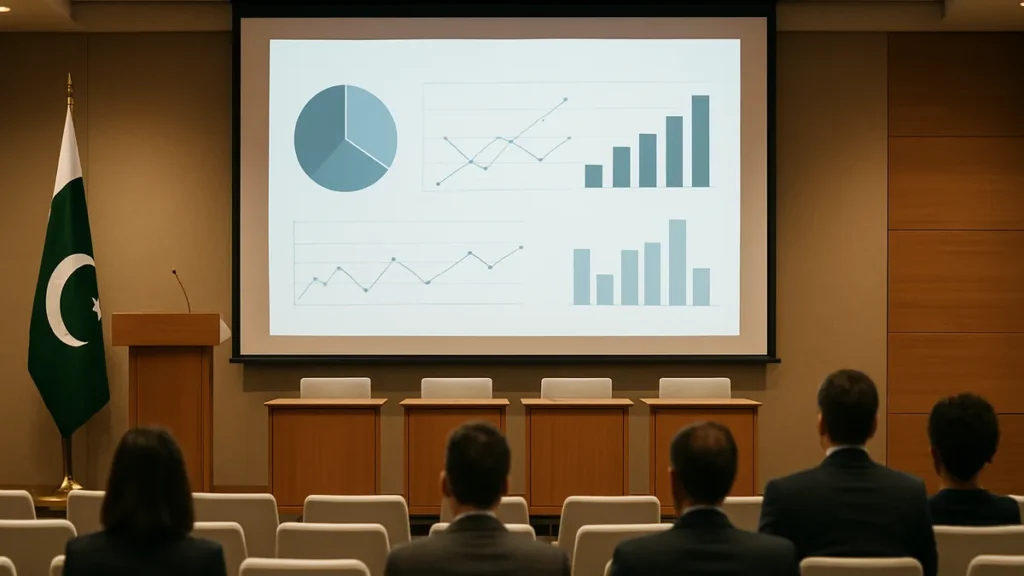
Earlier, Special Assistant to the Chief Minister on Investment and Public-Private Partnership Syed Qassim Naveed Qamar briefed participants on a diversified project portfolio worth approximately $5.2 billion. He said projects worth $600 million had already been completed, while $650 million worth were under construction and $370 million were seeking investors. Projects worth around $2 billion were still at the feasibility stage.
Syed Qassim listed Keti Bandar, the Karachi Circular Railway, wastewater treatment, green energy for data and artificial intelligence infrastructure, industrial zones, tourism, and food and agriculture as key opportunities. He also described the Sindh Enterprise Development Fund’s role in supporting small and medium enterprises through financing, technical help, feasibility studies and investment facilitation.
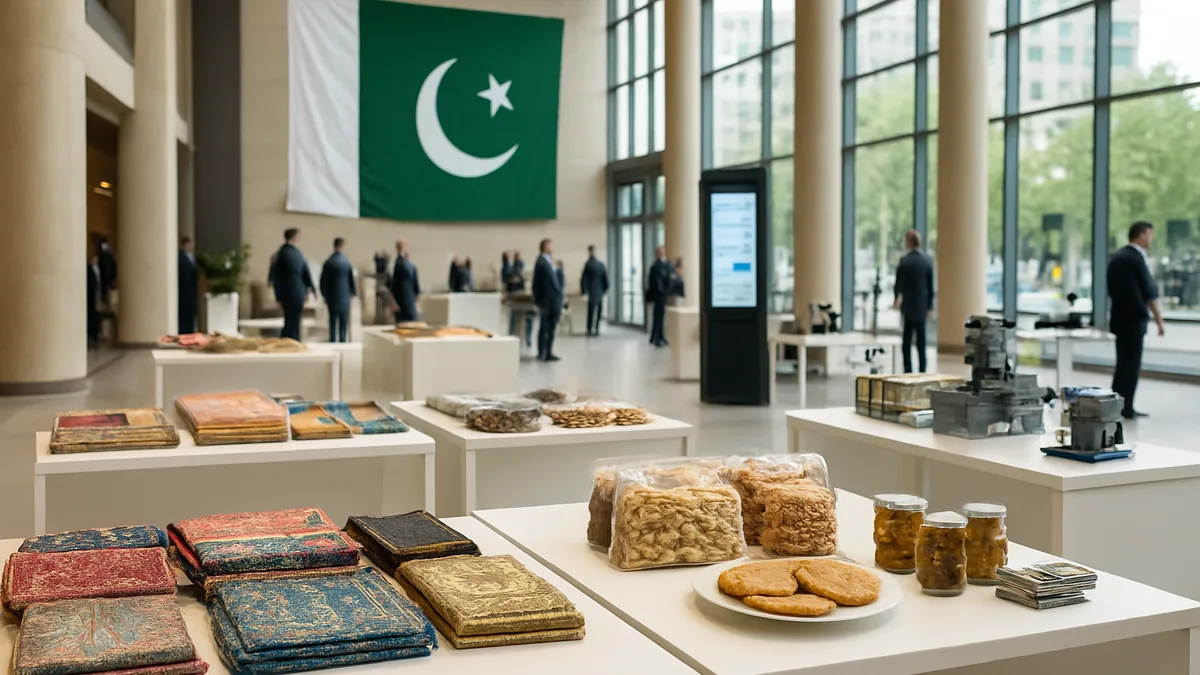
The summit also showcased ten young entrepreneurs who had done well in the department’s flagship initiatives, Tijarathon and Kidpreneurs. They pitched their business ideas to guests, and a digital business directory was launched to help participants connect with customers, suppliers, service providers and partners. Murad Ali Shah urged investors to look at modern manufacturing, digital services, renewable energy and value-added agriculture, saying, “Let us move from exploring opportunities to building partnerships, from partnerships to investment, and from investment to employment and prosperity.” During the event he also toured exhibition stalls, spoke with exhibitors and reviewed their products.