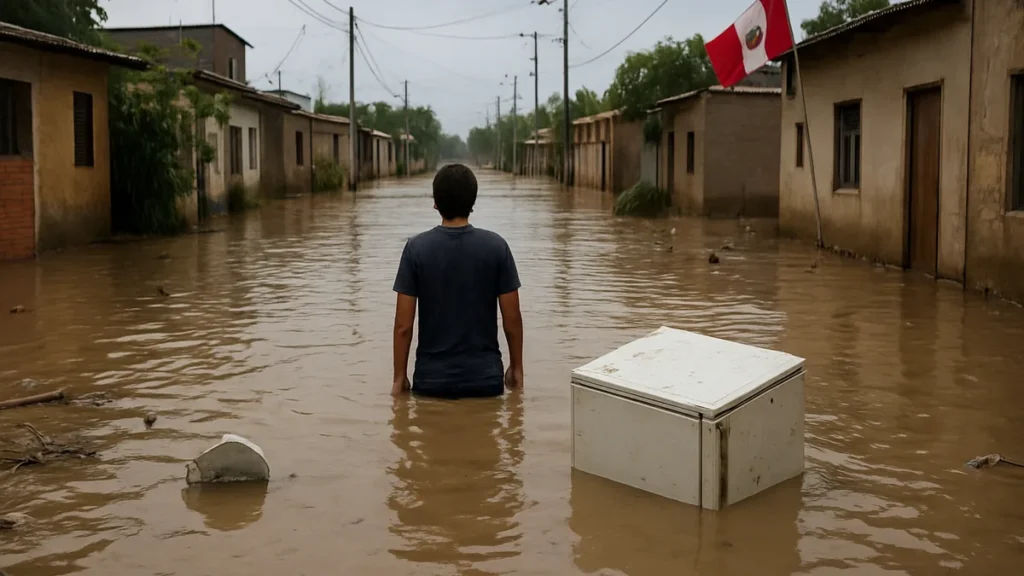
Heavy rains tied to an exceptionally strong El Nino have flooded several cities in Peru and Ecuador. In Piura, the capital of Peru’s northern Piura region, water reached waist height after 12 hours of heavy rain that started on Thursday.
Several Latin American countries, including Peru and Ecuador, have declared national emergencies because of El Nino. Officials in both countries are now reporting deaths, displaced patients and widespread damage.
Piura flooding hits families, hospital and city centre
Luis Vasquez, chief of the National Institute of Civil Defense, told RPP radio that preliminary reports show some 2,000 families were affected by the rains in Piura.
Resident Pierre Garavito described the scene in the Santa Margarita neighbourhood, where a refrigerator was floating inside his home. “This is just the first heavy rain from the El Nino phenomenon and look at how it’s treating us,” he said. He added, “I’ve lost everything … This is how all the residents in the neighbourhood are.”
Floodwaters forced authorities to move patients from the respiratory infections ward at Jose Cayetano Heredia Hospital into its auditorium. Patients in more serious condition were taken to intensive care.
The water also reached the Plaza de Armas in central Piura, along with numerous businesses and public buildings.
Pumping delays and fuel shortages slow the clean-up
Peru’s armed forces have sent personnel and pumping equipment to drain water from the worst-affected neighbourhoods. Some residents, however, complained of delays, and some machines reportedly stopped because they ran out of fuel.
Peru’s National Meteorology and Hydrology Service has warned that moderate to heavy rain could continue in parts of the region over the next four days.
The Peruvian navy blamed El Nino for heavy ocean swells that recently damaged infrastructure along the Pacific coast. The swells also forced dozens of ports to close temporarily.
President Keiko Fujimori postponed a trip to Colombia to deal with the crisis, and said she plans to travel to the affected areas.
Ecuador reports deaths as Manta residents wade through floods
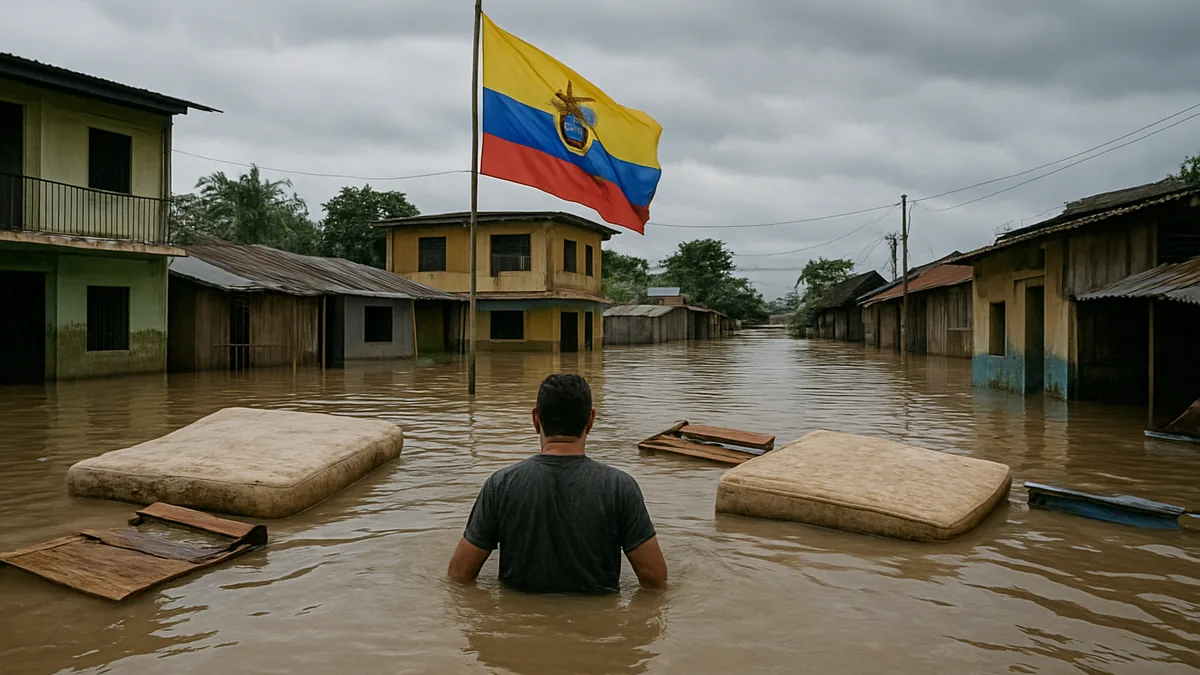
In Ecuador, the National Secretariat for Risk Management reported on Friday that 34 people had died and 47,000 had been affected by El Nino-linked rains across the country.
In the western city of Manta, residents waded through water up to their chests and used mattresses to float after two rivers burst their banks.
Fernanda Navarrete, who lost furniture, clothes and appliances, said, “We’ve been soaking in mud for four days.” She added, “To top it all off, the sewers burst; the stench is awful.”
El Nino’s global reach and UN hunger warning
El Nino involves a rise in sea surface temperatures across the central and eastern equatorial Pacific Ocean, which shifts wind and rain patterns around the world. This year’s episode is projected to be the strongest on record and has already been linked to severe weather across the continent and beyond.
On Friday, United Nations agencies said hunger was set to worsen significantly in 16 global hotspots over the coming six months. They said the main drivers are armed conflict and extreme weather, including El Nino.
The Food and Agriculture Organization (FAO) and the World Food Programme (WFP) warned that Sudan, South Sudan, Somalia, northern Nigeria and Yemen face the greatest danger.