The United States has held several rounds of discussions with Iranian representatives, according to US envoy Jared Kushner, who also said President Donald Trump has not ruled out more military action against Tehran. Kushner made the remarks in an interview with Mathias Dopfner on the MD Meets podcast. He said he had taken part in diplomatic efforts led by US Vice President JD Vance and had met Iranian officials on a number of occasions.
Asked about the possibility of renewed American military action against Iran, Kushner said: “President Trump always keeps all his options on the table.” He added that Trump remained focused on the conflict and had put together a team to deal with the crisis. The uncertainty over whether a negotiated settlement can be reached remains considerable.
Kushner criticises European response to Iran conflict
Kushner also voiced frustration with the support Washington has received from its European partners. He said the Europeans expect a great deal from the United States. He added that their response to the situation involving Iran had not impressed him.
Also read: Iran says open to diplomacy as Trump rejects its terms · Iran seeks $290 billion in damages from the United States
His comments came as the broader diplomatic picture remained uncertain. Washington has sought backing from allies while continuing its own contacts with Tehran through intermediaries.
Ghalibaf sets seven conditions before any further talks
Iranian Parliament Speaker Mohammad Baqer Ghalibaf rejected the idea of further negotiations with the United States until Tehran’s seven conditions are met. He also warned that renewed US military action could spread the conflict beyond its current geographical limits. Speaking during a public session of parliament on Tuesday, he criticised recent remarks by Trump and other US officials.
Ghalibaf accused Washington of depending on threats and economic pressure because, in his words, it was unable to confront Iran effectively. He described Tehran’s position on negotiations as “clear and firm.” He said Iran would not take further steps towards diplomacy unless its demands were fulfilled. “As we have stated previously, no steps will be taken and no negotiations will be held until Iran’s seven conditions are fulfilled,” he said.
The speaker also affirmed that Iran was prepared to respond to any renewed US military aggression. He warned that the conflict could widen if Washington resumed attacks on Tehran.
Tanker fires and warnings in the Strait of Hormuz
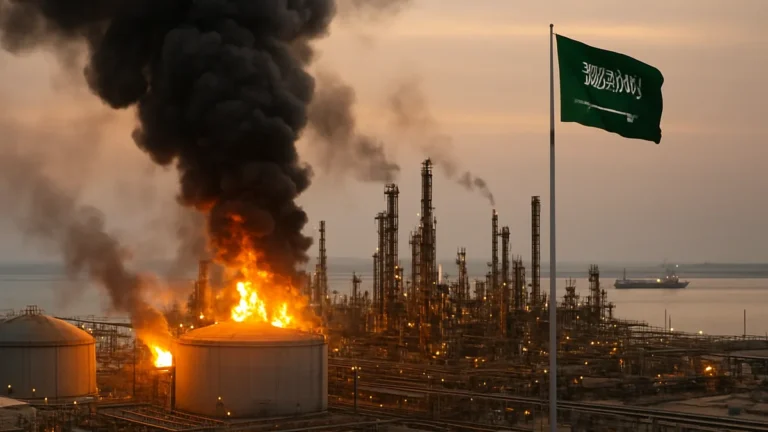
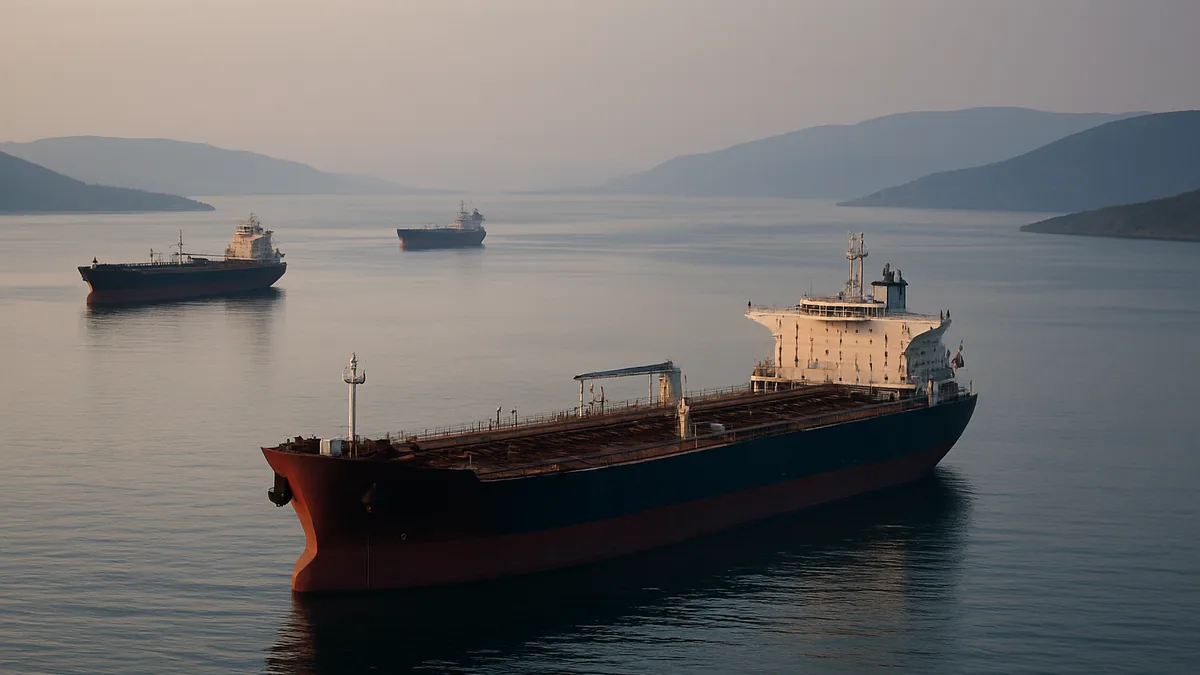
Iran’s Islamic Revolutionary Guard Corps (IRGC) Navy said on Wednesday that two oil tankers had caught fire after hitting naval mines in the Strait of Hormuz. The claim was carried in a statement broadcast by Iranian state media. The IRGC warned ships not to pass through the strategically important waterway without prior coordination with Iranian authorities, according to Reuters.
Tehran has said normal maritime traffic through the strait will not resume until Washington meets its demands. These include lifting the US naval blockade of Iranian ports and ending hostilities across the region. Disruption to shipping in the strait has become a major worry for international energy markets, and the conflict has placed heavy economic strain on countries that import oil.
Efforts to reach a lasting agreement between Washington and Tehran have continued through international mediators, though major differences over the terms for ending the war remain. Negotiations involving Qatari mediators ended earlier this month without a breakthrough. According to Reuters, the proposals under discussion included easing restrictions on Iranian oil exports, lifting the US naval blockade and restoring maritime traffic through the strait. Qatar’s prime minister has also warned against renewed escalation, saying the Middle East cannot withstand another confrontation between Washington and Tehran, reported on Monday.
Pakistan’s part in the ceasefire and Islamabad talks
The war began on February 28 after joint US-Israeli strikes against Iran, and other countries in the region were later drawn into the conflict. Pakistan brokered a ceasefire between Washington and Tehran on April 8. It then hosted direct negotiations in Islamabad on April 11 and 12.
Those talks ended without a comprehensive agreement, but diplomatic contacts continued at later meetings in Switzerland and Qatar. Differences over sanctions, maritime restrictions and the conditions for a permanent halt to hostilities still stand in the way of a negotiated settlement.