Federal Minister for Finance and Revenue Senator Muhammad Aurangzeb has called for comprehensive power sector reforms aimed at promoting competition, attracting private investment, improving efficiency and keeping electricity affordable for consumers. He made the call while chairing a meeting of the Steering Committee on Power Sector Regulatory Regime at the Finance Division in Islamabad, according to a Finance Ministry statement issued on Saturday.
The meeting was held to review progress on proposed reforms and recommendations prepared by the Technical Working Group (TWG). It formed part of the government’s wider effort to build a regulatory and market framework covering households, businesses and industries.
Rules for distribution companies and electricity suppliers
The committee was briefed on the TWG’s work, which covers tariff methodology, regulatory certainty, investment incentives, performance benchmarks and the future structure of the electricity market. Discussions focused on a framework that would address investors’ concerns while protecting consumers and strengthening the long-term financial sustainability of the sector.
Also read: IMF urges Pakistan to lift investment, exports and reforms
A key point was the need for clear, transparent and predictable rules for distribution network operators (DNOs) and competitive electricity suppliers. The committee examined proposals on investment approvals, monitoring of investment plans, service and performance standards, transmission and distribution losses, conflict-of-interest safeguards and the scope of additional commercial activities.
Participants also stressed the need to define clearly the responsibilities of the National Electric Power Regulatory Authority (NEPRA) and the Competition Commission of Pakistan (CCP), so that regulatory overlaps are avoided. The committee further reviewed ways to strengthen incentives under the Multi-Year Tariff (MYT) framework. These include mechanisms that would reward gains in operational efficiency, service quality and reductions in distribution losses.
Returns on equity, inflation-related adjustments and the sharing of efficiency gains were also covered. The aim, according to the statement, is to balance commercially viable investment incentives with consumer protection. Participants emphasised that improvements in efficiency should translate into tangible benefits for electricity consumers.
Surplus capacity and falling grid demand shape market plans
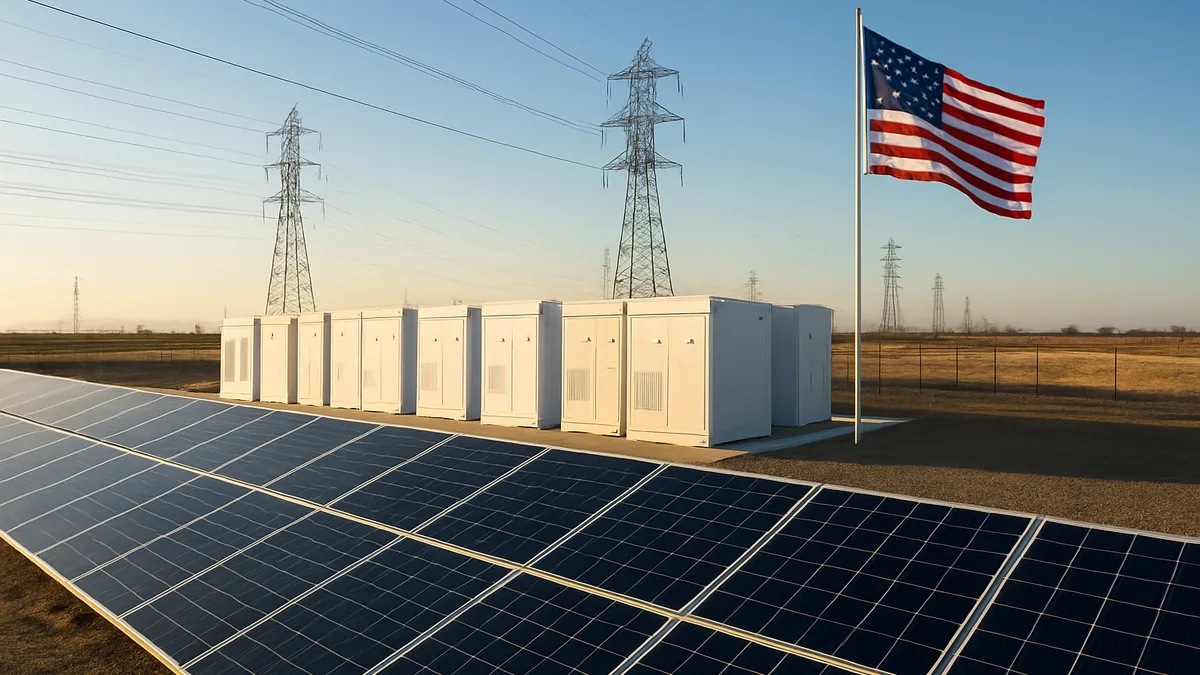
The meeting also considered changes in Pakistan’s electricity market, particularly rapid solarisation, battery storage and shifting consumption patterns. The committee looked at the challenges posed by excess generation capacity and declining demand from the national grid. It also examined how capacity-payment obligations were adding pressure on electricity tariffs.
In this context, the committee discussed proposals to adapt the Competitive Trading Bilateral Contract Market (CTBCM) framework to the country’s changing energy landscape. One option put forward was aligning existing supply obligations and consumer demand with distribution companies that are undergoing privatisation, which could be a pathway towards a more competitive market. Participants said the imbalance between available generation and actual consumption must be addressed without further increasing the financial burden on grid-connected consumers.
The proposed arrangements could give competitive suppliers more flexibility to design tariff structures, improve efficiency and make better use of existing generation capacity. However, the statement said their implications for existing power purchase agreements, capacity-payment obligations and uniform tariff arrangements would need further examination.
Minister seeks realistic roadmap and asset arrangements
Aurangzeb stressed that lowering electricity costs, improving service delivery and ensuring the financial sustainability of the power sector must remain the central goals of the reform process. He said Pakistan’s changing energy landscape called for practical, forward-looking solutions suited to the country’s specific challenges. He added that the reforms should create a viable environment for private investment while keeping electricity affordable and competitive.
The committee also discussed the pace and sequencing of the move towards a competitive retail electricity market. Participants called for a realistic implementation roadmap that takes into account regulatory and institutional readiness, consumer protection and investor confidence. They said the urgency of reform had to be balanced with the practical needs of market preparedness.
The meeting also reviewed proposed arrangements for handling the residual assets and liabilities of distribution companies being privatised. These include land, receivables, pension obligations and pending litigation. The finance minister called for a pragmatic and cost-effective institutional setup that would manage these responsibilities without unnecessary duplication.
The committee agreed that further work was needed on certain technical and policy aspects of the framework. Aurangzeb directed the relevant teams to identify outstanding issues, including areas where views differ, and to present well-considered recommendations to the steering committee. He also called for continued coordination with NEPRA and other stakeholders so that the final framework is technically sound, legally robust and practical to implement. He reiterated the government’s commitment to advancing reforms within clear timelines.
The meeting was attended by the following:
- Federal Minister for Power Sardar Awais Ahmad Khan Leghari
- Special Assistant to the Prime Minister on Energy Lieutenant General Muhammad Zafar Iqbal
- Minister of State for Finance and Railways Bilal Azhar Kayani
- Adviser to the Prime Minister on Privatisation Muhammad Ali
- Chairman NEPRA
- Senior Finance Division officials and representatives of relevant public sector institutions and other stakeholders