US President Donald Trump said he wants to secure a lasting agreement with Iran and will not allow Tehran to acquire a nuclear weapon. His comments came as diplomatic efforts to end the war continued alongside fresh military and shipping incidents in the Gulf.
In an interview with a US television programme called Saturday in America, Trump said he cared less about regime change in Iran than about making sure any agreement survives future American administrations. Asked about Iran, he said, “Well, I never cared too much about the regime,” adding that some people had pushed for regime change.
Trump outlines his case for a permanent Iran agreement
Trump said he had already removed two regimes and was now dealing with a third group of Iranian leaders, which he described as the ultimate regime change. He added that the current Iranian leadership was “probably” more reasonable, although negotiations remained difficult.
Also read: Iran says open to diplomacy as Trump rejects its terms · Iran and Oman foreign ministers discuss Hormuz shipping
He accused Tehran of breaking agreements repeatedly and said Washington would pursue an arrangement that a future president could not reverse. Trump argued that even a weak or incompetent successician in the White House, whether four, 15 or 20 years from now, would be unable to undo the deal.
Qatari mediation and rival claims over an F-16 incident
An Iranian official confirmed that a Qatari delegation had held talks in Tehran on Friday night. Deputy Foreign Minister Kazem Gharibabadi said Tehran was still in contact with mediators, including Qatar, both in person and virtually, to see whether diplomacy could be given another chance. He spoke according to the semi-official Tasnim news agency.
Qatar has long maintained ties with both Iran and the United States and has used those relationships to help facilitate dialogue in regional disputes. Foreign Minister Abbas Araqchi told the state-owned Iran newspaper that Tehran still hoped diplomacy could end the conflict. Trump has previously said Iran wanted a deal but that the terms Tehran was seeking were unacceptable to Washington.
Military tensions also continued. US Central Command rejected an Iranian account that its air defence systems had hit an American F-16 fighter over the Gulf, damaging the jet and forcing an emergency landing. Iranian state media had earlier said the aircraft was targeted on Friday evening, aborted its mission and landed at a nearby airport.
Central Command said in a statement that Iran had not attacked any US F-16 and that American fighter jets in the Middle East were safe and accounted for. Iran’s army had released a video claiming a missile was fired at an F-16 over the Persian Gulf on November 20. Iran has made similar claims during the war about shooting down or damaging US aircraft, and the American military has denied each one.
Two tanker incidents reported near Oman’s Khasab
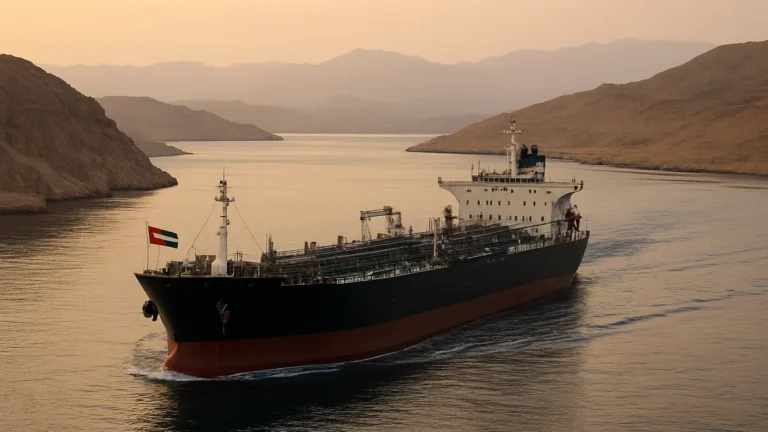
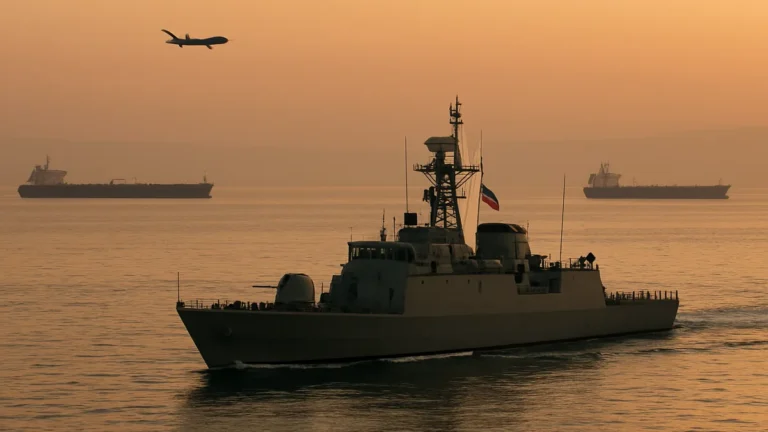
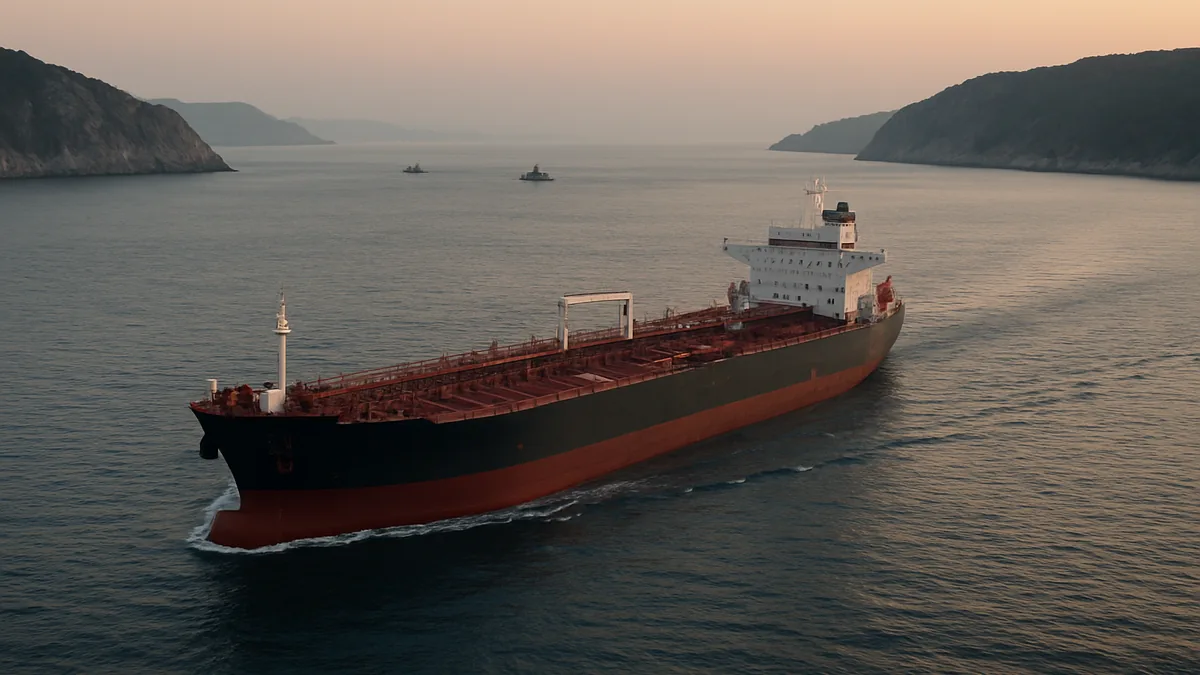
The United Kingdom Maritime Trade Operations (UKMTO) reported two incidents involving tankers near Oman’s Khasab on Saturday. In the first, a tanker sailing outbound through the Strait of Hormuz was struck on its stern by an unidentified projectile about 11 nautical miles north of Khasab.
The British maritime agency later reported that a tanker was hit in its engine room by an unidentified projectile roughly 17 nautical miles east of Khasab. It was not immediately clear whether both reports involved the same vessel. The agency said no casualties were reported in either incident, and the environmental impact was unknown.
Separately, Iran’s navy said an oil tanker had caught fire after hitting a naval mine in a restricted area east of the Strait of Hormuz. It was not possible to independently verify the Iranian account or establish whether it referred to either UKMTO incident. The British agency had also reported an attack on a tanker near Khasab on Friday that caused a fire on board.
Tehran has imposed restrictions on vessels seeking to pass through the strait and has attacked ships it says broke those rules. The moves are seen as an effort to assert control over the waterway and increase pressure on Washington. Khasab lies on Oman’s Musandam Peninsula at the strait’s entrance, a route that carried nearly one-fifth of the world’s crude oil supplies before the war.