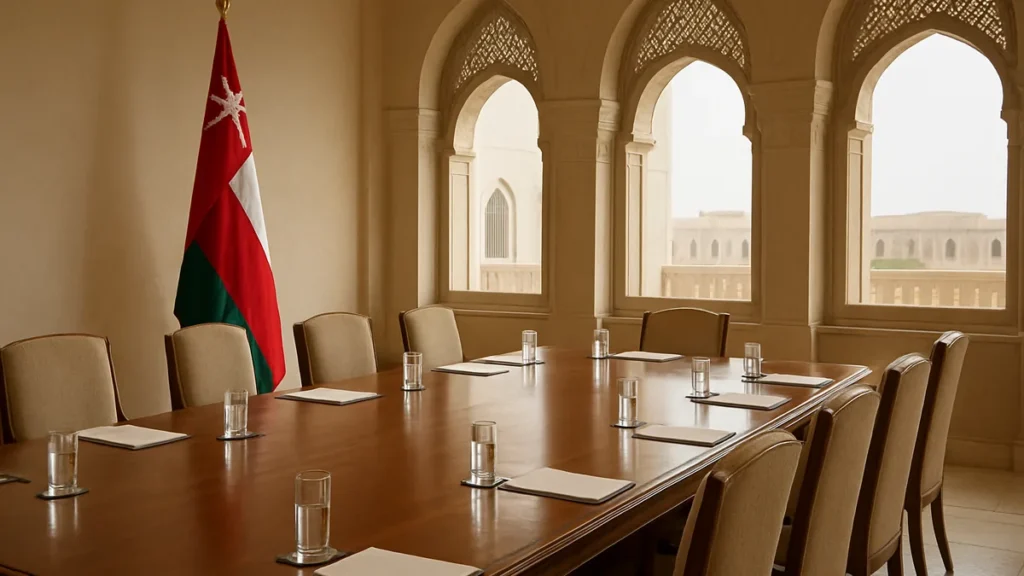
Iranian Foreign Minister Abbas Araqchi is set to travel to Muscat on Tuesday for talks with his Omani counterpart, Sayyid Badr Albusaidi. The trip comes as efforts to end the war with the United States remain stuck. Iran’s state news agency IRNA reported the visit on Sunday, citing Foreign Ministry spokesperson Esmaeil Baghaei.
No further details of the agenda have been announced. The visit also takes place while tensions over the Strait of Hormuz, a strategically vital waterway, continue to threaten regional security. Questions remain over the conditions under which talks between Tehran and Washington could resume.
Oman’s role in restoring safe passage through Hormuz
Oman has stayed in contact with Iran about arrangements to restore safe and uninterrupted navigation through the Strait of Hormuz. In a telephone conversation on November 5, Albusaidi and Araqchi discussed diplomatic contacts aimed at reaching practical and technical understandings to allow shipping to resume without obstruction.
The two ministers also stressed that the parties must move beyond temporary de-escalation. They called for lasting arrangements that would protect maritime traffic and prevent a return to fighting.
Drone incidents in Bahrain raise fears of renewed fighting
Bahrain said on Sunday that its air defences had intercepted several Iranian aerial attacks. The move followed a claim by Iran’s Revolutionary Guards that they had launched six drones at a US air-defence radar facility at the Al-Rifaa helicopter base, which hosts American forces. Iran described the strike as retaliation for what it called hostile US actions.
Neither Washington nor Bahrain immediately confirmed that the drones had hit their intended target. Bahrain condemned Tehran’s actions and urged residents to seek shelter. Tehran separately said it had struck a US military base in the Gulf kingdom, a claim that came amid uncertainty over a deal to end the US-Israeli war on Iran.
An earlier Iranian drone attack, claimed on Friday, targeted a US early-warning radar facility in Bahrain. US Central Command said it had intercepted two drones with no damage or injuries. The conflict began with US and Israeli strikes on Iran on February 28, and recent exchanges have raised concerns that it could flare again after a period of relative calm.
US President Donald Trump has suggested he may hold off on further attacks if Iran does not carry out new provocations. Washington, however, continues to maintain a naval blockade of Iranian ports.
Ghalibaf rejects an open-ended standoff and sets out conditions
Iran’s Parliament Speaker Mohammad Bagher Ghalibaf said on Sunday that Tehran would not allow the situation of “neither war nor peace” to continue indefinitely. He warned that any fresh US miscalculation could lead to a wider confrontation. Addressing an open session of parliament, he said Iran was prepared for either negotiations or war, and that an agreement remained possible if Washington accepted Tehran’s seven conditions.
“We do not care whether the US wants negotiations or war,” Ghalibaf said, adding that acceptance of Iran’s conditions would open the way to a deal. He also said that if the United States made another mistake, Iran’s armed forces would determine the geography of any future battlefield. President Masoud Pezeshkian has likewise called for an end to the uncertainty, while saying Tehran is ready for talks based on dignity, justice and equal conditions.
Iranian officials have repeatedly referred to seven conditions that Washington must meet before negotiations can move forward. Tehran has not published an authoritative list, and different officials have described the demands in varying terms. According to public statements, the conditions broadly include:
- an end to hostilities on all fronts
- the lifting of US sanctions and the naval blockade of Iranian ports
- the release of frozen Iranian assets
- guarantees against further attacks
Iran has also tied the restoration of commercial shipping through Hormuz to the wider negotiations, while insisting on keeping a role in arrangements governing navigation through the waterway. Ghalibaf said earlier this week that Tehran had passed its position to Washington through a Qatari mediator and was waiting for a formal reply.
On November 9, Iran defended a proposal to resume peace talks within two days. It said the United States should first lift its naval blockade and sanctions and agree to end the war on all fronts. Iran’s latest proposal also called for commercial shipping through Hormuz to resume within 48 hours if Washington lifted the blockade, ended hostilities on all fronts and released Iranian assets abroad. US Secretary of State Marco Rubio had dismissed some of Tehran’s demands as unacceptable.
The disagreement over these conditions has become a major obstacle. Washington is unwilling to accept several of Tehran’s demands, while Iran refuses to enter talks without the blockade and sanctions being addressed.
Starvation accusations and pressure on Red Sea shipping
Separately, Baghaei accused the United States of threatening to starve the Iranian population through its economic pressure and naval blockade. In a statement posted on social media on Saturday, he referred to remarks by Rubio that Iranians would eventually have to eat and would need to reach an agreement to end the economic pressure. Baghaei described those remarks as an open threat to deprive Iranians of food, and he accused Washington of admitting to policies that amounted to war crimes.
He added that decades of sanctions, threats, coercion and military aggression had failed to force Iran into submission. The US administration has maintained that its pressure campaign is meant to compel Tehran to accept terms for ending the conflict and restoring maritime security.
The standoff over Hormuz is unfolding alongside developments in the Red Sea. Yemeni government forces, which are backed by Saudi Arabia and fighting for the internationally recognised government, said on Sunday they were withdrawing from an area overlooking the strategic Bab el-Mandeb Strait, leaving the Iran-aligned Houthis in control. The Saudi-led coalition said it had intercepted Houthi missiles and drones aimed at Saudi Arabia.
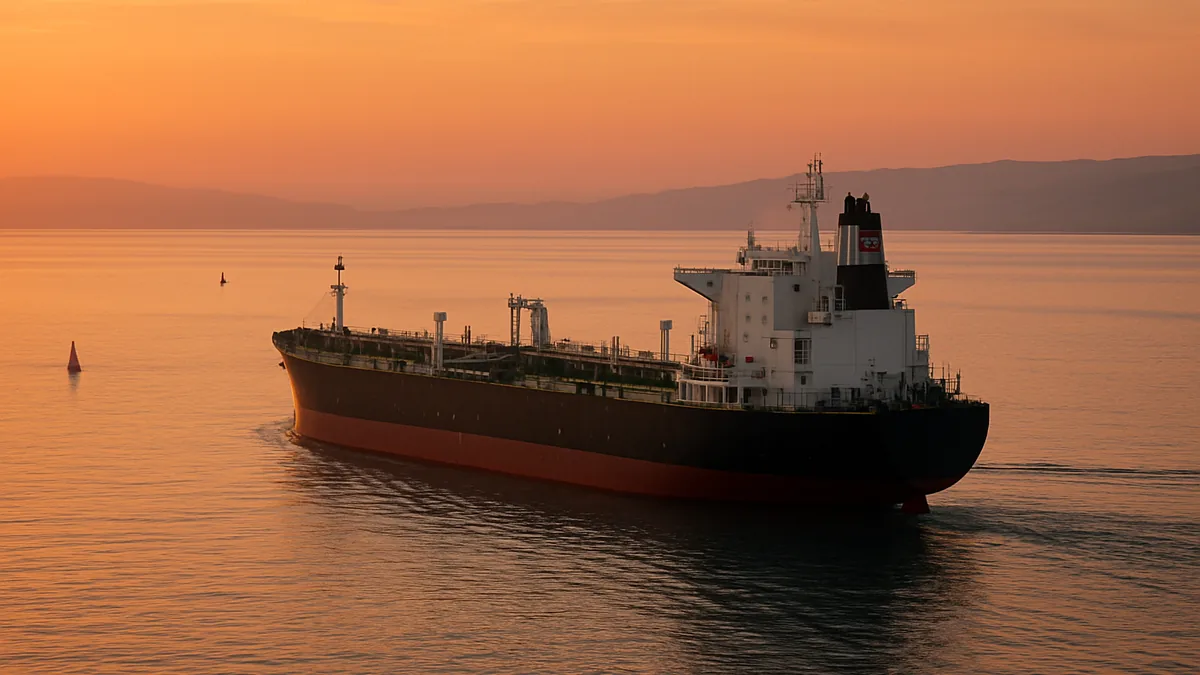
Hormuz is a major route for Gulf oil exports, while Bab el-Mandeb links the Red Sea with the Gulf of Aden and provides access to the Suez Canal. Pressure on both chokepoints could complicate efforts by Gulf oil producers to keep exports flowing and could raise the risks facing commercial vessels in the region. Araqchi’s planned visit to Oman offers another chance for consultations as the military standoff between Iran and the United States continues.