
The United States Treasury Department has removed sanctions on Jorge Rodriguez, who heads Venezuela’s National Assembly and is the brother of the country’s interim President, Delcy Rodriguez. A delisting notice posted on the website of the Treasury’s Office of Foreign Assets Control (OFAC) on Wednesday removed his name from the Specially Designated Nationals (SDN) blacklist.
The decision arrives as Washington and Caracas pursue significant energy agreements and hold wider talks with the Latin American government. Officials have not presented the move as a separate policy shift, and the notice itself is the main public record of the change.
Rodriguez’s career and earlier US restrictions
Jorge Rodriguez has served as National Assembly president since 2021 and was reappointed in January. That reappointment came a few weeks after former President Nicolas Maduro was abducted by the US government. He previously served as vice president under the late President Hugo Chavez, among other posts.
Both Rodriguez siblings had been sanctioned during the first administration of US President Donald Trump, due to their ministerial roles under Maduro. Maduro now faces several federal charges, including a sweeping superseding indictment that adds torture to other alleged crimes. In 2018, the State Department said Maduro had given Jorge Rodriguez prominent government positions to help him keep power and strengthen his authoritarian rule.
Washington’s diplomatic recognition and negotiations
A source familiar with the matter said the lifting of sanctions on Jorge Rodriguez forms part of Washington’s broader diplomatic recognition of the interim Venezuelan government. The source also linked it to Trump’s three-phase plan for stabilising Venezuela and managing its political transition.
At a press briefing at the State Department on Friday, Secretary of State Marco Rubio told reporters that the next round of negotiations over Venezuela’s future was set to begin on Wednesday. He urged all Venezuelan opposition factions to take part in the US-backed political talks with the interim president.
Earlier this year, the Treasury lifted sanctions on Delcy Rodriguez and later eased restrictions on Venezuela’s central bank and its state-owned national airline. Analysts following the file have read these steps as a shift from economic pressure toward closed-door bargaining, and Delcy Rodriguez has largely met Trump’s demands that Caracas open its energy sector to American companies.
Election timetable and oil access deal
Delcy Rodriguez has promised to hold elections, including in recent remarks at the United Nations General Assembly, but no firm date has been fixed. Opposition leader and Nobel Peace Prize winner Maria Corina Machado has demanded that the vote take place by July.
Jorge Rodriguez has guided several major reforms through the ruling party-controlled legislature since his sister took office. These include a law that made it easier for more foreign oil companies to enter the country, a similar law for the mining sector, and an effort to allow private investment in the battered power grid.
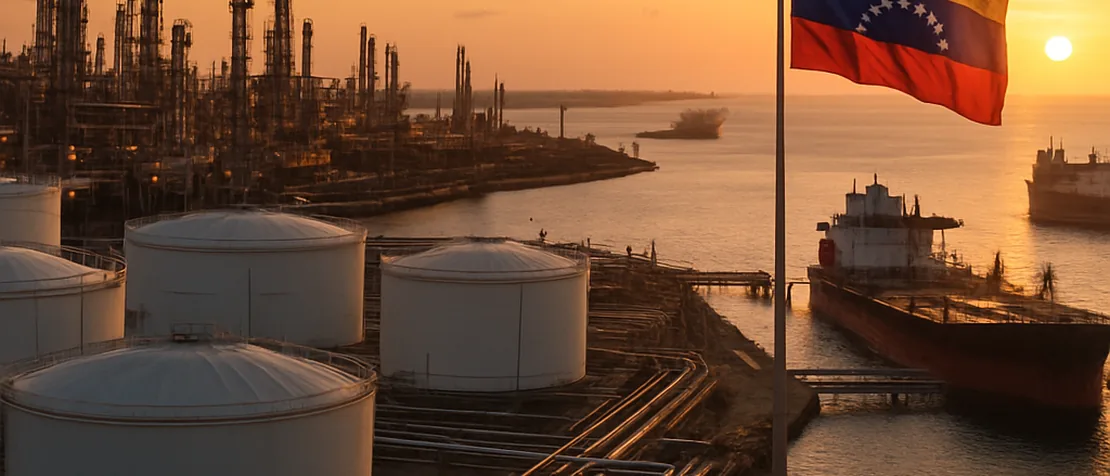
Since Maduro’s ouster, Caracas and Washington have agreed a deal giving the US access to 17 Venezuelan oil fields, and international energy firms have separately committed to expanding projects in the country. In August, Trump announced a plan to secure direct US access to a large share of Venezuela’s vast oil output to refill the US Strategic Petroleum Reserve.