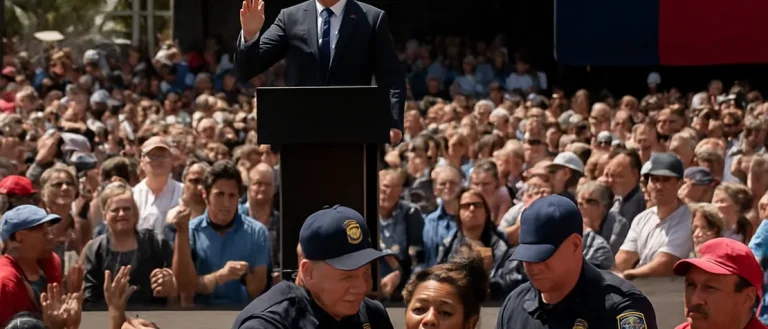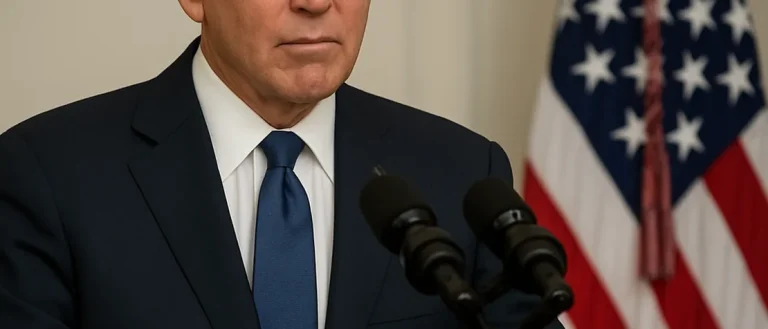



In a significant development, former President Donald Trump has unveiled a voluntary agreement aimed at artificial intelligence companies, encouraging them to adopt self-regulatory measures. This initiative comes at a time when there is increasing public and governmental pressure for more stringent safety regulations on AI technologies. By promoting a self-policing framework, Trump seeks to balance innovation with responsible oversight without imposing mandatory government controls.
The announcement reflects ongoing debates about how best to manage the rapid advancement of AI, which has raised concerns about ethical use, privacy, and potential risks. Trump’s approach contrasts with proposals advocating for comprehensive legislative action, instead placing trust in the industry to monitor and mitigate potential harms. This voluntary pact could influence how AI development proceeds in the United States, potentially shaping future regulatory landscapes.
Meanwhile, the AI sector continues to expand rapidly, with companies pushing the boundaries of machine learning and automation. The success or failure of this self-regulatory model may have broad implications for technological innovation and public safety. Observers will be watching closely to see whether this voluntary framework can effectively address the challenges posed by AI or if more formal regulations will become inevitable.