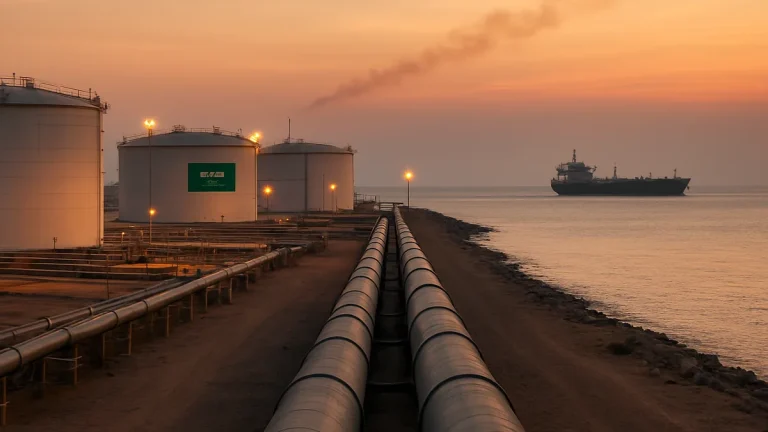
Iran has reiterated its firm position regarding the strategic waterway, refusing to yield control despite mounting international pressure. This stance comes at a time when global energy markets are highly sensitive to geopolitical developments, particularly in regions critical to oil transportation. The Strait in question is a vital chokepoint for global oil shipments, making Iran’s defiance a significant factor in energy security discussions worldwide.
Meanwhile, former U.S. President Donald Trump has addressed American citizens, urging them to come to terms with the reality of elevated gasoline prices. His remarks highlight the broader economic impact of geopolitical tensions on everyday consumers, especially in the United States where fuel costs directly affect household budgets and transportation expenses. Trump’s comments underscore the challenges faced by policymakers in balancing energy supply concerns with domestic economic stability.
In a significant development, the ongoing standoff over the strait not only influences regional security but also has far-reaching implications for global energy markets and international diplomacy. The situation exemplifies how regional disputes can escalate into broader economic challenges, affecting countries far beyond the immediate area. Observers continue to monitor the evolving dynamics closely, as any disruption in this critical passage could lead to further increases in global fuel prices and heightened geopolitical risks.