



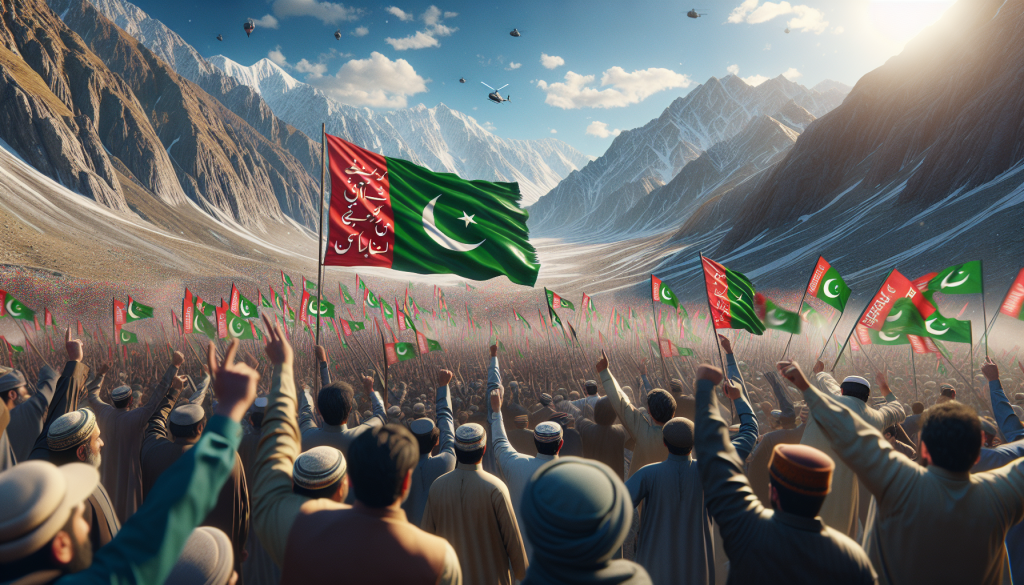
The Pakistan Peoples Party (PPP) has dealt a substantial blow to the Pakistan Tehreek-e-Insaf (PTI) in Gilgit-Baltistan, marking a pivotal shift in the region’s political dynamics. This development comes amid heightened competition as parties vie for influence in this strategically important area. Gilgit-Baltistan, with its unique administrative status and geopolitical significance, often serves as a bellwether for broader political trends in northern Pakistan.
Notably, the PPP’s success reflects growing voter confidence in its policies and leadership, contrasting with challenges faced by PTI in maintaining its foothold. The region’s electorate has historically been influenced by local issues such as development, governance, and representation, which appear to have favored PPP’s campaign strategies. This outcome may also impact future alliances and power balances within Gilgit-Baltistan’s legislative assembly.
In a significant development for Pakistan’s political landscape, the PPP’s triumph in Gilgit-Baltistan could influence national politics by altering party dynamics and voter alignments. Meanwhile, PTI will need to reassess its approach to regain support in this critical region. The election results underscore the evolving nature of political competition in Gilgit-Baltistan, highlighting the importance of regional politics in shaping the country’s overall governance framework.

Leave an opinion