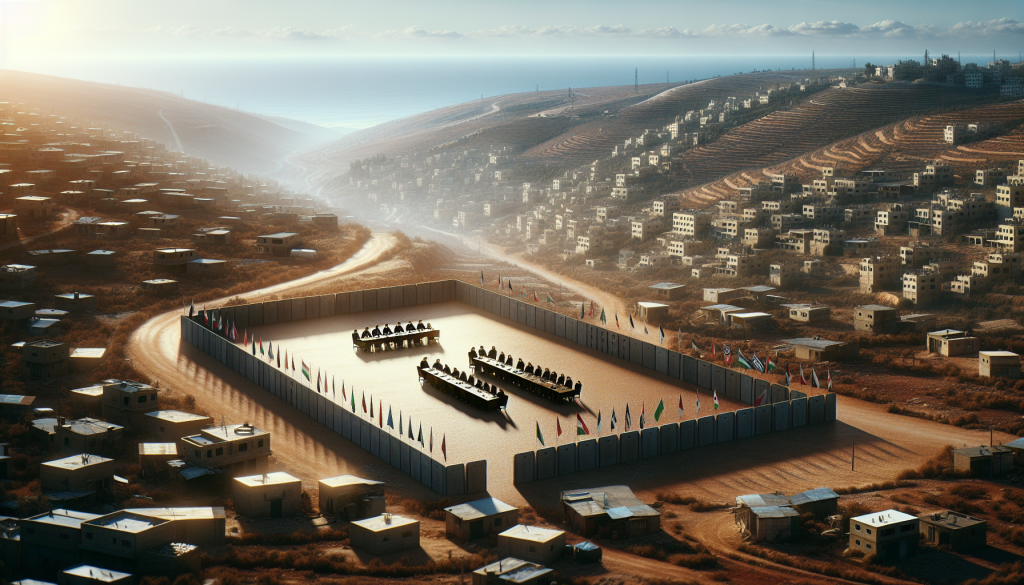
Since the signing of the Oslo Accords in the early 1990s, peace negotiations between Israel and the Palestinians have been marked by a paradoxical trend. While diplomatic efforts aimed to resolve the conflict, Israeli settlements in the occupied territories have expanded illegally. This expansion has resulted in the steady appropriation of Palestinian land, undermining the prospects for a viable Palestinian state.
In a significant development, each round of negotiations has often coincided with increased settlement activity, raising questions about the effectiveness and sincerity of the peace process. The settlements are widely considered illegal under international law, yet their growth continues unabated. This dynamic has contributed to deepening mistrust between the parties and has complicated efforts to reach a lasting agreement.
Meanwhile, the ongoing loss of Palestinian territory due to settlement construction has had profound social and political impacts. It has displaced Palestinian communities and restricted their access to resources and mobility. The persistent expansion challenges the feasibility of a two-state solution, making the resolution of the Israeli-Palestinian conflict increasingly elusive.