Professor Ahsan Iqbal, Deputy Chairman of the Planning Commission and Federal Minister for Planning, Development, and Special Initiatives, has stressed the need for an integrated One Health approach in Islamabad. He said the approach would protect public health, strengthen disease surveillance and reduce the financial losses caused by infectious disease outbreaks.
Professor Tariq Mahmood Ali of the Health Services Academy and other stakeholders briefed the minister on the progress, achievements and future plans of the One Health Project.
Progress and priorities of the One Health Project
The briefing noted that almost 60% of infectious diseases worldwide pass from animals to humans, making joint action on animal health, human health and the environment essential. In line with WHO directives, Pakistan has prioritised six diseases, including influenza, rabies and Crimean-Congo haemorrhagic fever.
The project was proposed in 2022, approved in 2024 and launched in 2025. Officials said it has completed 25 percent of its planned activities. A major milestone is the creation of South Asia’s first One Health curriculum by the Health Services Academy, which covers human health, livestock, slaughterhouse workers and community awareness.
Digital surveillance and food safety concerns
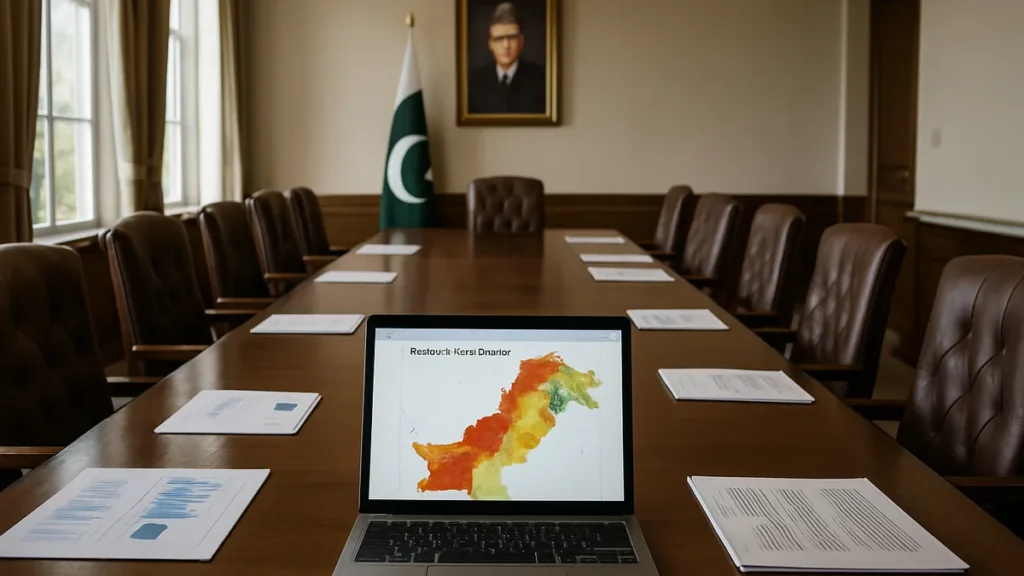
The minister was briefed on an integrated digital disease surveillance dashboard designed to report outbreaks quickly, with alerts reaching relevant authorities within minutes. The briefing said it was also informed that Pakistan recorded 962,575 dog-bite cases between January 2024 and March 2025.
Excessive antibiotic use in fish farming has led to the rejection of 45 percent of fish exports, according to the briefing. Iqbal called for tight quality control, constant monitoring and micro-level inspections modelled on international best practices in food safety.
Steering committee and proposed research centre
Iqbal approved a proposal for a joint Steering Committee to improve coordination among human health, veterinary and environmental organisations. He also backed the creation of a One Health Center of Excellence at the Health Services Academy to support long-term research, outbreak preparedness and institutional capacity.
The briefing also highlighted economic benefits of up to $30 billion and a possible 35 percent reduction in healthcare expenditure from the approach. The minister approved the proposed course of action in principle and instructed the Health Services Academy to prepare and send a formal letter outlining the next steps.